







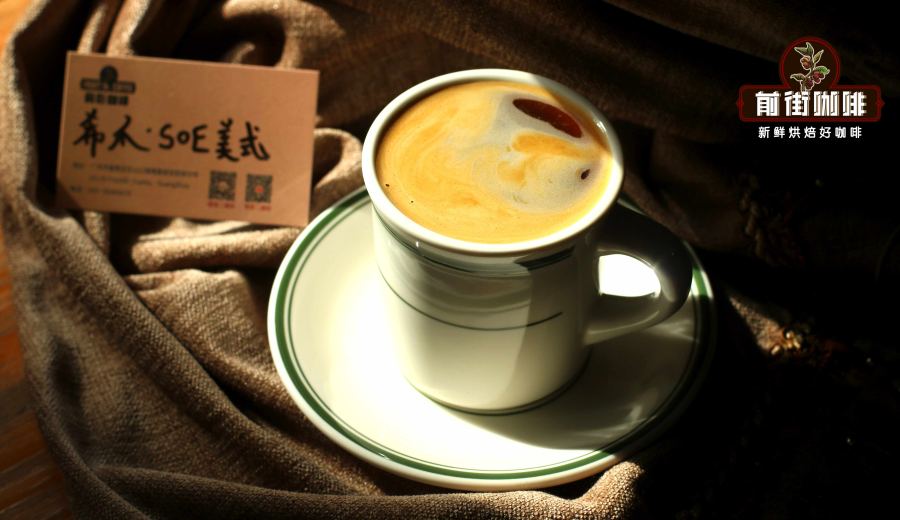
Introduction:With the rise of the specialty coffee trend, more and more consumers are beginning to pay attention to the unique flavors of single-origin espresso beans (SOE). Compared to traditional blends, SOEs better showcase regional characteristics, but the high-temperature, high-pressure extraction method also places higher demands on bean quality and roast level. This article delves into the key points of selecting SOEs and provides a detailed introduction to four popular SOE espresso beans with distinct flavor profiles, ranging from natural-process Huagu to Golden Mandheling, helping readers make the best choice based on taste preferences and brewing methods.
Today’s coffee market is diverse, with supporters for every taste from acidic and sweet to bitter and strong, and different brewing methods correspond to different bean selection strategies. Pour over coffee favors single-origin beans to highlight regional terroir characteristics; whereas traditional espresso has mostly relied on blends to achieve a rich and balanced flavor. However, in recent years, more and more coffee shops have started offering single-origin espresso (SOE), allowing espresso to also showcase distinct regional personalities.
SOE stands for Single Origin Espresso, referring to espresso made from coffee beans of a single origin. These beans are not only suitable for drinking on their own but can also serve as the base for Americanos, milk-based coffees, and even creative coffee drinks. However, due to the high temperature, high pressure, and extremely fine grind conditions of espresso machines, which amplify the bean’s characteristics, the roast level and freshness of the beans are crucial when selecting an SOE.
In the past, many people’s first impression of coffee was its strong bitterness, but today’s coffee world is vastly different, with a variety of flavors ranging from acidic and sweet to bitter and strong, and names and methods have also become more diverse. Generally speaking, pour over coffee prefers single-origin beans because this allows the unique flavor characteristics of the region to be fully expressed; whereas traditional espresso mostly uses blends, aiming to create a rich and balanced flavor. However, now many coffee shops are starting to offer what is called SOE coffee to allow espresso to also present regional characteristics.
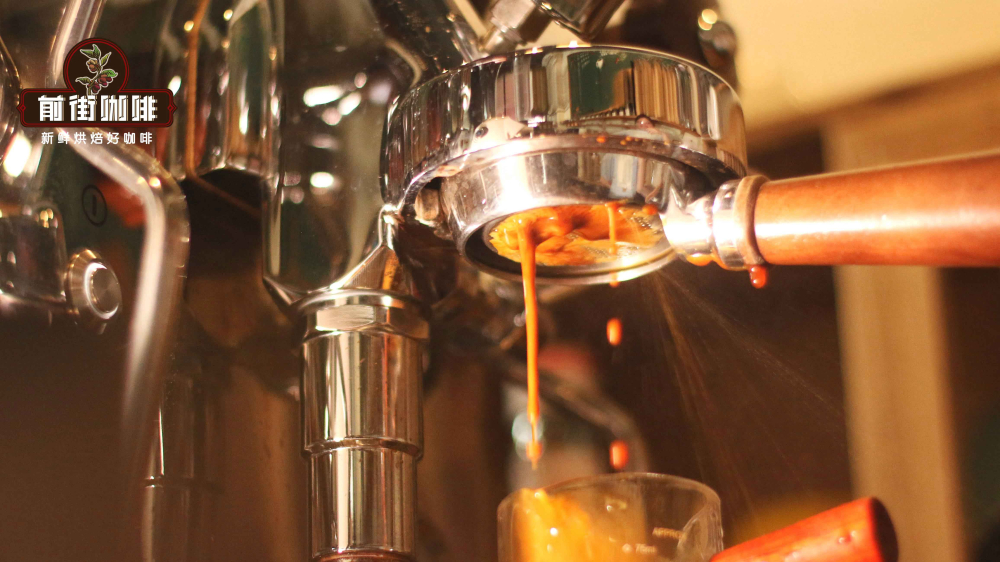
The charm of SOE lies in its ability to preserve the unique flavors of a single origin and serve as the foundation for various types of espresso. Whether it’s a straightforward espresso, an Americano with hot water added, or a latte or cappuccino with milk, or even creative coffee drinks, SOE can showcase its distinctive personality. However, due to the challenging extraction conditions of espresso machines—including high temperature, high pressure, and extremely fine grind—these factors can amplify both the strengths and weaknesses of the beans, especially acidity, bitterness, and astringency.
If a single-origin coffee bean that is roasted too lightly is used to make an SOE, the short heating time, harder bean texture, and poor water absorption often result in insufficient extraction of coffee oils (crema), and the flavor may become overly sour or astringent, with aromas that are not concentrated enough. Such coffee, when milk or other ingredients are added, often ends up tasting thin and weak. Therefore, it is recommended to choose single-origin coffee beans with a medium roast or darker, which can ensure that the espresso has good flavor expression and moderate crema, while also avoiding issues with insufficient aroma.
In addition, the freshness of the coffee beans is also one of the key factors affecting the performance of an SOE. Generally speaking, coffee beans that are more than 50 days post-roast have noticeably declined in aroma and flavor, so it is recommended to choose beans with a more recent roast date to ensure the best extraction results and flavor expression.
Below are four popular SOE espresso beans with distinct flavor profiles, carefully selected for readers. Each has its own unique roast level and flavor profile, allowing readers to choose based on personal taste preferences:
1. Medium Roast — Single-Origin Specialty Coffee Bean
This natural-process Huagu bean is renowned for its rich cream and strawberry aroma. After medium roasting, it exhibits layers of red berries, subtle floral notes, and orange, with a refreshing taste and elegant aroma, making it very suitable for making Americanos or flat whites. It is ideal for coffee lovers who enjoy bright fruity acidity and fruit-forward flavor profiles.
2. Medium Roast — Single-Origin Specialty Coffee Bean
This coffee bean is carefully sun-dried, using only coffee cherries with high maturity, slowly dried in the sun until the moisture content reaches 12%. After medium roasting, it presents bright berry and orange acidity with sweetness, along with a moderate caramel note, suitable for those who enjoy fruity flavors, and is recommended to be enjoyed as an Americano or latte.
3. Medium-Dark Roast — Single-Origin Specialty Coffee Bean
This coffee bean comes from a well-known estate in Brazil and is of the Yellow Bourbon variety. After medium-dark roasting, the SOE showcases rich flavors of roasted nuts, milk chocolate, butter, and caramel, with a full and smooth mouthfeel, making it ideal for use with a moka pot or espresso machine. It is the perfect choice for drinkers who enjoy a rich mouthfeel and sweet flavors.
4. Dark Roast — Single-Origin Specialty Coffee Bean
As a top-grade variety among Mandheling, this coffee bean undergoes three hand-pickings and one machine sorting, resulting in an extremely low defect rate. After medium-dark roasting, this SOE presents complex flavors of spices, herbs, sandalwood, and caramel, with a full-bodied mouthfeel and a lingering aftertaste that features a distinct dark chocolate aroma. It is very suitable for making espresso or milk-based coffee, and is recommended for coffee lovers who enjoy dark roast flavors.
The above content is compiled by CoffeeHunters, a coffee news website.


