







Introduction:Single-Origin Espresso (SOE) has gained increasing popularity in recent years. Using single-origin beans to make espresso not only highlights regional characteristics but also allows you to experience more nuanced and layered coffee flavors. This article will take you deeper into the definition and roasting essentials of SOE, and recommend three representative SOE espresso beans: the Huaku Natural with its pronounced floral and fruity notes, the Queen Estate Yellow Bourbon with its rich creamy and nutty aroma, and the PWN Golden Mandheling full of spices and caramel traits — helping you find your own SOE flavor direction.
Single-Origin Espresso (SOE, or Single Origin Espresso), as the name suggests, is espresso made from coffee beans sourced from a single origin. Unlike common blends composed of beans from multiple regions, SOE showcases a more concentrated and recognizable flavor profile through the unique terroir and variety characteristics of a single origin, making it an important entry point for many coffee enthusiasts to explore the essence of coffee.
When selecting SOE coffee beans, the primary considerations are the quality of the beans and the processing method. Specialty coffee is generally defined as being based on high-quality green beans, paired with appropriate roasting and extraction techniques, to fully present the unique characteristics of that origin. As a form of coffee where single-origin beans are used directly to make espresso, SOE demands stricter control over the ratio of defective beans and the degree of roasting; otherwise, it can easily mask the distinctive flavor attributes the origin should offer.
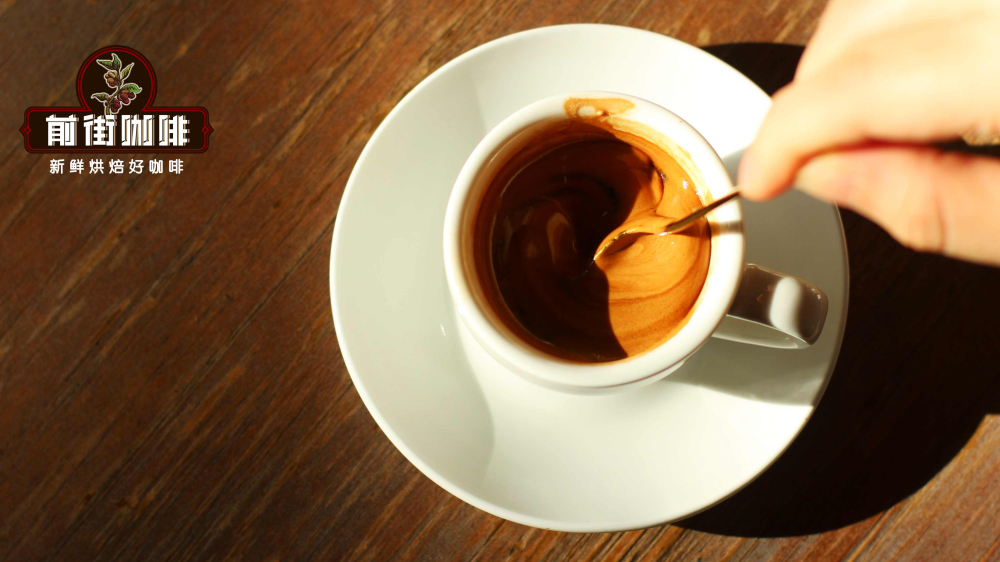
Generally speaking, medium-dark roasting is the most ideal choice for making SOE. Overly dark roasting, while capable of delivering intense bitter-sweet aromas, can easily erase the bean’s original delicate fruity notes and regional characteristics. Conversely, overly light roasting may lead to difficult extraction, less cohesive flavors, and overly sharp acidity. Therefore, choosing a medium-dark to slightly dark-medium roast often achieves a balance between sweet-acid harmony and aroma expression, while also yielding a finer and more velvety espresso crema.
For coffee enthusiasts who are new to SOE, starting with flavor profiles is a simpler approach. Below are three common and highly representative flavor types, each with its unique extraction performance and recommended usage scenarios.
1. Floral & Berry-Toned SOE Recommendation: A Well-Known Coffee Brand’s Huaku Natural
The Huaku Natural from the Guji-Hambela region of Ethiopia is a star bean variety that has repeatedly achieved excellent results in international competitions in recent years. Grown at altitudes as high as 2,300 meters, it is a local landrace variety processed using the traditional natural (sun-dried) method, allowing the sugars in the fruit pulp to fully convert and impart the coffee with a rich sweetness and fruity aroma.
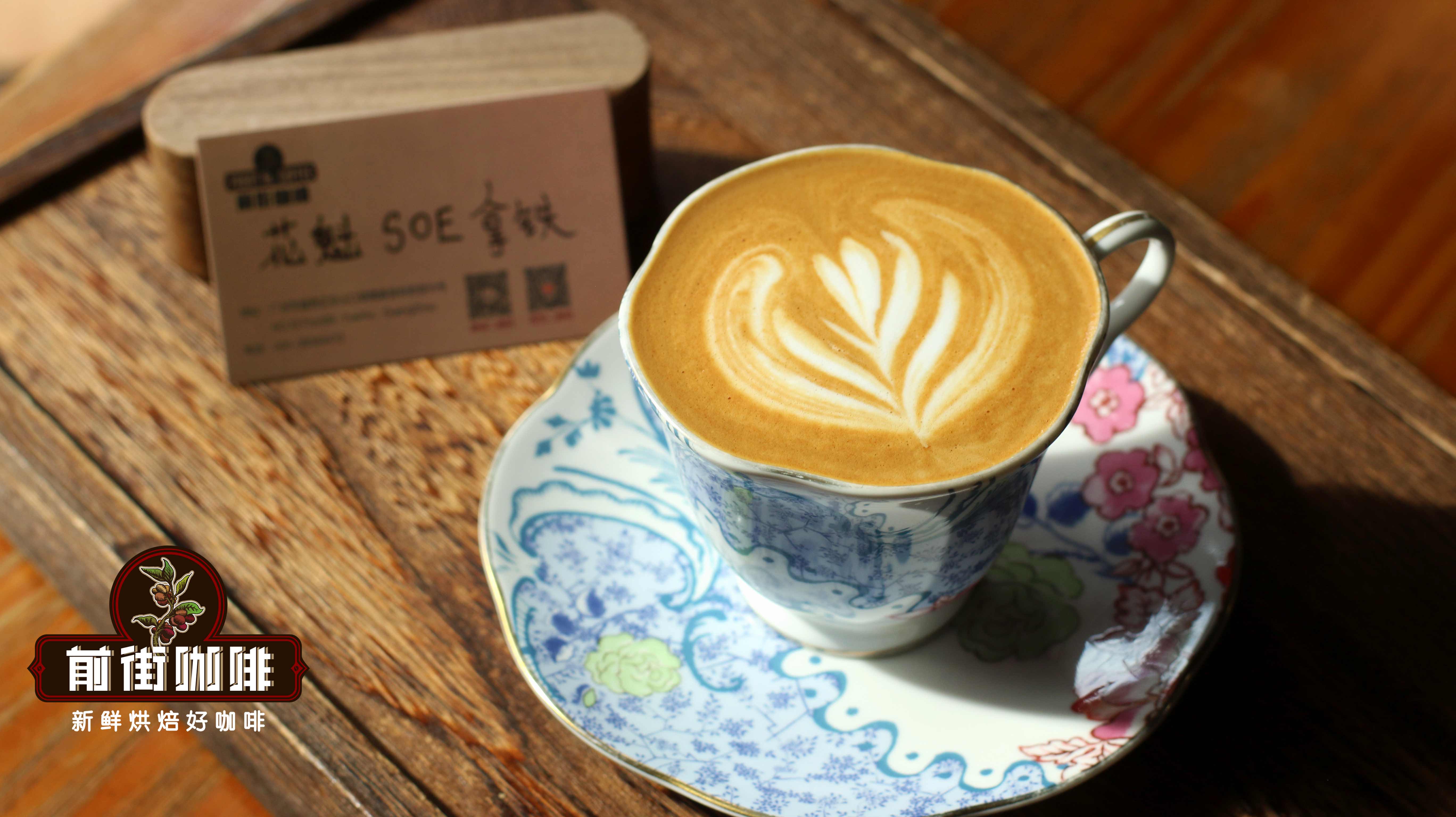
Roasted to a medium level, this bean can exhibit layers of tropical fruits, strawberries, citrus, and delicate floral notes. It is suitable for making SOE Americano or SOE Latte. During extraction, it is recommended to use water at 92–94°C with a brew ratio of approximately 1:2, to highlight its bright berry-like acidity and soft, lingering finish. Occasionally, you may even detect subtle rose-like floral notes, making it highly suitable for those who enjoy fresh and fruity flavors.
2. Creamy & Nutty-Flavored SOE Recommendation: A Well-Known Coffee Brand’s Queen Estate Yellow Bourbon
The Queen Estate Yellow Bourbon from the Mogiana region of Brazil differs significantly from mass-produced commercial beans. This estate focuses on producing small-batch specialty lots. The Yellow Bourbon variety it grows, combined with carefully controlled sun-drying processing, creates a wealth of creamy, peanut, and nutty aromas.
This coffee, when medium-dark roasted, can bring out a pronounced sugarcane sweetness and a thick, creamy texture, with a finish that weaves together notes of nuts and chocolate. When making SOE, it is recommended to use water at 90–93°C, and the brew ratio can be slightly adjusted to 1:2.5 to extend its richness. It is especially suitable for consumers who enjoy milk coffee or straight espresso, allowing them to fully appreciate the unique sweetness and stable performance characteristic of Brazilian beans.
3. Spice & Caramel-Flavored SOE Recommendation: A Well-Known Coffee Brand’s PWN Golden Mandheling
The PWN Golden Mandheling from the Gayo region of Sumatra is renowned for its rigorous screening process and low defect rate. After multiple rounds of manual and mechanical sorting, every bean is ensured to meet high standards, and when paired with the traditional wet-hulled processing method, it delivers a rich foundation of spices and herbs.
When medium-dark roasted and extracted as SOE, the Golden Mandheling clearly showcases a complex flavor profile of spices, sandalwood, caramel, and nuts, with a finish marked by distinct dark chocolate notes. The mouthfeel is full-bodied and the structure is solid. It is recommended to extract with water at 91–93°C and a brew ratio of 1:2 or 1:2.2, which better balances its intense characteristics with sweetness. It is an excellent choice for winter warmers or those who prefer bold flavors.
In summary, choosing a suitable SOE coffee bean not only enhances the enjoyment of daily brewing but also allows for a deeper appreciation of the terroir characteristics of various origins. Whether you are just starting with espresso or are already an experienced coffee enthusiast, you can begin with these three flavor types and gradually explore your own SOE coffee world.
The above content is compiled by CoffeeHunters, a coffee news website.


