







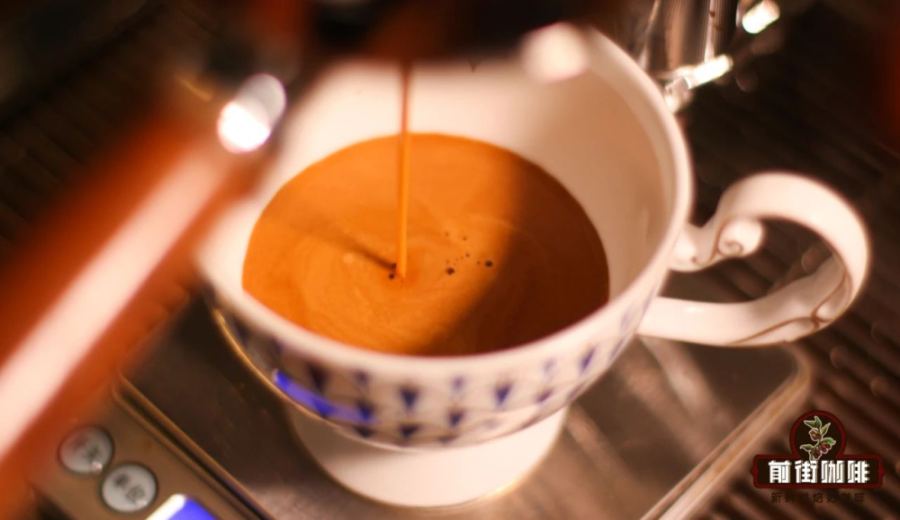
Introduction:Struggling to make a café-quality Yirgacheffe SOE latte at home? Many assume that simply brewing single-origin beans in an espresso machine will yield a delicious SOE, only to encounter issues like spraying, excessive sourness, or imbalanced flavors. The key lies in roast level and proper extraction parameters. This guide will walk you through everything from bean selection and roast suitability to grind size, brew ratio, extraction time, and milk frothing techniques—showing you how to craft a classic espresso latte with Yirgacheffe SOE that bursts with lemon cookie-like aromas and offers a rich, smooth mouthfeel.
Many coffee enthusiasts, when first trying their hand at making SOE (single-origin espresso), often just toss their usual single-origin beans into the espresso machine, only to end up with violent spraying or an espresso so sour it’s hard to swallow. These problems often stem from a misunderstanding of "roast level"—not all single-origin beans are suited for high-pressure espresso extraction. If you want to brew café-grade SOE lattes at home, choosing the right roast profile for espresso is crucial.
Among the many single-origin beans, Yirgacheffe has long been a flavor benchmark for many baristas and coffee lovers. Originally part of Ethiopia’s Sidamo region, it was later designated as a separate region due to its uniquely distinctive profile. Yirgacheffe coffee is renowned for its bright acidity, delicate floral and fruity notes, and especially its refreshing citrus character. Most farms in this region sit at high altitudes around 2,000 meters, where the cool climate and small-scale family farming contribute to its unique terroir expression.
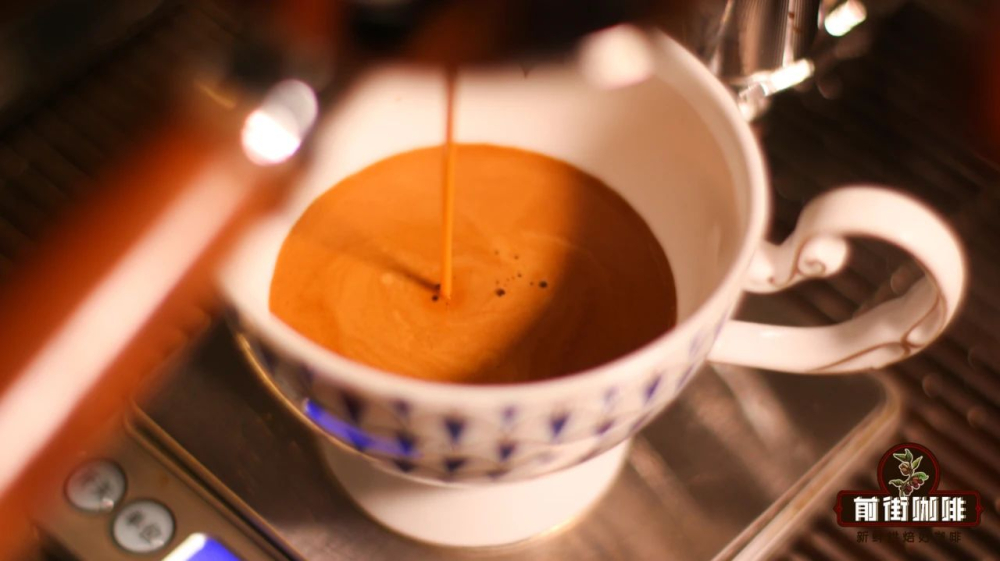
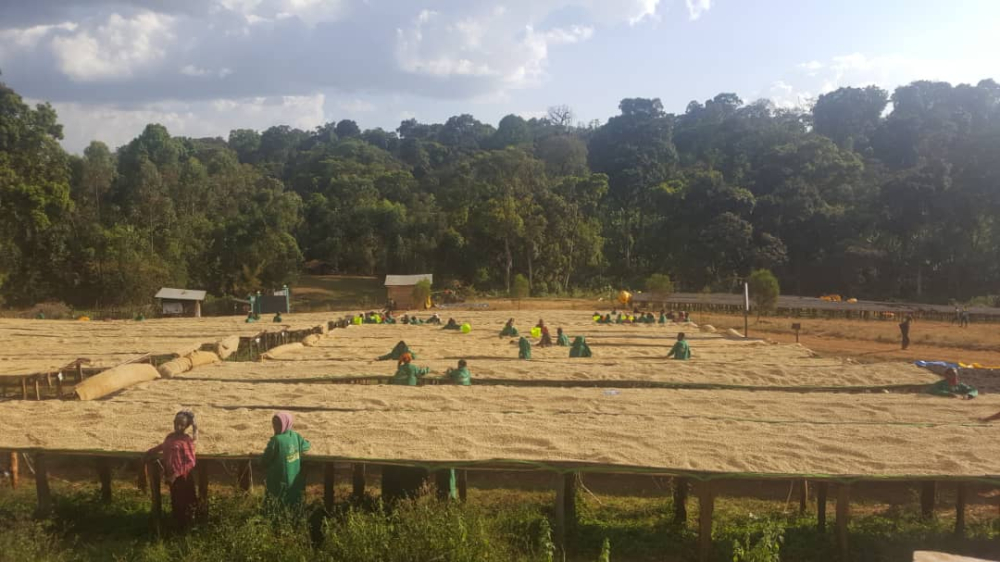
The Yirgacheffe region also includes several well-known micro-regions, such as Kochere, Guji, and Gedeb, each producing beans with distinct profiles. The coffees here are mainly processed via washed or natural (sun-dried) methods, which yield notably different flavor profiles. Washed Yirgacheffe showcases the region’s classic citrus, floral, and light acidity, while natural Yirgacheffe offers richer sweetness and fermentation notes, resulting in a more full-bodied cup. If you’re aiming to create a lemon cookie-flavored SOE latte, naturally processed Yirgacheffe is usually the better choice.
For this test, we used naturally processed Yirgacheffe (Konga Red Cherry) as the base, sharing the full process—from bean selection and grinding to extraction and milk integration—so you can replicate a café-quality SOE latte at home. Roasted to a profile ideal for espresso, these beans not only highlight clear lemon, honey, and gentle caramel notes but also blend beautifully with milk, creating a rich, velvety texture reminiscent of lemon cookies.
In terms of equipment, if you’re using a commercial machine like the Lelit Bianca—with its pressure regulation feature (up to 11 bar)—you can achieve more precise control over extraction. However, a standard home machine with stable 9-bar extraction pressure, paired with a quality espresso grinder, can also get the job done. Never overlook the importance of the grinder: stable and consistent grind fineness is key to even extraction and flavor development.
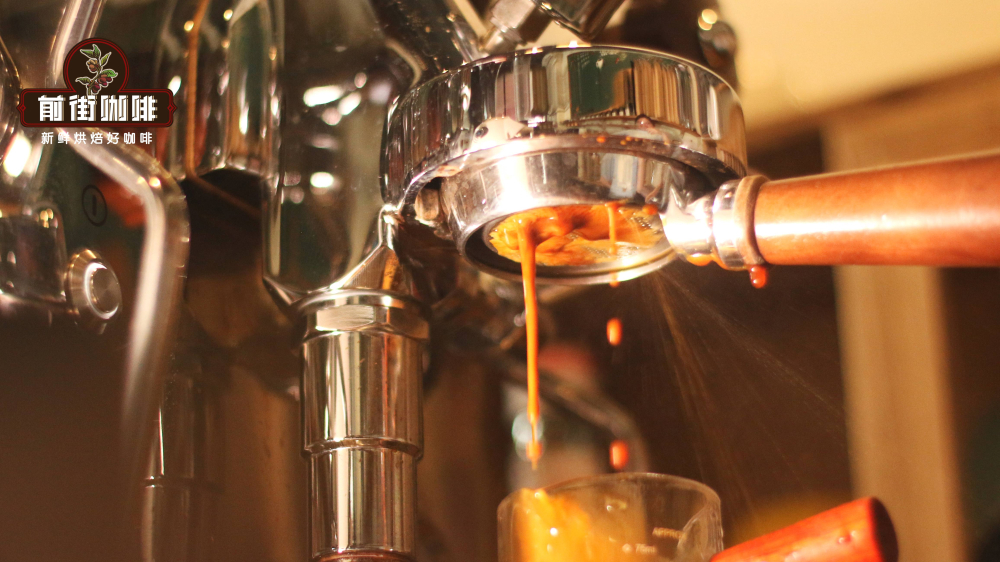
Below are the actual extraction parameters for this SOE Yirgacheffe latte, suitable for a standard double basket (approximately 18–20 grams capacity):
Coffee Beans:Ethiopia · Natural Konga
Coffee Dose:20 grams
Brewed Coffee Yield:40 grams
Brew Ratio:1:2
Extraction Time:26–33 seconds
Grind Setting:Galileo 2.0 (approximately medium-fine, similar to the texture of fine sugar)
It’s recommended to use a double basket. When tamping, ensure the puck is evenly compacted, as this helps stabilize flow rate and extraction pressure. First, add the 20 grams of ground coffee to the basket, then gently tap or use a distribution tool to level the grounds. Next, use a tamper to apply even, downward pressure—aim for 30–40 pounds—to ensure uniform puck density. After tamping, run a little water through the group head to rinse out any leftover coffee grounds and preheat the brew path. Then securely attach the portafilter and start extraction.
Monitor the extraction: when the scale shows 40 grams of coffee has been brewed and the time falls within 26–33 seconds, stop the shot. If the extraction is too short (under 20 seconds), the flavor tends to be thin and lack complexity; if it exceeds 35 seconds, you risk over-extraction, resulting in burnt bitterness and woody off-notes. The ideal extraction time and flow rate achieve a perfect balance of acidity, sweetness, and body.
To make an SOE hot latte, aim for a 1:6 coffee-to-milk ratio. Pour the freshly extracted 40 grams of espresso into a preheated cup, then steam 240 grams of milk using the steam wand to a temperature between 50–65°C, creating a fine, velvety microfoam. The key is the depth and angle of the steam wand insertion—position it slightly beneath the milk surface to create a whirlpool for even heating and frothing.
Finally, pour the steamed milk slowly into the espresso. We recommend using the “center pour” method with a slight latte art motion to ensure proper integration. The finished Yirgacheffe SOE latte boasts bright lemony acidity and subtle honey sweetness, along with a rich caramel and cookie-like roasted finish. It’s smooth, layered, and warms you up with every sip.
Whether you’re a beginner or an experienced coffee enthusiast, mastering the logic behind SOE bean selection and extraction parameters will allow you to easily replicate café-quality results at home with your espresso machine. Remember, a great-tasting SOE latte starts with choosing the right roast level and beans suited for espresso extraction.
The above content is compiled by CoffeeHunters, a coffee news website.


