







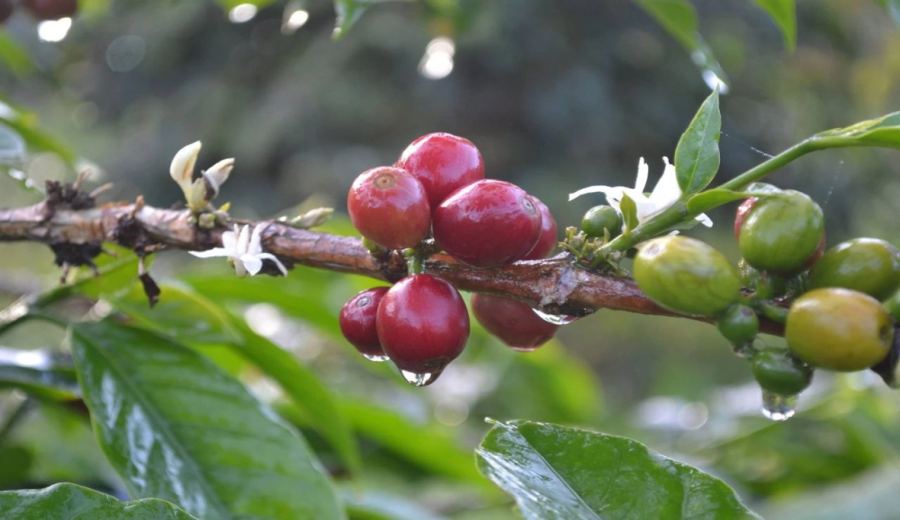
Introduction:Sulawesi Toraja coffee stands out among Indonesia’s many bold, low-acid coffees with its bright acidity and clear layered profile. This article delves into the historical background of the Toraja people, the terroir of the growing region, three renowned estates, and the semi-washed processing method that shapes its flavor. It also offers professional roasting recommendations and practical pour-over parameters to help you fully experience the unique charm of this rare specialty bean.
Indonesian coffee is traditionally known for its intense herbal aromas, spicy notes, and full-bodied mouthfeel, typically with low acidity. However, Toraja coffee from Sulawesi presents a completely different personality—vibrant and lively acidity paired with elegantly layered high notes that are truly refreshing. Toraja refers not only to an ethnic group skilled in coffee cultivation in the central highlands of Sulawesi but has also become synonymous with the region’s specialty coffee. Annual production here is only about 1,000 metric tons, and due to rugged terrain and limited labor, yield is roughly 300 kilograms per hectare. The semi-washed processing method imparts a rich caramel sweetness, along with a hint of restrained herbal notes and delicate floral tones.
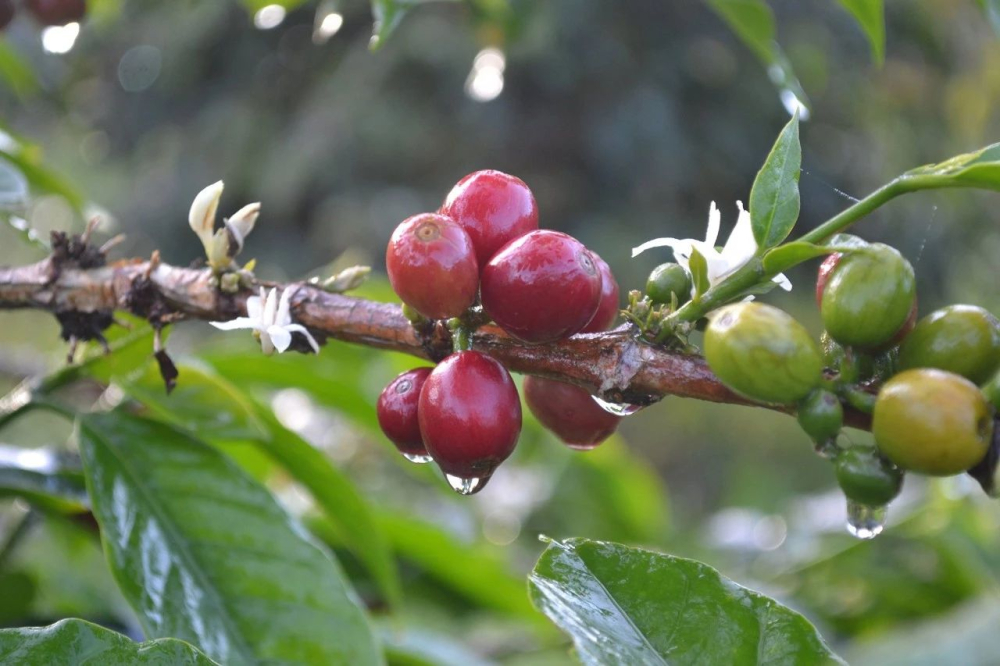
Sulawesi Island, formerly known as Celebes, is one of the oldest islands in the Indonesian archipelago, with some exposed rock formations dating back over a million years. The island’s coffee-growing regions are primarily located on iron-rich yellow-red lateritic soils, often underlain by multiple layers of clay, providing a unique environment for coffee plants. Among these, the Toraja region in the high-altitude mountains of South Sulawesi is the island’s most famous specialty coffee producing area.
The term “Toraja” refers neither to a mere geographical location nor a coffee variety, but to an indigenous ethnic group residing in the mountainous central region of Sulawesi. They mainly live in the TANAH TORAJA area and possess unique cultural practices and customs, such as traditional boat-shaped houses and hanging coffins. Legend has it that the ancestors of the Toraja people may have been foreign conquerors who assimilated or displaced the native inhabitants during their rule of the island. Later, facing pressure from Muslim groups, they gradually migrated to the inland highlands. Known for their resilience and emphasis on defense, their villages are often built in strategically elevated and rugged areas to guard against external threats.
Toraja coffee is an extremely rare specialty-grade bean, mainly grown in the rugged slopes of the central and southwestern regions at elevations of around 1,200 meters, with very limited annual output. Due to the treacherous terrain and poor transportation, both harvesting and cultivation face numerous challenges, with average yields of only 300 kilograms per hectare per year. Most of the coffee is processed using the semi-washed method: after picking, farmers first remove the pulp with a hand-cranked depulper, then soak the mucilage-covered beans in water basins before fermenting them in plastic bags. Finally, the beans are dried with their parchment layer until the moisture content reaches 11–13%. This process helps bring out the beans’ rich caramel aroma and well-balanced acidity and sweetness.
It’s worth mentioning that while a significant amount of Robusta is also grown in the Toraja region, it is the Arabica specialty beans branded as “Toraja” that have truly put the area on the map. These coffees offer a flavor profile distinctly different from Sumatra’s Mandheling—bright acidity, clear layers, and a rich yet gentle caramel sweetness, with more subdued herbal and spice notes and occasional hints of floral aroma. Moreover, Toraja coffee is so prized that it even surpasses the often lauded Golden Mandheling in desirability.
Within the region, three major estates play a pivotal role in the production and quality of Toraja coffee: Pt Kapal Api with 2,000 hectares of coffee plantations, CSR with 1,100 hectares, and Toarco Jaya Estate managed by Japan’s Key Coffee, covering 700 hectares. These estates are not only large in scale but have also accumulated extensive experience in cultivation and processing techniques, serving as important guarantees for the quality of Toraja coffee.
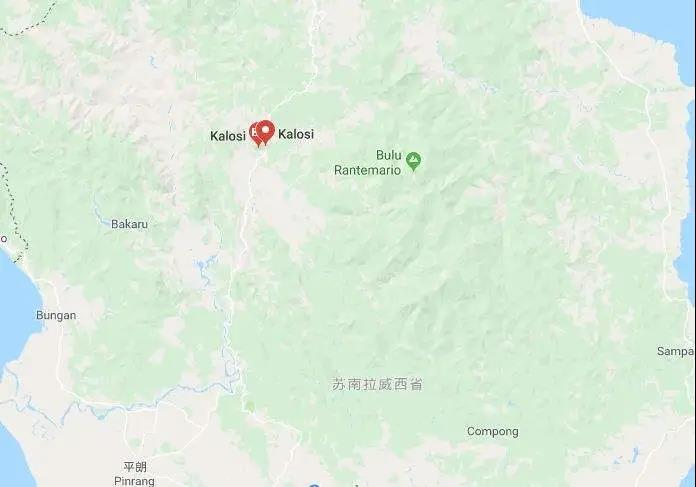
Given that the growing area is located in a highly inaccessible highland mountainous region, most coffee beans undergo initial processing by farmers manually removing the pulp, followed by soaking and fermentation, then sealing in plastic bags for further fermentation, and finally drying with parchment in the sun. Once the moisture content reaches the desired level, the beans are transported down to the Kalosi area, where they are sold in bulk to intermediaries or further processed. As a result, Kalosi has become a key distribution hub for Toraja coffee, with some markets even referring to these specialty beans simply as “Kalosi coffee.”
From a roasting perspective, Toraja green beans are mostly dark green in appearance, with flavor characteristics that exhibit low acidity and a full body. However, unlike traditional Sumatran coffees, their fruitiness is softer and more lingering. Roasters recommend medium roasting for this type of coffee, which helps preserve its bright acidity while allowing the caramel sweetness and fine layers to fully develop, resulting in a mild yet layered drinking experience.
For brewing suggestions, you can use a V60 #01 filter cone, with 15 grams of coffee grounds and a 1:15 coffee-to-water ratio, using a medium-fine grind (approximately 80% passing through a Chinese standard No. 20 sieve). A specific three-stage extraction method is recommended: start with a 30-second bloom using 30 grams of water, then pour in a slow circular motion until reaching 125 grams for the first pour (around 1 minute), followed by pouring more water as the coffee bed begins to show, until reaching 225 grams and stopping (around 1 minute 50 seconds). Finally, remove the filter once the water level drops close to exposing the coffee bed again, with total brew time controlled between 2 minutes and 2 minutes 10 seconds. This parameter setup helps fully highlight the layered profile and unique aroma of Toraja coffee, making it an excellent choice for pour-over enthusiasts to try.
The above content is compiled by CoffeeHunters, a coffee news website.


