







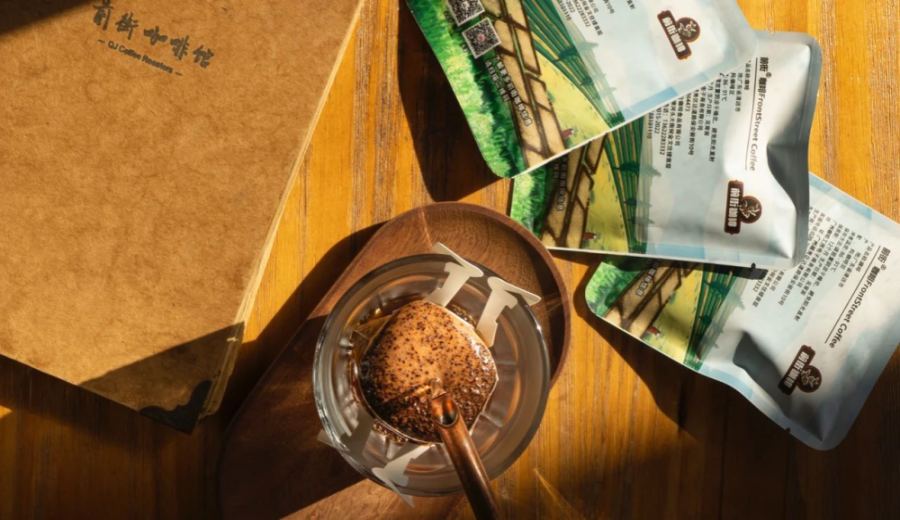
Introduction:Drip bags are an excellent choice for modern coffee lovers who want to enjoy the flavor of pour over coffee without complicated equipment. They’re not only healthier than instant coffee but also eliminate the technical barriers of professional pour over brewing. This article provides a detailed guide to the correct steps for brewing drip bag coffee, the optimal coffee-to-water ratio, water temperature control, and explains why drip bags are not recommended for reuse. It also takes an in-depth look at three classic single-origin drip bags—Brazil, Yirgacheffe, and Indonesian Mandheling—helping you choose the one that suits your taste and master the key techniques for brewing great flavor and proper storage.
In recent years, drip bag coffee has become a favorite among many coffee enthusiasts, especially suited for busy office life, travel, or leisure at home. Compared to traditional instant coffee, drip bags contain no trans fats and can deliver a coffee flavor much closer to pour over, while being far more convenient to use. However, many people still have questions about how to brew drip bag coffee, whether it can be reused, and how to store it to maintain optimal flavor. Below, we will fully explain the brewing process, optimal parameter settings, and recommend several drip bags with distinct flavor profiles, allowing you to get started easily and brew a satisfying cup of coffee.
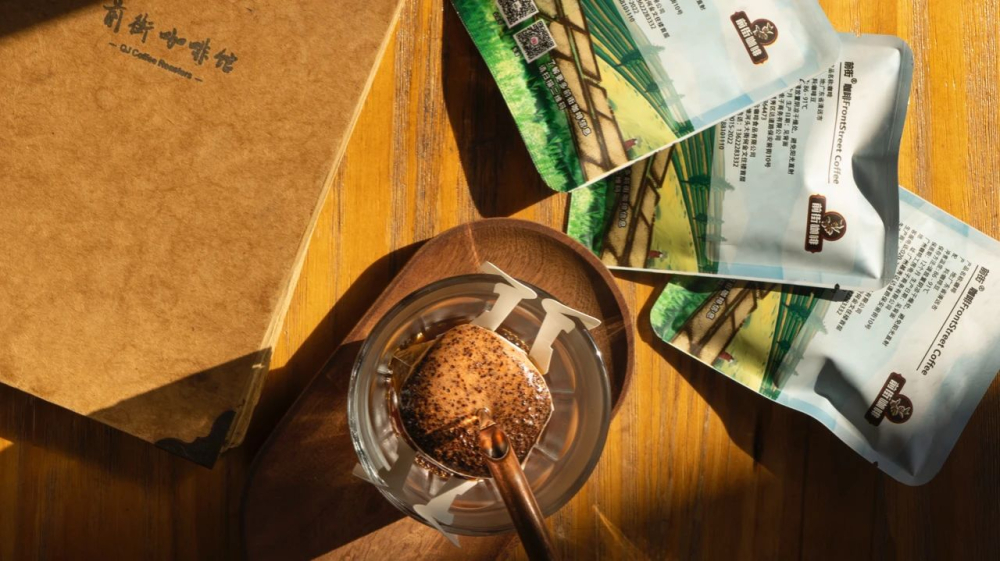
First of all, the steps for brewing drip bag coffee are actually very simple, but each step can affect the final flavor. The first step is to carefully open the drip bag packaging. Usually, the outer layer is a protective pouch, and the inner layer contains the actual coffee filter bag. Once opened, you’ll see two movable ear-shaped paper flaps on both sides. Tear along the “open” dashed line marked on the package, fold the flaps outward, and then hang them on the rim of a cup or a sharing pitcher.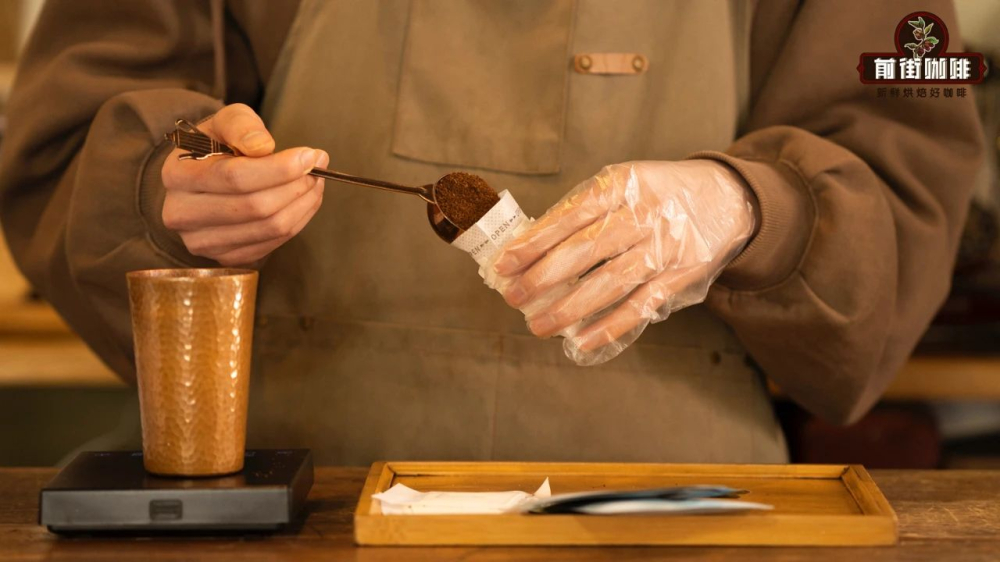
When preparing hot water, it is recommended to use water at a temperature between 88°C and 95°C, with an ideal temperature of around 90°C. The standard amount of water is 150–160 milliliters. Most drip bags contain 10 grams of coffee grounds, and it’s recommended to use a 1:15 coffee-to-water ratio, meaning a total water volume of about 150 milliliters. Of course, taste preferences vary—if you prefer a stronger flavor, you can reduce the water volume; if you prefer a lighter taste, you can slightly increase the water amount.
For actual brewing, it’s recommended to proceed in three stages. The first is the bloom stage: pour about 20 grams of hot water to ensure all the coffee grounds are evenly wetted, then let it bloom for 20 to 40 seconds. This step helps to awaken the aroma of the coffee grounds. Next comes the main extraction phase: in the second stage, pour 65 grams of hot water, bringing the cumulative water volume to 85 grams; in the third stage, pour another 65 grams, reaching a total of 150 grams. Although drip bag coffee is designed for convenience and speed without requiring too much equipment, if you want more precise control over extraction, you can use an electronic scale, timer, and pour over kettle to enhance consistency and flavor performance.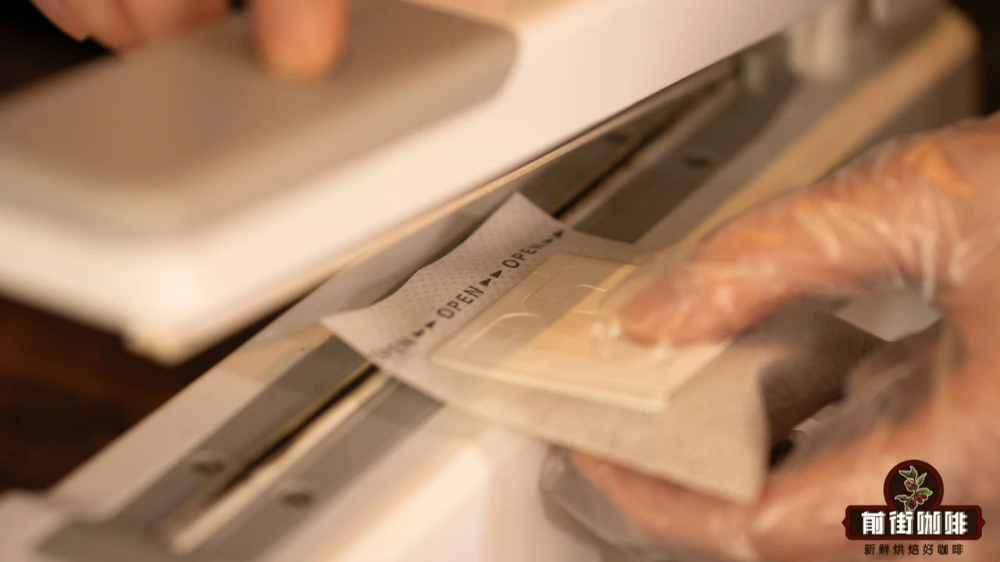
Once all the coffee liquid has dripped through, you can remove the drip bag. Please note:drip bags are only meant to be used once. After the first brew, most of the soluble flavor compounds in the coffee grounds have already been extracted, leaving mostly flavorless woody fibers. Continuing to steep or attempting a second brew not only fails to add flavor but may instead bring out undesirable woody or papery tastes, negatively affecting the overall mouthfeel.
The convenience of drip bag coffee makes it an ideal choice for the office, home, or travel. Without the need for complicated equipment, just hot water and a cup, you can enjoy a cup of distinctly flavored coffee at any time. In addition, since drip bags contain freshly ground coffee sealed in the bag, they preserve the original aroma of the beans. As long as you drink it within the appropriate time, you can experience quality close to that of pour over.
There is a wide variety of drip bag coffees on the market, with beans from different regions offering distinctly different flavor profiles. For example, Brazilian drip bags often use Red Bourbon beans from the Cerrado region, where the lower altitude results in flavors dominated by rich, nutty and cocoa notes, with prominent sweetness and gentle acidity—perfect for those who enjoy a full-bodied taste.
Yirgacheffe drip bags from Ethiopia showcase a completely different flavor character. This region is known for its high altitude and varied microclimates. The beans, processed using the washed method, exhibit bright, swirling citrus acidity, delicate floral notes, and a honey-like finish. With a clean and refreshing mouthfeel, it’s the top choice for coffee lovers who enjoy fruity acidity and fresh profiles.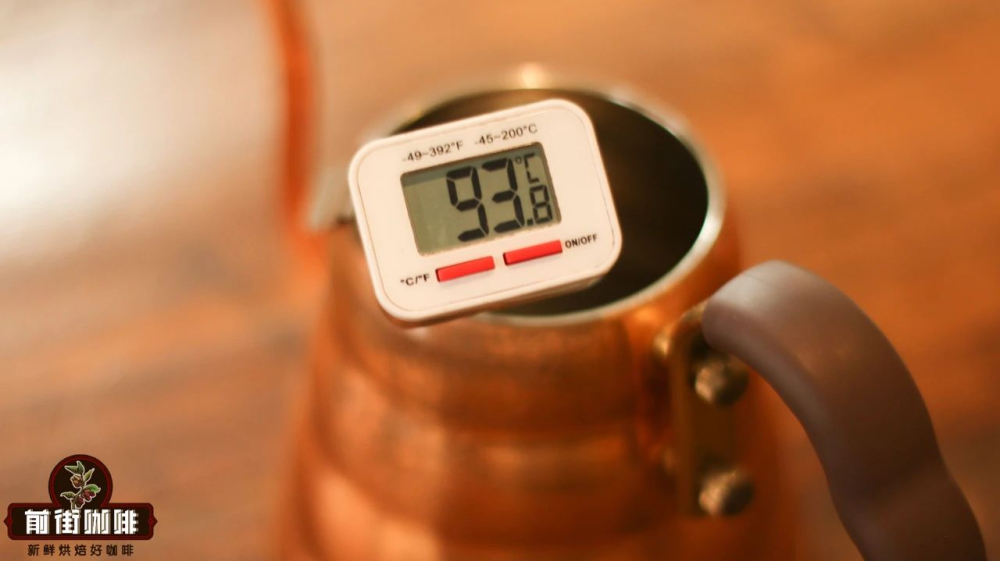
Additionally, Mandheling coffee from Sumatra, Indonesia, is renowned for its rich and bold character. This dark-roasted drip bag coffee exudes intense caramel and herbal aromas, with a thick mouthfeel and a sweet aftertaste that lingers noticeably—ideal for those who prefer strong flavors and dark roast styles.
Finally, a reminder: since coffee grounds release aroma and carbon dioxide more rapidly after grinding—both essential elements that contribute to coffee flavor—even for drip bags, it’s recommended to use them within15 days after grindingto enjoy the best flavor experience. Store them properly in a cool, dry place, away from direct sunlight and moisture, to help extend the shelf life of their flavor.
The above content is compiled by CoffeeHunters, a coffee news website.


