








Introduction:Yunnan, as China's primary coffee-producing region, accounts for over 90% of the country's total coffee output, yet has long been constrained by international futures prices, leaving coffee farmers with meager profits. This article delves into the variety characteristics, regional advantages, and flavor profiles of Yunnan's small-bean coffee, analyzes its price tier distribution and path toward premiumization, and reviews the challenges faced by the industry over the past thirty-plus years—including low-price crises and shrinking cultivation areas—while also outlining the rescue measures taken by the government, industry associations, and e-commerce platforms. This provides a comprehensive understanding of Yunnan coffee's current state and future potential.
Yunnan is the core production area for coffee beans in China, with over 90% of the nation's coffee originating from this land. However, for a long time, the price of local coffee beans has closely followed the fluctuations of the New York futures market, leaving coffee farmers with almost no pricing power. Especially against the backdrop of weak demand in the international coffee market, green bean prices have continued to decline, even falling below the production cost of 15 yuan per kilogram, severely impacting farmers' earnings.
Many severely loss-making growers have had no choice but to cut down their coffee trees, abandon farms they’ve managed for years, and seek other means of livelihood. Even those who persist in cultivation can hardly hide the helplessness and fatigue on their faces. According to statistics, Yunnan Province’s coffee cultivation area in 2020 was approximately 1.497 million mu, nearly 20% less than the peak of 1.831 million mu in 2014 over the span of six years.

In earlier years, due to inconsistent quality, Yunnan coffee was often used to make instant coffee, which over time created a low-end impression among consumers. But in recent years, the situation has improved, with Yunnan coffee gradually making its mark in the specialty coffee sector, becoming an unignorable dark horse in the market.
As China’s most important coffee-producing region, Yunnan’s coffee output accounts for over 99% of the national total. However, for a long time, the pricing of local coffee has almost entirely depended on international market conditions, leaving farmers with little room for negotiation. As international coffee prices have fallen, green bean prices have even dropped below the cost line, putting many growers under survival pressure.
Pu'er, Yunnan’s largest coffee-producing region, contributes more than half of the province’s total output, with over 300,000 people engaged in coffee cultivation. Despite such massive production capacity, it remains difficult to sell coffee beans at desirable prices. To reverse this passive situation, some young professionals have begun exploring the path of specialty coffee, hoping to achieve better market returns through improved quality.
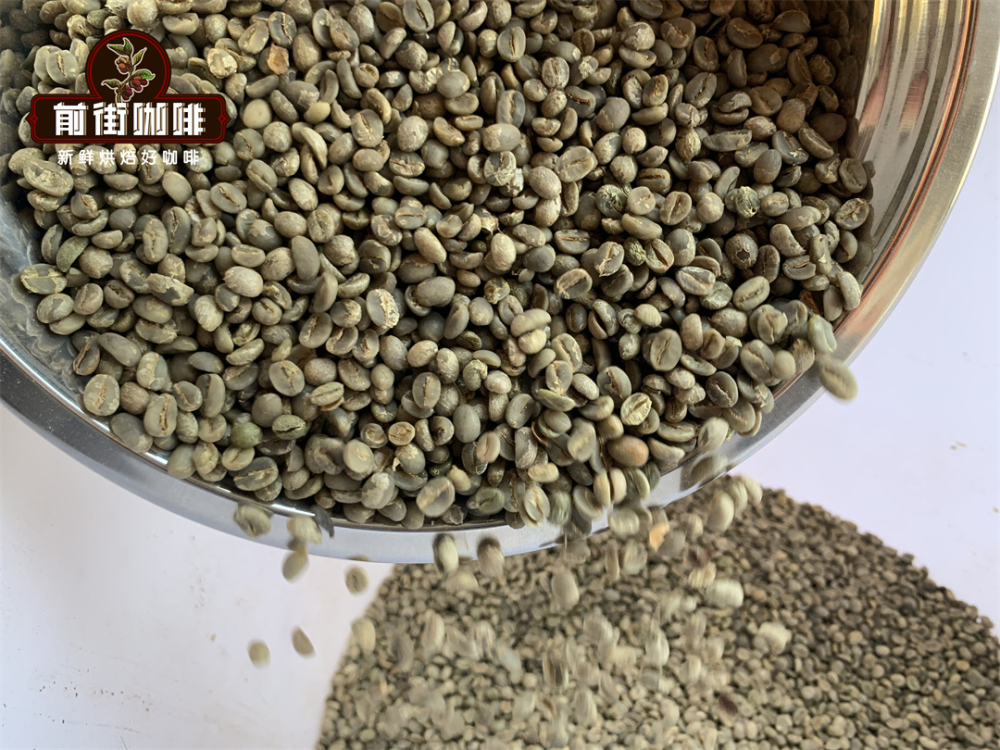
The rise of specialty coffee has brought new opportunities for Yunnan coffee. With growing consumer demand for high-quality coffee, Yunnan beans are gradually gaining market recognition. In the provincial capital of Kunming, nearly a thousand new cafes have opened in recent years, most of which focus on the domestic market and actively promote the concept of specialty coffee. In terms of online sales, the sales volume of Yunnan coffee on the Tmall platform reached 245 million yuan in 2020, a year-on-year increase of 135%, and the number of local coffee brands also grew by 80%.
However, the Yunnan coffee industry still faces numerous challenges. According to incomplete statistics from the Yunnan Coffee Industry Association, by 2020, the province’s coffee cultivation area had sharply declined from its peak of over 1.8 million mu to 1.38 million mu. For the 2020–2021 season, Yunnan’s coffee production is estimated at only 80,000–90,000 tons, nearly halved compared to the historical peak of 150,000 tons. Some farmers have pointed out in complaint letters that if purchase prices remain depressed, this year may be their last harvest.
To save the Yunnan coffee industry, all parties are taking active steps. In January 2021, the Yunnan Coffee Industry Association communicated with e-commerce platforms such as Alibaba, both expressing willingness to jointly promote industry development. In addition to Alibaba’s commitment to increased support, platforms like JD.com and Pinduoduo are also actively getting involved, seeking new sales channels for Yunnan coffee.
The Yunnan Provincial Government also places high importance on the development of the coffee industry. Since 2013, due to persistently low international purchase prices, the average purchase price of Yunnan coffee (first and second grades) has never exceeded 15 yuan per kilogram, which is below the farmers’ planting costs. Against this backdrop, multiple departments—including the Department of Agriculture and Rural Affairs, the Department of Finance, and the Department of Science and Technology—allocate hundreds of millions of yuan annually to build national-level modern coffee industrial parks, promote the "one county, one industry" development model, and support processing technology innovation. Since the 19th National Congress of the Communist Party of China, Yunnan Province has also included coffee in the "Green Food Brand" and among the province’s eight major plateau-characteristic industries, providing strong support for industry development.
Meanwhile, international coffee companies purchase beans at prices lower than the international futures rate and set their own purchasing standards, depriving growers of their rightful profits while still claiming to practice "fair trade" and contribute to "international poverty alleviation." In reality, compared to traditional coffee-producing regions in Central and South America or Africa, the fairness of this approach is highly questionable.
It is estimated that over the past thirty years, Yunnan coffee has lost billions of yuan due to low purchase prices. Compared to coffee of similar quality from other regions, Yunnan coffee sells for about 3,000 yuan less per ton. Behind this figure lies the hard work and reluctant sacrifice of countless coffee farmers.
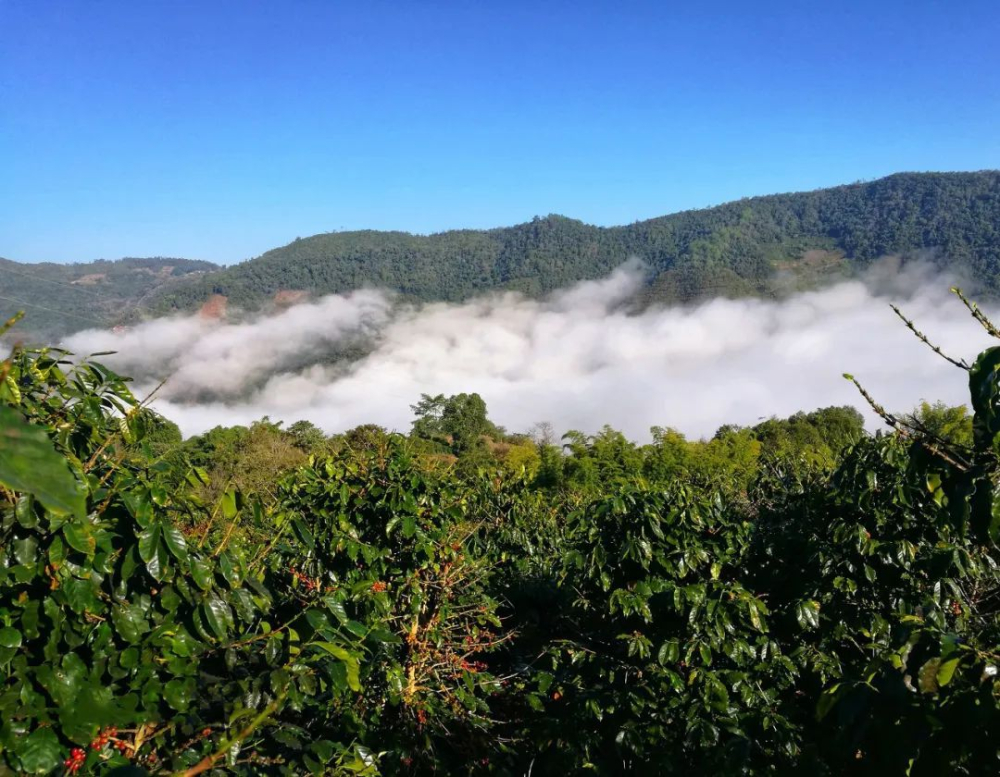
The history of coffee cultivation in Yunnan dates back to 1892, when a French missionary planted the first coffee tree in the Zhukula area. This act laid the foundation for Yunnan later becoming an important coffee-producing region in China. In the 1930s, overseas Chinese leader Liang Jinshan introduced coffee to the Pupiao and Luoming areas, a tradition that continued after the founding of the People’s Republic of China. Starting in 1952, under the guidance of experts from the Baoshan Tropical Economic Crops Research Institute, large-scale coffee cultivation began in areas like Ludian, with nearly 60 years of history to date.
The main varieties of Yunnan coffee include Typica and Bourbon, two classic Arabica varieties renowned for their excellent flavor characteristics. In 1991, Yunnan introduced the Catimor series from Kenya, a variety with strong disease resistance and high yield, which gradually became one of the main cultivated varieties. Due to the similar morphology and habits of Typica, Bourbon, and Catimor, local farmers often adopt mixed-cultivation methods.
Yunnan’s geographical environment provides ideal conditions for coffee cultivation. The western and southern parts of the province lie between 15 degrees north latitude and the Tropic of Cancer, with elevations mostly between 1,000 and 2,000 meters. The terrain is mainly mountainous and sloped, the soil is fertile, sunlight is abundant, rainfall is plentiful, and there is a large diurnal temperature variation. These factors collectively create the unique flavor of Yunnan’s small-bean coffee—rich yet not bitter, aromatic but not harsh, with a subtle fruity note.
Yunnan coffee is primarily distributed in regions such as Lincang, Baoshan, Pu'er, and Dehong. These areas, with their low latitude, high altitude, and large temperature variations, are ideal for cultivating Arabica (small-bean) coffee. With the growing popularity of the specialty coffee concept, Yunnan coffee is gradually shedding its low-end image and moving toward a direction of high quality and high value.
The above content is compiled by CoffeeHunters, a coffee news website.


