







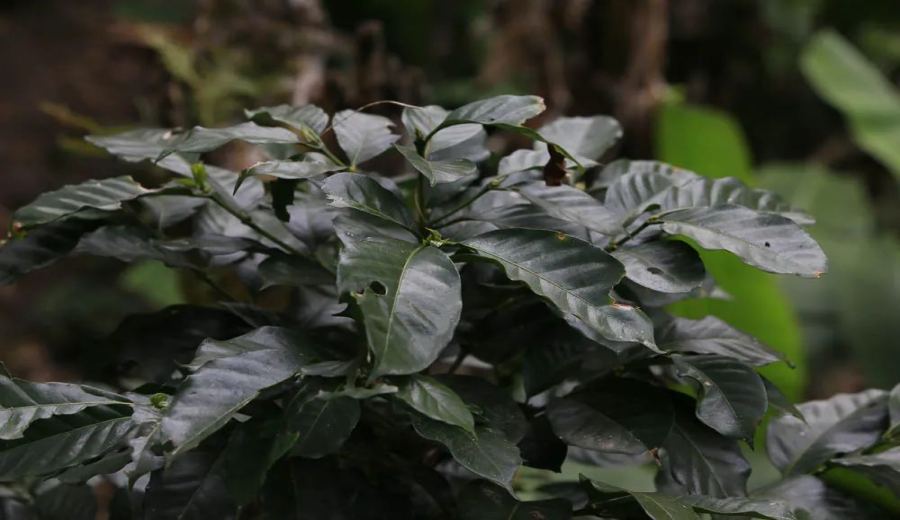
Introduction:Catimor is a high-yield, disease-resistant coffee variety resulting from the crossbreeding of Caturra and Timor, the latter containing Robusta genes. It is widely cultivated in Central and South America as well as regions like Yunnan. This article delves into the origin of the variety, its plant characteristics, yield advantages, and flavor controversies. Taking high-altitude Catimor from Baoshan’s Longjiang Basin in Yunnan as an example, it explores suitable roasting methods and brewing performance to help readers fully understand this controversial yet practical coffee variety.
Catimor is a coffee variety bred from the cross between Caturra and Timor, first successfully developed in 1959 at Portugal’s CIFC (Coffee Leaf Rust Research Centre). The primary breeding goal of this variety was to combine disease resistance with high yield, specifically targeting the then rampant coffee leaf rust disease. Starting from the 1970s and 1980s, Catimor rapidly gained popularity in countries like Brazil and gradually became a dominant planting variety in many coffee-growing regions across Central and South America.
The reason Catimor exhibits strong disease resistance is mainly due to the inheritance of Robusta genes from the Timor variety, giving it a high level of resistance — even near-immunity or very high resistance — to coffee leaf rust (CLR) and coffee berry disease (CBD). Additionally, Catimor plants have a compact, columnar form with short internodes and multiple branches, making them not only suitable for high-density planting but also favorable for mechanical harvesting and management. Compared to traditional varieties, Catimor shows less fluctuation in yield between bumper and off years, demonstrating overall very stable productivity.
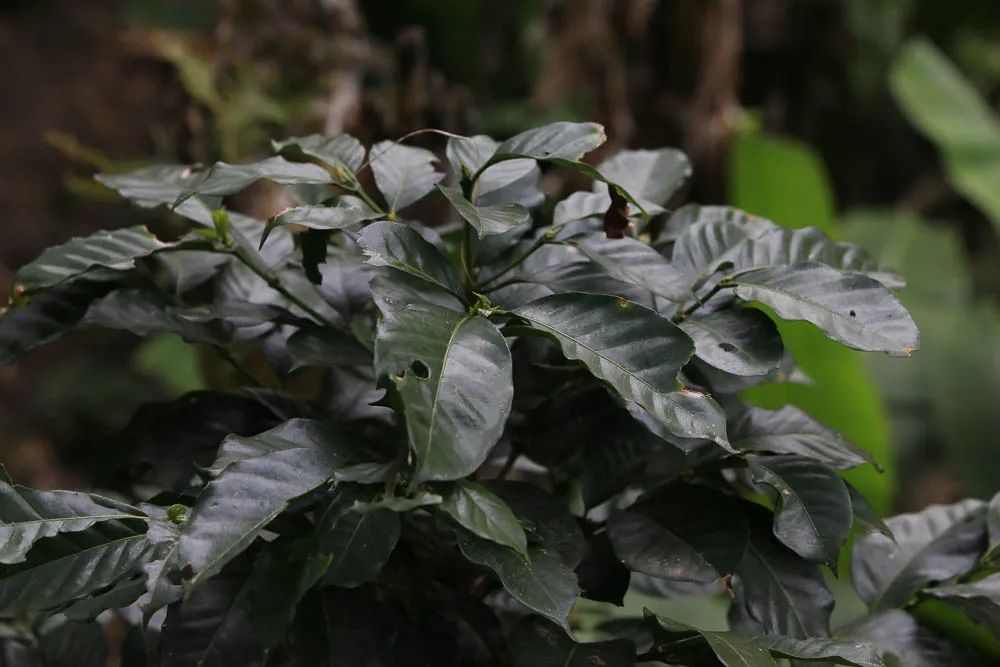
However, the introduction of Robusta genes has also brought notable flavor controversies to Catimor. Especially in planting environments above 1200 meters altitude, Catimor’s cupping profile often lags behind traditional Arabica varieties such as Bourbon, Caturra, or Catuai. This is because high altitude typically allows coffee cherries to mature slowly, accumulating more sugars and flavor compounds, whereas Catimor, even at high altitudes, generally underperforms in flavor compared to other pure Arabica varieties due to genetic factors. Furthermore, Catimor usually has higher chlorogenic acid content, an organic acid that while helpful for pest resistance, can easily lead to unpleasant bitterness and sharp acidity.
In terms of plant characteristics, Catimor exhibits strong growth vigor, with dark green leaves and bright lime-green young shoots at the top. The overall tree structure is compact and columnar, with dense branching and relatively short internodes. These traits allow each plant to produce more coffee cherries, which is a key reason for its significantly higher yield compared to most other varieties. Moreover, the shorter stature of Catimor trees not only makes harvesting easier but also facilitates increased yields per unit area through denser planting. Compared to traditional varieties that require more space and care, Catimor can accommodate more plants within the same area, thereby further boosting total output.
It is worth mentioning that currently about 99% of coffee production in Yunnan comes from the Catimor variety, so the commonly referred to “Yunnan small-grain coffee” in the market largely refers to Catimor produced in Yunnan. This variety not only adapts well to Yunnan’s diverse microclimates but has also become an economic pillar of the local coffee industry.
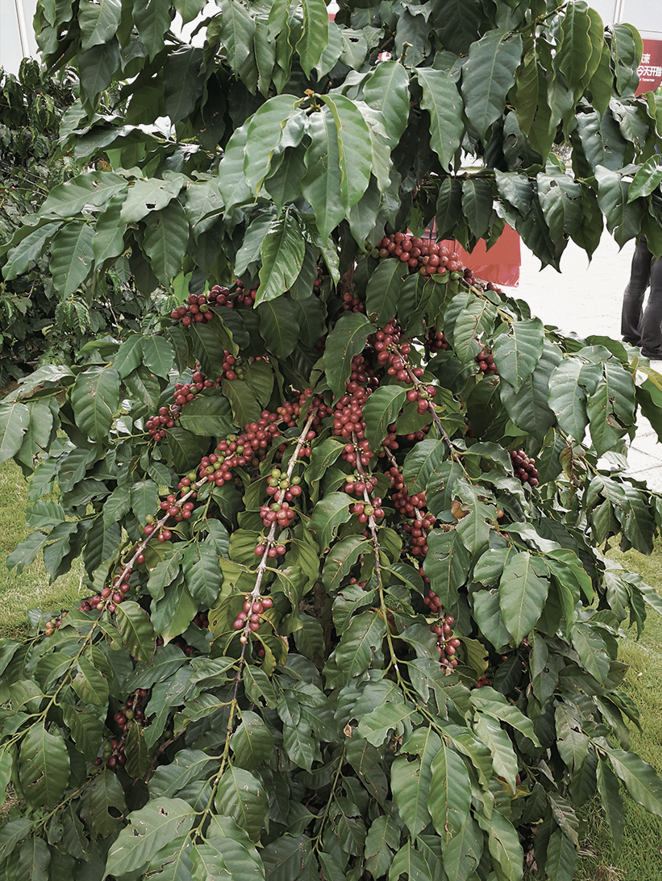
Nevertheless, Catimor’s flavor profile remains a focal point of industry debate. Supporters argue that given its yield and stable disease resistance, Catimor is already a highly practical choice. However, for consumers seeking specialty-grade flavors, Catimor often fails to meet high taste expectations. For instance, Costa Rica’s 1989 legislation banning the cultivation of Robusta, along with its resistance to the Catimor variety, stemmed from concerns about its potential impact on the country’s overall coffee quality image.
Even so, thanks to its stable yield and disease-resistant properties, Catimor maintains a dominant position in multiple producing regions, including Yunnan. Taking high-altitude Catimor from Baoshan’s Longjiang Basin in Yunnan as an example, its growing environment at higher elevations, coupled with advanced cultivation and processing techniques by some producers, results in relatively outstanding flavor profiles in this region’s Catimor, offering the potential to showcase richer layers of taste.
For home brewers interested in trying Yunnan Catimor, it is recommended to select suitable blends, such as those combining Yunnan small-grain beans with Brazilian red Bourbon, roasted to medium-dark levels to highlight caramel, hazelnut, and cocoa aromas. When paired with milk, it can bring out creamy and cookie-like flavors, making it an ideal base for everyday espresso drinks.
If you’re interested in roasting Yunnan small-grain Catimor yourself, here is a set of practical roasting reference parameters: Set the initial charge temperature to 190°C with a flame power of 120 and damper opening at 3; around 1 minute and 40 seconds, when the turning point is reached and the drum temperature drops to 145°C, adjust the damper to 4 while maintaining the same flame power; when the bean surface turns yellow and grassy notes disappear (around 166°C), it enters the drying phase; then, when the drum temperature reaches 188°C, reduce the flame power to 60 and adjust the damper to 5; approximately 8 minutes and 37 seconds in, when the bean surface shows clear wrinkles and black spots, and the coffee aroma replaces the bread-roasting smell, it marks the crucial pre-first crack stage — listen carefully for the first crack sound; first crack begins at the 9-minute mark, maintain the damper setting, and allow the beans to develop for an additional 3 minutes after first crack, finally dropping them at 198°C.
According to actual cupping results, Yunnan small-grain Catimor roasted with these parameters offers a smooth mouthfeel with a distinct Asian herbal character, soft yet mellow acidity, rich layers, and a finish that reveals notes of dark chocolate, honey, and cane sugar. Upon cooling, it showcases an appealing brown sugar flavor. Overall, it presents a friendly and distinctive option, ideal for everyday drinking or for those newly exploring Yunnan flavor profiles.
The above content is compiled by CoffeeHunters, a coffee news website.


