







Introduction:Have you noticed that Ethiopian coffee beans vary in size, and even within the same batch, there can be differences in roast color? This is actually due to the country's rich diversity of native coffee varieties and varied cultivation and processing methods. This article takes an in-depth look at Ethiopia’s coffee variety classifications, four major planting systems, as well as the three primary processing methods—natural, washed, and honey—helping you understand the unique value and flavor potential behind these so-called “imperfections.”
Many coffee enthusiasts, when tasting or purchasing beans from Africa, often notice a distinct phenomenon: compared to regions like Kenya, Ethiopian coffee beans tend to be more irregular in shape, vary more in size, and even show inconsistent roast colors. This is common whether you’re looking at beans from Yirgacheffe or Sidamo, and regardless of whether they are washed or naturally processed. What causes this “uneven” appearance? The key lies in Ethiopia’s astonishing genetic diversity, with nearly 2,000 coffee varieties, combined with its unique farming and centralized processing practices, resulting in each batch of beans having its own distinctive character.
Generally speaking, the green coffee beans we receive are covered by a layer of silver skin, rather than the more commonly seen parchment. To better understand this issue, we need to start with the basic structure of the coffee cherry. A coffee cherry is composed, from the outside in, of the outer skin, mesocarp, mucilage, parchment, silver skin, and finally the seed at the core. The parchment is what we commonly refer to as the “parchment layer.” After initial processing, coffee beans usually still retain their parchment covering—what we call “parchment beans.” Only after the destination of sale is confirmed are the outer layers further removed through hulling.
If you’re a fan of African coffee, you’ll definitely notice a clear trend: compared to Kenyan beans, Ethiopian coffee beans are less uniform in size, with noticeably lower consistency. Whether you’re drinking Yirgacheffe or Sidamo, and regardless of whether it’s washed or natural processing, you can sometimes clearly see significant differences in bean size and roast color within the same batch. The main reasons behind this can be attributed to two factors: an extremely rich diversity of native coffee varieties, and a relatively scattered yet centralized planting and processing model.
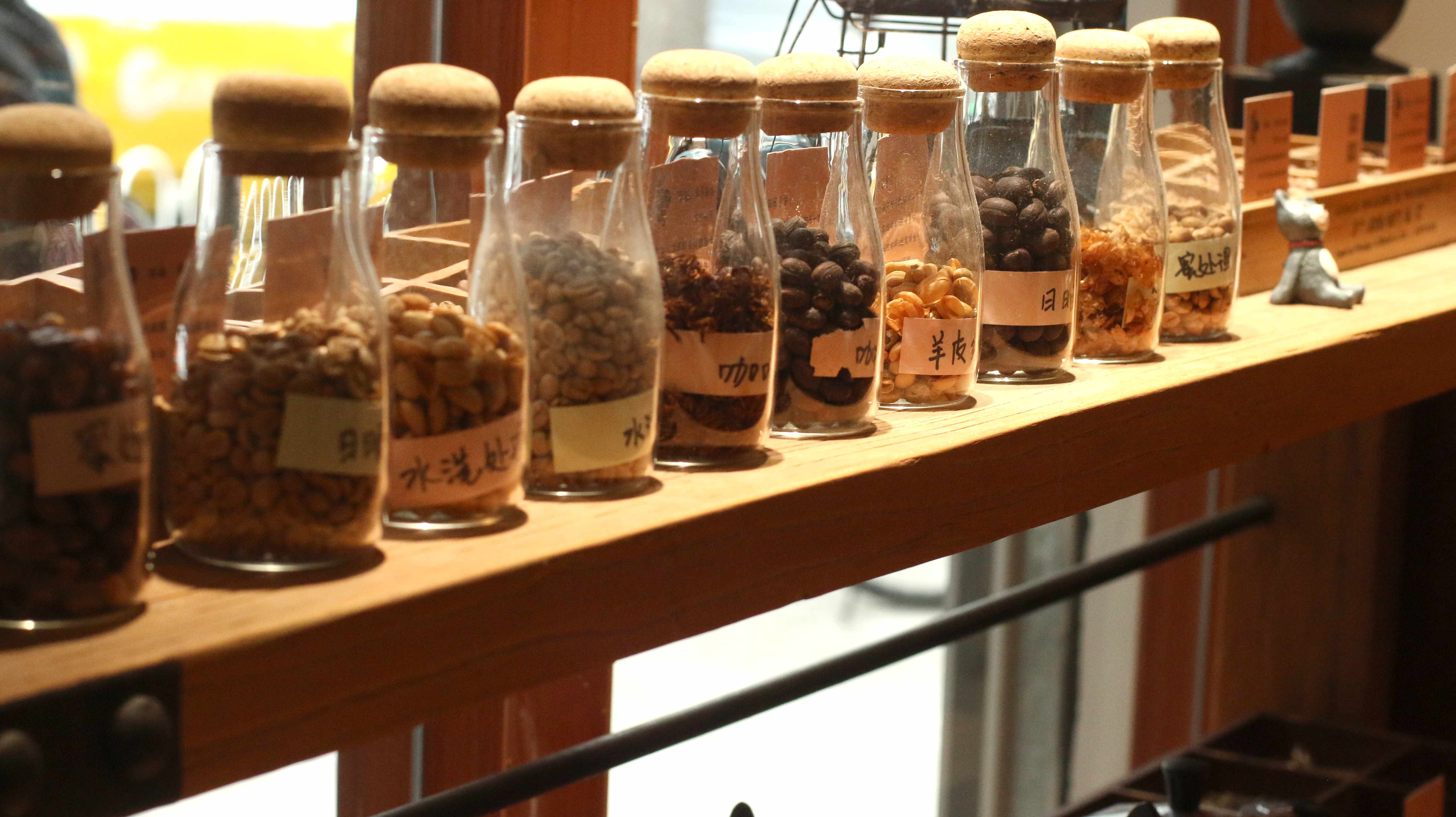
First, let’s get to know the planting and harvesting methods of Ethiopian coffee. Ethiopia is considered the birthplace of Arabica coffee, and whether you’ve tried them or not, almost all the varieties you’ve heard of originate from this land. According to statistics, the country has nearly 2,000 registered coffee varieties, including 1,927 native varieties and 128 introduced ones. Just by appearance, these varieties resemble a “botanical garden”—some beans are long and slender, others short and stout, some plump, others slim, showcasing great diversity.
Among the many varieties, long-bean coffee beans are distributed across all coffee-growing regions of the country, but are more commonly found in western areas such as Jimma, as well as around Limmu and Kaffa. It has been observed that these regions frequently yield long beans—for example, the renowned Kafa Forest promoted by a certain coffee brand contains many such beans, which often produce citrusy and honey-like flavors reminiscent of Geisha when brewed. In contrast, in well-known producing areas such as Sidama or Yirgacheffe, the proportion of long-bean varieties is relatively low.
Another common type is small-bean varieties, which tend to be more rounded in shape, significantly smaller in size, most falling between 14 and 15 mesh, and are the familiar “miniature” coffee beans. These varieties are widely planted in Sidama, Yirgacheffe, and the surrounding areas of Arsi and Guji. Products launched by a certain coffee brand, such as HuaKui, GuoDingDing Cooperative, and Hamashu, fall into this category of smaller-sized beans with concentrated flavors. It’s worth mentioning that samples from this brand have also discovered such small-bean varieties in coffee beans from Harrar and Jimma.
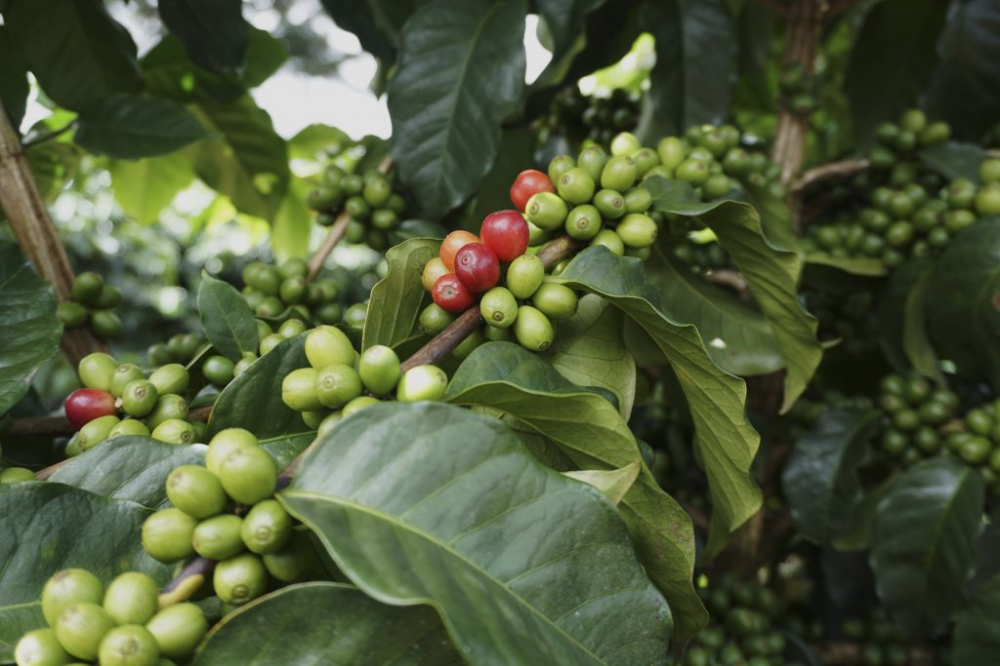
Beyond the inherent diversity of the varieties, Ethiopia’s coffee farming models further add to the mixed appearance of the beans. The country’s coffee cultivation can generally be divided into the following four types:
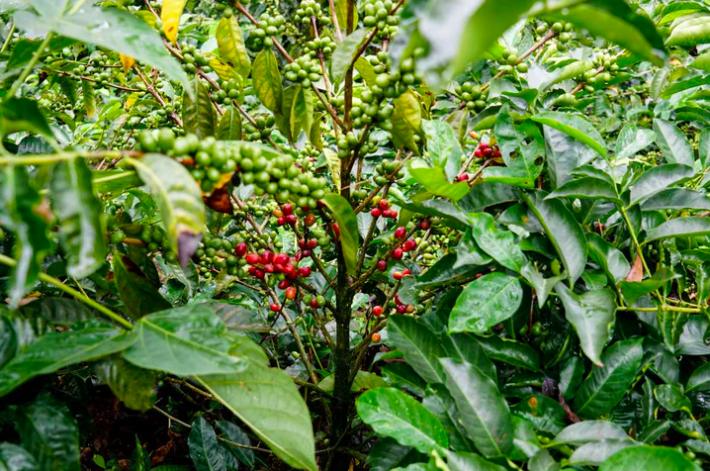
- Forest Coffee (approx. 8–10%): Coffee trees grow in untouched virgin forests, coexisting with other trees, and farmers harvest them periodically.
- Semi-Forest Coffee (approx. 30–35%): Located between forests and human settlements, where although the coffee trees still grow naturally, farmers manage them to some extent and intercrop with other economic crops.
- Garden Coffee (approx. 50–55%): Planted near farmers' residences, mostly for household use, and is the most common form.
- Plantation Coffee (approx. 5–6%): Operated by large companies or private growers, featuring relatively complete processing facilities and production management capabilities.
In the well-known producing regions of Sidama and Yirgacheffe, most coffee is cultivated using the garden coffee model. That is, coffee farmers plant coffee trees near their homes, harvest them during the harvest season, and then send them to nearby processing facilities with water sources for unified processing, or they are collected by middlemen. Since most small-scale farmers cannot independently complete the entire process from planting, harvesting, to processing, beans of many different varieties are often sent to the same processing facility for mixed processing, and are eventually sent to auction markets for grading. This is why many Ethiopian beans are identified by the name of the processing facility or cooperative, and it’s also a key reason why a single batch may contain multiple varieties.

Next, let’s take a look at another key factor influencing the appearance of coffee beans—the primary processing method. The most common processing methods can be divided into three types: natural (dry), washed, and honey, each of which affects the final shape, color, and flavor of the beans.
[Natural Processing (Dry Processing / Natural Process)]
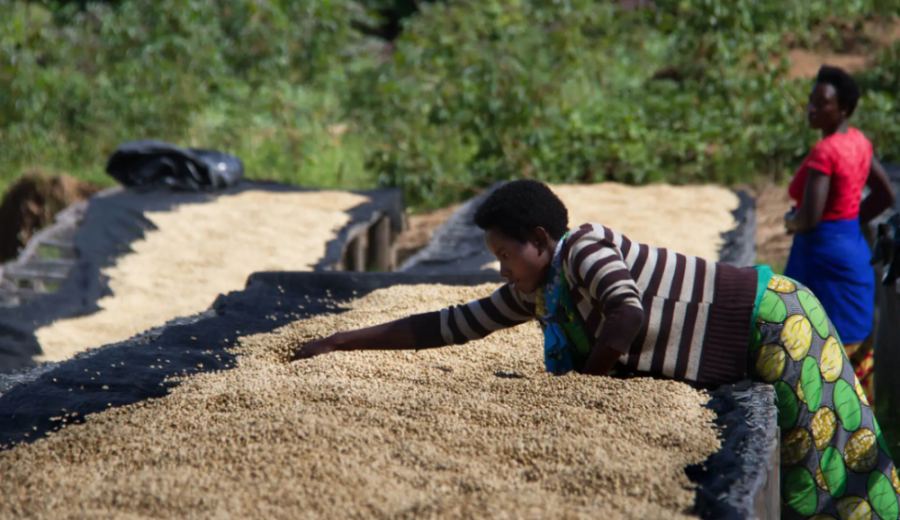
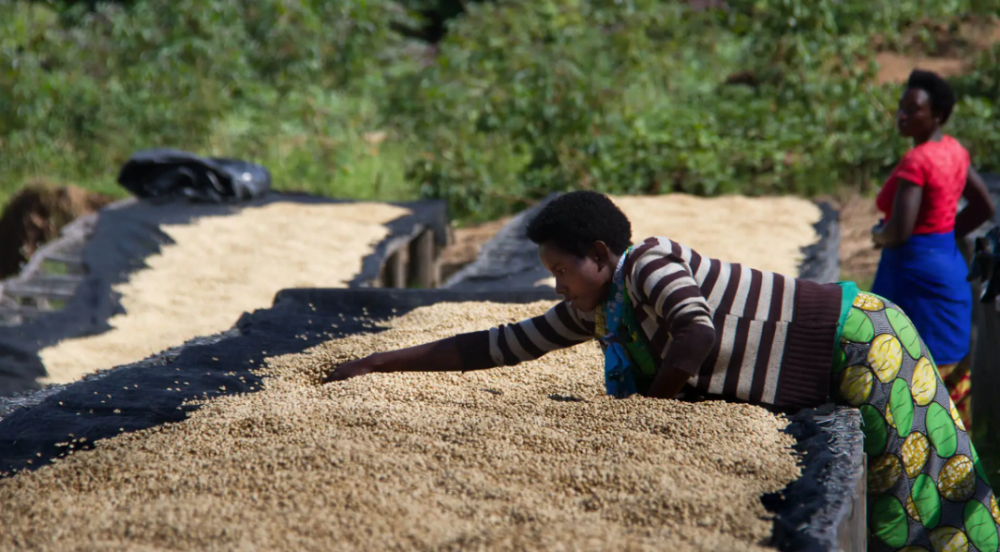
This is the most traditional and simplest processing method, typically involving spreading the whole coffee cherry, pulp and all, directly on large drying beds and allowing it to dry gradually under the sun. It needs to be turned daily to ensure even drying until the moisture content of the pulp and skin drops to about 12%. Afterwards, machines are used to remove the outer layers of the fruit. Natural processing is commonly found in drier climates, such as Brazil. Beans processed this way tend to have a rougher surface, and usually retain more silver skin, though the silver skin is less likely to remain on the bean surface during roasting.
Process: Sun drying → Pulping → Cleaning → Hulling → Grading → Packaging
Characteristics: Bold flavors, prominent sweetness, often with tropical fruit notes like blueberries and dried fruits.
Representative Products: A certain brand’s Geisha Village Red Label, a certain brand’s Geisha Village Gold Label, a certain brand’s Chaka, a certain brand’s Kafa Forest, a certain brand’s HuaKui
[Washed Processing (Washed Process / Wet Process)]
The washed method emphasizes clean and consistent flavor profiles. First, the coffee cherries undergo flotation to remove impurities, then the outer skin is removed. They are then soaked in water and fermented to remove the sticky mucilage layer. Fermentation time varies depending on ambient temperature, typically ranging from 8 to 48 hours, and must be closely monitored to avoid mold or spoilage. Once fermentation is complete, the mucilage becomes easier to remove, and can be cleaned off with light rubbing.
Process: Flotation → Pulping → Fermentation → Washing → Drying → Hulling → Grading → Packaging
Notes: Washed beans need to be quickly washed and dried to prevent quality degradation caused by secondary fermentation.
Characteristics: Smooth bean surface, less silver skin, clear and consistent flavors, with bright acidity.
Representative Products: A certain brand’s Yirgacheffe, a certain brand’s GuoDingDing
[Honey Processing (Pulped Natural / Honey Process)]
This method falls between natural and washed processing. It involves removing the skin and part of the mucilage, followed by washing and then drying the beans in the sun. Because some mucilage remains on the outer layer, the dried beans have a sticky surface.
Process: Flotation → Peeling → Washing → Sun Drying
Characteristics: Flavors are between washed and natural, with noticeable sweetness and a hint of unique fermentation complexity.
The above content is compiled by CoffeeHunters, a coffee news website.


