







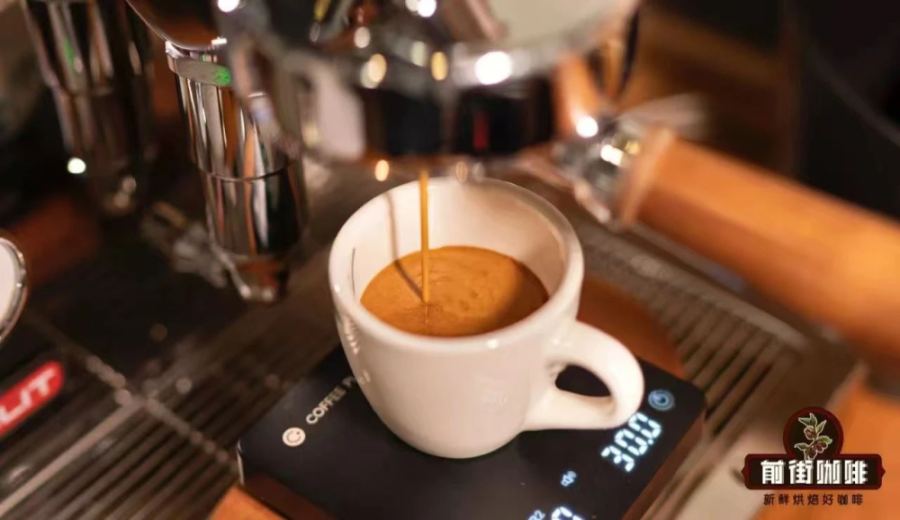
Introduction:What’s the difference between Italian-style blends and single-origin espresso beans (SOE)? As a beginner, how do you choose the right Italian-style beans that suit your flavor preferences from so many options? This article delves into the fundamental differences between blends and SOEs, and guides you in finding the most suitable Italian coffee beans based on three core criteria: freshness, roast level, and crema performance — whether you crave rich crema or enjoy floral and fruity aromas, you’ll find your ideal choice.
In the world of Italian coffee, blends are the most common option. These beans are typically a mix of coffees from different regions or countries, combined in specific proportions to achieve balanced and stable flavors. In contrast, SOEs (Single Origin Espresso) emphasize the unique character of a specific origin, often highlighting bright acidity and clear flavor profiles. However, for most everyday drinkers or beginners, Italian blends are often the best entry point due to their rich, harmonious taste and relatively affordable price.
Facing a wide array of blend products, beginners often don’t know where to start. In fact, by mastering just three key elements — freshness, appropriate roast level, and crema performance — you can effectively narrow down the beans that suit you, whether for daily drinking or as a base for latte art.
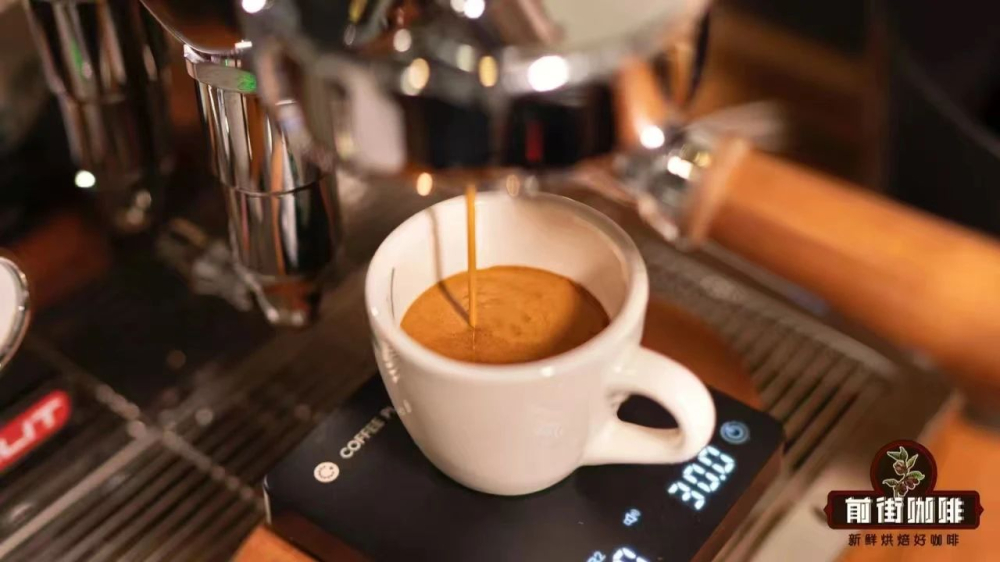
1. Freshness is the foundation of great extraction
Regardless of brewing method, the roast date of coffee beans directly impacts aroma and flavor. Generally, coffee beans are at their best within two months of roasting. Beyond this period, volatile aromatic compounds significantly diminish, not only affecting crema extraction but also making the overall flavor dull. Especially when using devices like the moka pot, older beans may result in little to no crema. It’s recommended to choose beans roasted within 10 days for optimal extraction.
Typically, coffee beans are at their peak flavor within the first five days after roasting. At this stage, not only are the aromas rich, but subtle layers are also more pronounced. Buying at the right time and storing properly can help extend the optimal drinking window.
2. Medium-dark roasts deliver richer espressos with abundant crema
Roast levels significantly influence the direction of a coffee’s flavor. Medium-dark roasts loosen the bean’s internal structure, transforming original fruit acids into warm notes like caramel, chocolate, and cream, resulting in a rounder, fuller mouthfeel. Meanwhile, the high levels of carbon dioxide built up during dark roasting are released during extraction, forming the fine foam we know as coffee crema. This not only enhances aroma intensity but also provides an essential textural base for latte art.
For beginners new to Italian coffee, it’s recommended to start with blends labeled as medium-dark roast, paying attention to flavor descriptions such as hazelnut, cocoa, cream, caramel, and nuts — these usually indicate a roast degree and flavor profile well-suited for newcomers.
3. Crema is more than aesthetics — it carries aroma and is key to latte art
An espresso with a thick, dense layer of crema is not only more visually appealing but also offers a stronger sensory experience in both aroma and taste. High-quality crema locks in aromatic compounds, extending the release of fragrance. For milk-based drinks like lattes and cappuccinos, it’s also a crucial foundation for latte art texture and flavor.
Therefore, when selecting blends, consider their crema performance and related reviews. Choosing products that consistently produce fine crema will greatly enhance your overall brewing experience.
Below are four distinct Italian-style blends suited to different needs, each with its own unique flavor focus:
1. Nutty & Chocolate Profile — Classic Blend Coffee Beans
This blend combines Indonesian Mandheling, Brazilian pulped natural, and Vietnamese washed beans. Built on a nutty base, it’s complemented by the sweetness of dark chocolate and caramel. It has a rich crema, making it ideal for those who enjoy bold, full-bodied flavors, and is commonly used as a latte art base.
2. Bold & Intense Profile — Commercial Blend Coffee Beans
Composed of Robusta washed beans, Colombian washed beans, and Brazilian pulped natural, this blend leans toward a strong and solid profile, featuring prominent layers of nuts, cocoa, and caramel. Suitable for those who prefer heavier tastes, it’s especially fitting for daily commutes or office use.
3. Mildly Acidic & Balanced Profile — Dark Cocoa Blend Coffee Beans
Blending Yunnan small-bean washed coffee with Brazilian pulped natural, this mix opens with gentle fruit acidity followed by warm notes of caramel and nuts. The overall flavor is balanced with clear layers, recommended by many baristas, and suits drinkers who appreciate a hint of mild acidity.
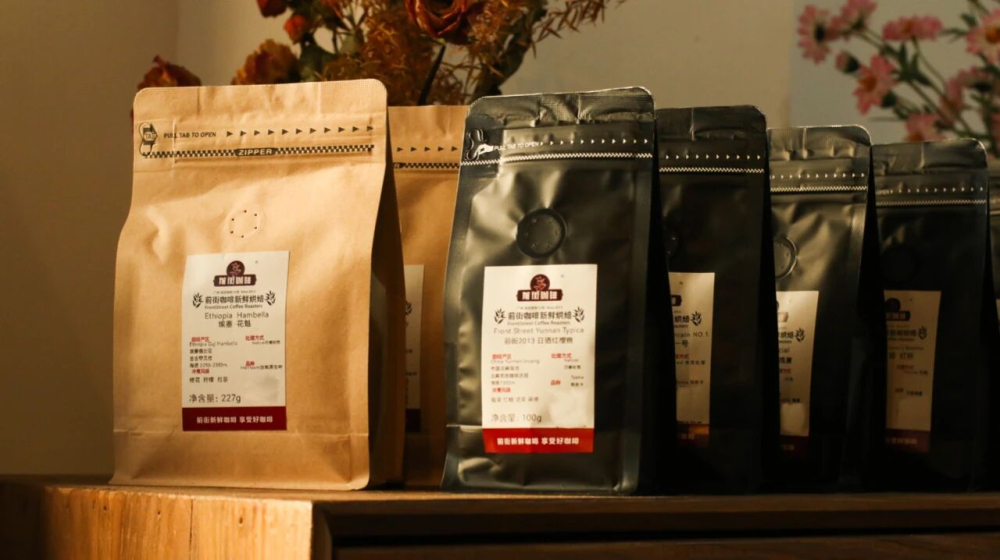
4. Floral & Fruity Profile — Strawberry Candy Blend Coffee Beans
Roasted to a medium level and suitable for home espresso machines and moka pots, this blend highlights the aromas of rose, strawberry soft candy, and dried blueberries, paired with the bright acidity of grapes and citrus. The finish leaves an almond-like aftertaste. Ideal for those who prefer refreshing floral and fruity notes, it’s also great for making summer iced coffee.
Purchasing Advice: Prioritize Professional Roasting Brands
To buy blends that are both high-quality and fresh, it’s recommended to choose brands or shops with professional roasting capabilities. Purchase through official websites, physical stores, or reputable e-commerce platforms to ensure the process from roasting to delivery preserves the beans’ freshness and flavor potential.
The above content is compiled by CoffeeHunters, a coffee news website.


