







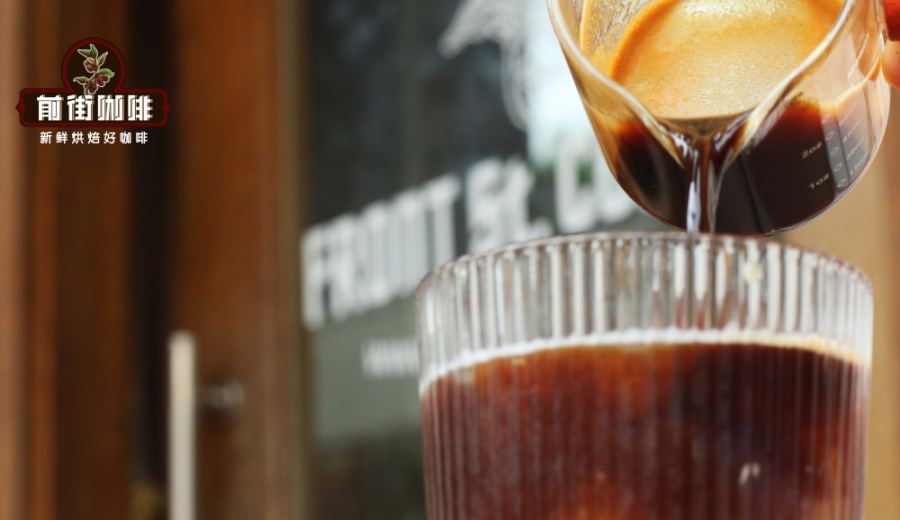
Introduction:Want to understand how SOE (single origin espresso) differs from traditional blended espresso beans? From flavor profiles and extraction performance to suitable scenarios, this article breaks down the core differences between the two, along with practical extraction tips and common myth-busting advice to help you make a more informed choice based on your taste preferences and usage context.
In recent years, SOE (Single Origin Espresso, or single-origin espresso) has become increasingly common on café menus. Many people mistakenly assume that espresso made from single-origin beans is necessarily superior in quality and more expensive than blends. However, this notion is actually a misconception. This article will start with definitions, delve into a detailed comparison of the characteristics, development background, pros and cons of SOE and blended espresso, and explore the challenges that single-origin beans may face under high-pressure extraction. It also provides practical selection advice. Additionally, we’ve compiled several classic blended bean recipes and their flavor profiles to help coffee enthusiasts make suitable judgments based on their own needs.
First, what is SOE (single-origin espresso)? The concept of SOE has been promoted in the international market for about a decade, gradually becoming popular since 2007 and relatively mature after 2010. For readers unfamiliar with this term, it’s important to understand its basic definition, as it will appear more frequently on café menus in the future. For example, if an espresso bean blend consists of Brazilian and Indonesian Mandheling beans, it is considered a blend; conversely, if the entire bean comes from a single origin—such as pure Ethiopian Yirgacheffe or Guatemalan—it can be called an SOE. It’s important to clarify that SOE does not necessarily equate to higher price or quality. As long as the single-origin beans have outstanding flavor performance, even a simple recipe can showcase the layers and details of espresso. This is also one of the important trends in the development of specialty coffee today.
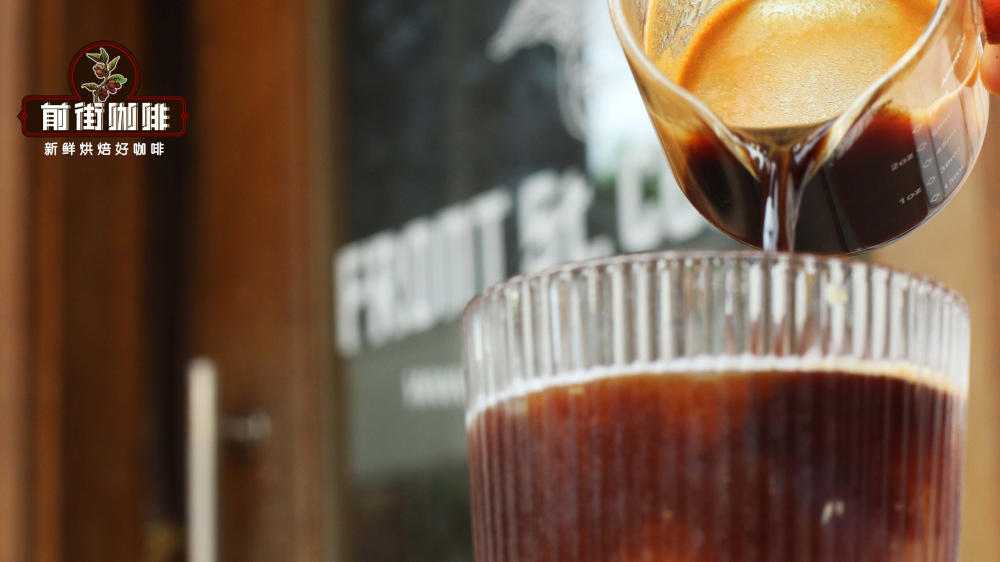
The growing attention to SOE stems partly from international competitions like the World Barista Championship (WBC), where competitors often use single-origin beans to make espresso, thereby influencing industry and consumer perceptions and leading many to assume that SOE is inherently better than blends. On the other hand, as specialty coffee culture becomes more widespread, more consumers hope to taste the inherent flavors and layers of coffee itself without the interference of milk or syrups, and single-origin beans are better at highlighting unique regional characteristics. However, not all single-origin beans are suitable for high-pressure espresso extraction. Since coffee beans are agricultural products, their flavors are influenced by factors such as origin climate, processing methods, and harvest year, resulting in relatively lower stability. Moreover, the espresso extraction process involves extremely fine grinding, high temperatures, and high pressure, which highly concentrate the bean's flavor characteristics. If the single-origin bean itself has excessively high acidity or lacks body, it may result in sharp sourness, noticeable astringency, or even burnt bitterness and a thin mouthfeel. Therefore, if you want to experience the unique charm of SOE, it’s recommended to choose beans roasted medium-dark or darker specifically for espresso use, or to directly purchase dedicated SOE blends labeled as such.
As for blended espresso, it is currently the most common form of espresso bean on the market and serves as the default espresso base for most cafés. Generally, blended beans combine beans from two or more origins, adjusting proportions to balance flavors. They typically have a rich, full-bodied mouthfeel, low acidity, and pronounced sweetness, and while they may not offer as complex a flavor profile as SOE, they are more stable and cater to the tastes of most consumers. The creation of blended beans was precisely to address the issue of single-origin beans easily exposing flaws and having unstable flavors during espresso extraction. Coffee professionals carefully select and combine beans from different origins to complement each other’s strengths, ensuring the final blend maintains consistent performance across different roast batches and brewing conditions. Therefore, for general cafés or everyday drinking needs, blended beans are often the more practical and reliable choice.
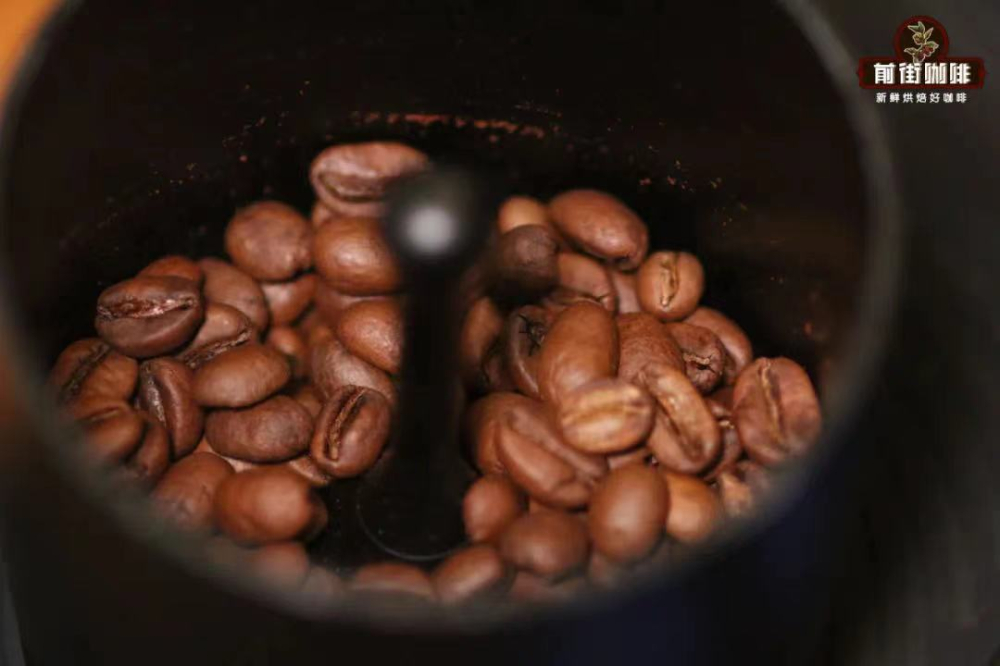
Taking actual commercial products as examples, common blended recipes include various origin combinations, such as blending Ethiopian sundried beans with Central and South American beans, or incorporating some Robusta to enhance body and crema performance. These blended beans not only ensure extraction stability but also deliver rich flavors such as caramel, nuts, chocolate, and subtle fruity sweetness, making them suitable for various brewing methods, especially espresso and milk-based coffee. Additionally, blended beans are usually roasted to a more balanced or slightly darker degree, helping to achieve a well-rounded mouthfeel and sufficient body, ensuring each cup delivers a consistent and satisfying experience.
So, is SOE definitely tastier than blended espresso? The answer is not absolute. The overall performance of a cup of coffee depends not only on the origin and processing method of the beans but also on multiple factors such as freshness, roast level, espresso machine performance, extraction parameters (e.g., grind size, water temperature, pressure, extraction time), and personal taste preferences. SOE simply means the espresso is made using beans from a single origin, but whether its flavor is outstanding still depends on the synergy of all these elements. Therefore, it’s not possible to generalize which is better; instead, the most suitable type of coffee bean should be chosen based on the actual situation, intended use, and personal taste preferences.
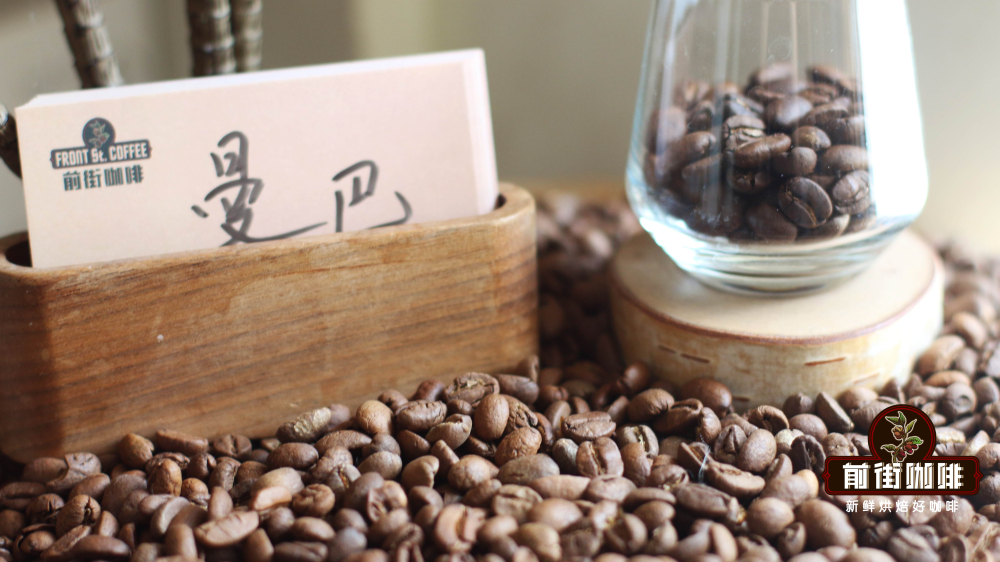
In summary, both SOE and blended espresso have their advantages and limitations. SOE is suitable for consumers seeking unique flavors and regional characteristics, but attention should be paid to its extraction stability and appropriate roast level. Blended beans, on the other hand, excel in stable performance, rich mouthfeel, and broad applicability, making them the ideal choice for everyday drinking and commercial use. Regardless of which type you choose, it’s recommended to deeply understand its characteristics and suitable scenarios, and adjust parameters according to actual extraction conditions to fully unlock the potential of the beans and enjoy every refined cup of espresso.
The above content is compiled by CoffeeHunters, a coffee news website.


