







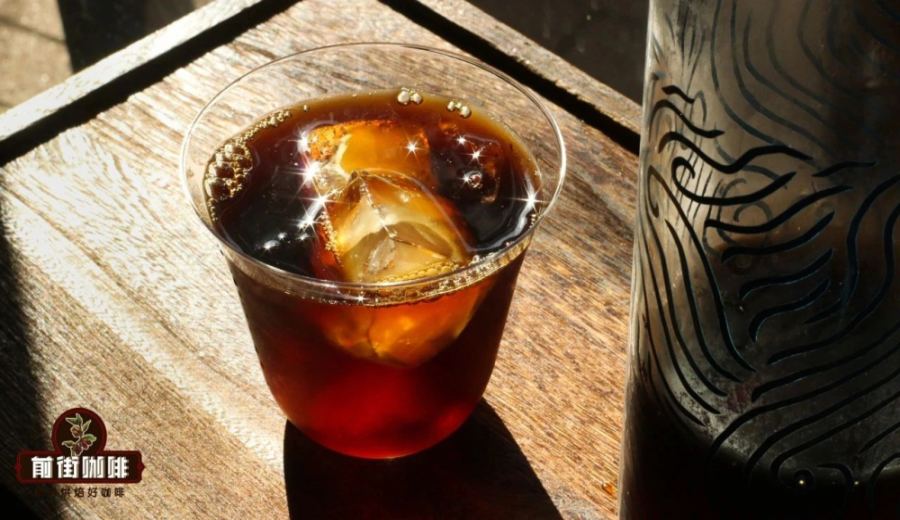
Introduction:Want to enjoy a refreshing yet layered iced coffee on a hot summer day? Cold brew coffee, with its low-temperature slow extraction method, highlights the coffee bean’s gentle acidity, sweetness, and delicate flavors—making it an excellent choice for summer. This article will delve into the differences between cold brew and hot-brewed coffee, explain why medium-to-light roasted beans are better suited for cold brew, and recommend several specialty beans ideal for this method. We’ll also guide you step-by-step through the key parameters of cold brewing—including grind size, coffee-to-water ratio, and steeping time—to help you easily make a balanced, multi-layered cold brew coffee at home.
Summer is here, and you want a cool, energizing cup of coffee at home without braving the heat outside? Cold brew coffee is your perfect match. Compared to regular iced coffee, cold brew is extracted through prolonged soaking in low temperatures, resulting in softer acidity, brighter sweetness, and clearer regional characteristics—especially appealing to those who love fruity and floral notes.
Unlike high-temperature, fast-extraction hot coffee, cold brew uses room temperature or cold water for a slow soaking process, typically taking 8 to 18 hours. This reduces tannins and overly bitter extraction, allowing more of the coffee’s aromatic and fruity acid components to shine. That’s why cold brew is particularly well-suited to medium-to-light roasted specialty single-origin beans, letting you enjoy café-quality layers and flavors at home.
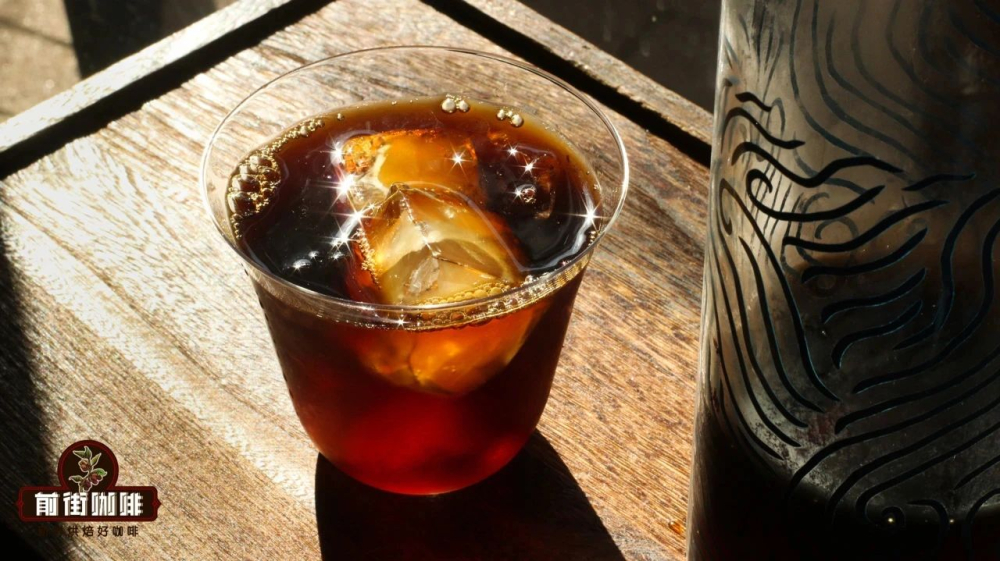
The biggest difference between cold brew and typical store-bought iced coffee lies in its low-temperature extraction process. Regular hot-brewed coffee usually involves water temperatures between 82°C and 95°C, with brewing times often not exceeding 3 minutes. While this quickly brings out strong flavors, it can also release too many bitter substances. In contrast, cold brew is entirely soaked in cold water, typically maintained between 4°C and room temperature. By extending the extraction time, it yields a smoother, mellower coffee flavor—with gentler acidity and more pronounced sweetness.
Because cold brew preserves more delicate fruity aromas and regional characteristics, choosing suitable medium-to-light roasted single-origin beans becomes especially important. Dark roasted beans may have rich caramel and chocolate notes, but during cold brewing, they tend to release excessive astringency and woody off-flavors, which can mask the coffee’s inherent complexity.
If you’re looking for a coffee bean that works great for both pour over and cold brew, offering diverse flavors, consider these three popular single-origin options:
1. Washed Guodingding (Yirgacheffe Region): Processed via the washed method, it delivers fresh floral, citrus, lemon, honey, and green tea aromas after cold brew, with bright acidity and a clean, refreshing finish.
2. Strawberry Candy Gesha Blend (Panama & Costa Rica): Combining washed and honey-processed flavors, it offers sweet notes of rose, raisin, and fruit gummies after cold brew, with a rich mouthfeel and long-lasting aftertaste.
3. Natural Huakui (Gedeo Zone, Guji Region): Carefully sun-dried, it features delicate floral, strawberry, guava, and dried mango aromas. After cold brewing, it gains a hint of the mellow body reminiscent of black tea.
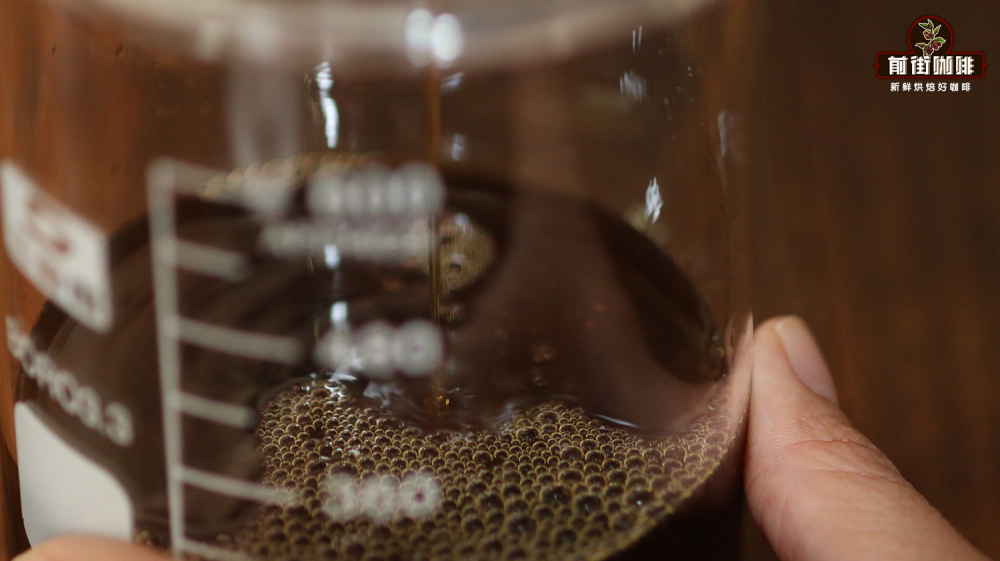
To successfully brew a flavorful cold brew coffee, it’s essential to master a few core parameters: grind size, coffee-to-water ratio, and steeping time. Among these,grind size has the greatest impact on cold brew extraction efficiency. It’s recommended to grind the beans to a coarseness similar to fine sugar—approximately 75%–80% passing through a Chinese No. 20 sieve, or a grind setting of 9.5–10 on an EK43s grinder. If using a hand grinder like the C40, aim for around 22–26 clicks. This grind size allows cold water to evenly extract flavor compounds from the coffee without over-extracting due to excessive fineness.
For the coffee-to-water ratio, it’s generally advised to use a 1:10 to 1:12 ratio—that is, 300–360 milliliters of water per 30 grams of coffee beans. This ratio balances flavor and strength, avoiding being too diluted or overly concentrated.
As for steeping time, it’s recommended to keep it within 8 to 18 hours, with the optimal range usually being 10–16 hours. Experiments have shown that cold brew steeped for just 6 hours may lack aroma and taste weak, while steeping beyond 24 hours can result in noticeable over-extracted bitterness. Finding the right duration for your taste preference is part of the fun of cold brewing.
In practice, you can follow these steps:
1. Grind 30 grams of coffee beans to a fine-sugar-like consistency and place them in a sealable glass container.
2. Pour in about 300 milliliters of room temperature or ice water, gently stir to fully saturate the coffee grounds.
3. Seal the container, place it in the refrigerator, and let it steep for 8 to 12 hours.
4. After steeping, filter the coffee liquid using paper filters or a filter dripper, transfer it to a sealed bottle, and refrigerate for anytime enjoyment.
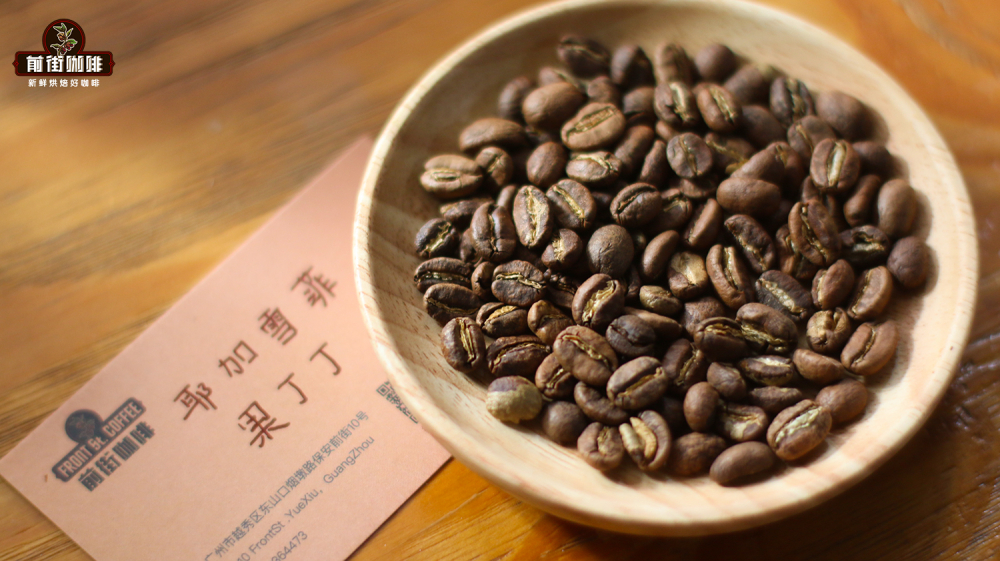
The finished cold brew coffee offers a distinct berry juice-like mouthfeel, with a long finish that carries a soft, creamy note. Even as the ice melts, the overall flavor remains balanced, with clear acidity and sweetness layers. Whether as a morning pick-me-up or an afternoon refresher, homemade cold brew provides a uniquely enjoyable coffee experience.
The above content is compiled by CoffeeHunters, a coffee news website.


