







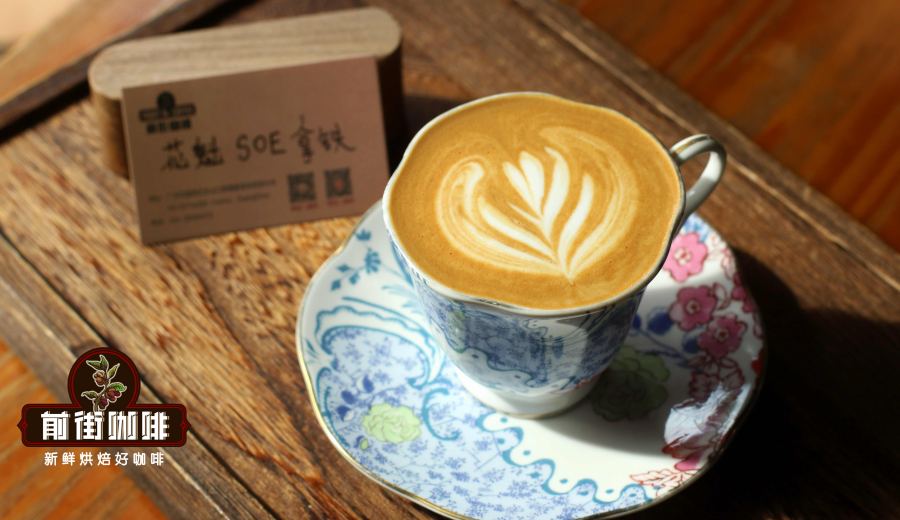
Introduction:Have you ever seen "SOE" on a café menu but weren’t sure what it really means? Single Origin Espresso is not only a hot topic in the specialty coffee world, but also showcases the distinct charm of regional flavors. This article dives deep into the differences between SOE and regular single-origin or blended beans, exploring its historical background, flavor characteristics, and offering practical advice on roasting and extraction parameters to help you master the brewing essentials of this unique type of coffee.
Walking into modern cafés, the term "SOE" is increasingly appearing on menus—but do you truly understand what it represents? SOE, short for Single Origin Espresso, is commonly translated in Chinese as “单一产地浓缩咖啡” (single-origin espresso). Its defining feature is the use of coffee beans from a single origin or farm, directly brewed as espresso—unlike traditional blends that mix beans from multiple countries or regions. This approach allows for a clearer expression of the unique flavor profile of the region, such as bright acidity, floral notes, or rich nutty and chocolatey tones.
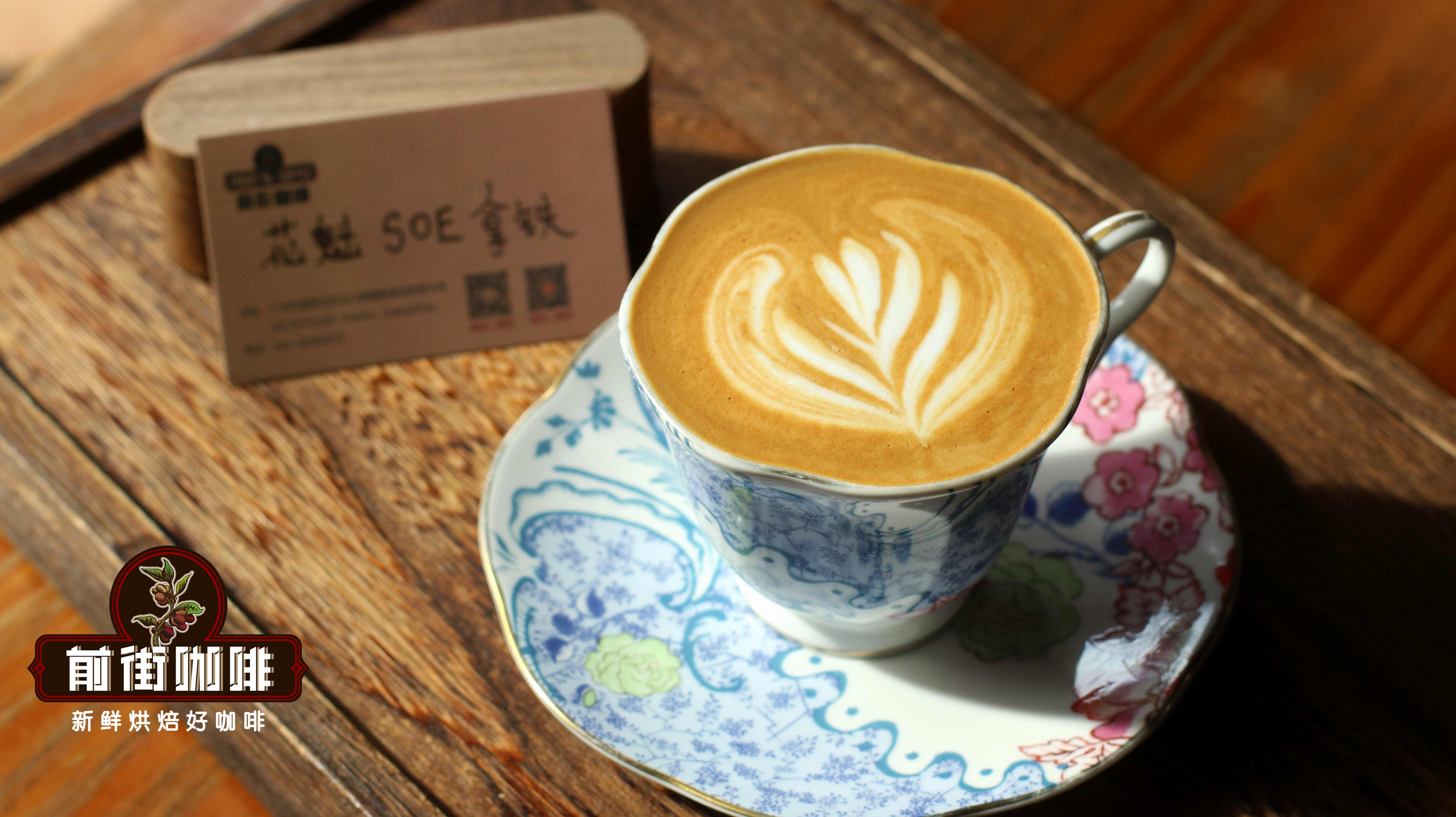
Although both SOE and the pour-over single-origin coffees we often see use beans from a single origin, there are still significant differences in extraction methods and roasting styles. Pour-over typically uses medium-light roasts to highlight the delicate flavor layers of the origin, while SOE is mostly used for espresso machines. To adapt to the high-pressure, high-temperature extraction environment, the roast level is adjusted slightly. Many cafés that focus on SOE opt for medium-light to medium roasts to bring out fresh notes like fruit and flowers—for example, Ethiopian Yirgacheffe often exhibits pronounced citrus and jasmine flavors, while Kenyan washed beans may present deep acidity with notes of blackcurrant and berries.
Of course, SOE roast styles are not set in stone. Some cafés also offer medium-dark roasted SOEs, such as beans from Colombia or Brazil, which deliver rich, bold flavors like dark chocolate, caramel, or creaminess. These beans, when used to make lattes or flat whites, can showcase a full-bodied and balanced milk coffee flavor. Whether you prefer bright, sweet-and-sour profiles or rich, full-bodied tones, choosing the right SOE coffee beans allows you to experience the unique charm of single-origin coffee.
So, what’s the biggest difference between SOE and traditional blends? In the early days of espresso’s popularity, most cafés used blends to achieve stable extraction and balanced flavors. These blends mixed beans from different origins in specific proportions to ensure consistent taste and manage costs. However, as specialty coffee culture has risen, more consumers are seeking coffee that showcases regional character, and SOE has regained attention. Compared to blends, SOE emphasizes the origin flavors of the coffee more strongly—from bean selection and roasting to extraction, everything is adjusted around the traits of that particular origin, resulting in higher quality requirements for the beans and naturally a higher price point.
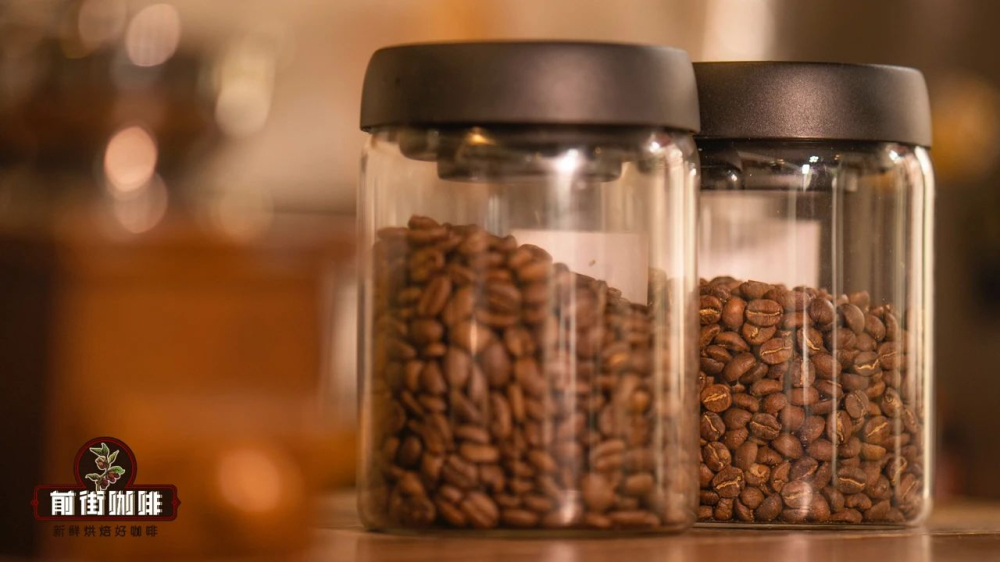
When blending coffee, roasters often choose darker roast levels to harmonize the flavors of different beans and mask potential defects in some beans. However, SOE takes the opposite approach, aiming to highlight the uniqueness of the beans from a specific origin. Therefore, the roast level usually isn’t too dark, so as to avoid muddled flavors after extraction. But compared to pour-over single-origin coffee, SOE shouldn’t lean too far toward extremely light roasts either—otherwise, under high-concentration extraction, it can easily release excessive acidity and astringency, affecting the overall balance of the drink. As a result, the roasting curve for SOE requires more precise control, along with appropriate extraction parameters, to fully express the premium flavor characteristics of the origin.
The rise of SOE is closely tied to the growth of specialty coffee. As more baristas participate in competitions, they began using high-quality single-origin beans to make espresso during competitions, showcasing more distinctive flavor profiles and thereby driving the SOE trend. In addition, the prevalence of social media has accelerated this movement—many exquisite coffee images and brewing processes are widely shared, making consumers increasingly familiar with the concepts of “single origin” and “regional flavors.” In fact, although SOE has only recently become a buzzword, in the early days of espresso, many cafés were already using single-origin beans to make espresso, though they weren’t specifically labeled as such at the time.
When it comes to which coffee beans are suitable for making SOE, it really depends on your preferred flavor profile. For those who enjoy fruity acidity and floral notes, medium-light roasted beans are recommended—for example, those from Africa, such as Yirgacheffe or Yemen Mocha, which typically have bright citrus, blueberry, or jasmine aromas. If you prefer a richer, fuller-bodied espresso with nutty or chocolatey characteristics, consider medium-dark roasted Brazilian or Colombian beans. These types of SOEs are commonly used for making lattes, bringing out a silky milk texture and sweetness.
Finally, a reminder to all coffee enthusiasts: no matter which type of SOE coffee beans you choose, freshness is one of the key factors affecting flavor. It’s recommended to choose beans roasted within 5 days and to use them within 2–3 weeks of roasting for optimal extraction. Additionally, if you’re using a light-roasted SOE, since the beans are denser and flavor compounds are harder to release, it’s advisable to adjust extraction parameters accordingly—such as slightly increasing water temperature, extending extraction time, or grinding finer—to improve overall extraction efficiency and flavor expression.
The above content is compiled by CoffeeHunters, a coffee news website.


