







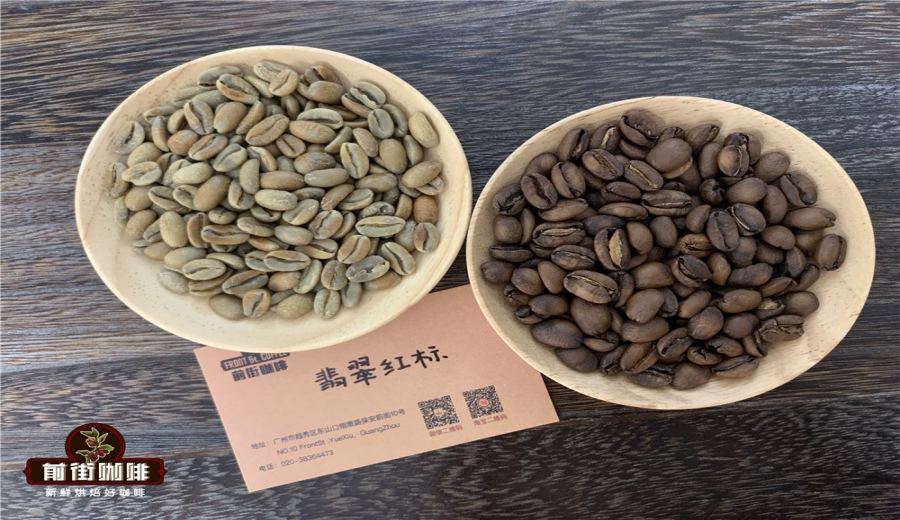
Introduction:Geisha coffee is renowned for its delicate floral notes and vibrant acidity, but the flavor profiles and optimal brewing methods vary across different origins. This article delves into the unique characteristics of Geisha from Costa Rica, Ethiopia, and Colombia, along with tested recommendations for coffee-to-water ratio and water temperature. It also details the grading system and latest updates for Panama’s Hacienda Esmeralda Red, Green, and Blue Label offerings, helping you master the key techniques and flavor profiles of pour over Geisha.
With its distinctive floral and fruity acidity, Geisha coffee has long been considered a premium choice among specialty coffee enthusiasts. However, due to differences in climate, soil, and altitude, Geisha from various origins exhibit distinct flavor expressions and require tailored brewing approaches. Using three recently introduced Geisha coffees as examples—representing Costa Rica, Ethiopia, and Colombia—this article explores the unique traits of each origin, provides practical pour over suggestions including crucial parameters like coffee-to-water ratio, water temperature, and grind size, while also offering a detailed overview of Panama’s Hacienda Esmeralda famous Red, Green, and Blue Label grading system and its latest developments, giving you a more comprehensive understanding of Geisha’s allure.
The Rise of Geisha and Its Varietal Characteristics
When it comes to Geisha, many people first think of the legendary Hacienda Esmeralda in Panama. In fact, the Geisha variety was initially overlooked due to its low yield, tall plant stature, and difficult harvesting process, and was long used only as a windbreak. It wasn’t until 2003, when Hacienda Esmeralda isolated it from a blend, and it won the BOP competition in 2004, that this variety truly emerged. Compared to other origins, Panama’s Geisha, thanks to its exceptional environmental conditions, showcases even more refined floral and fruity acidity, establishing itself as a market leader.
Costa Rican Geisha: Full-Bodied Flavor from Volcanic Soil
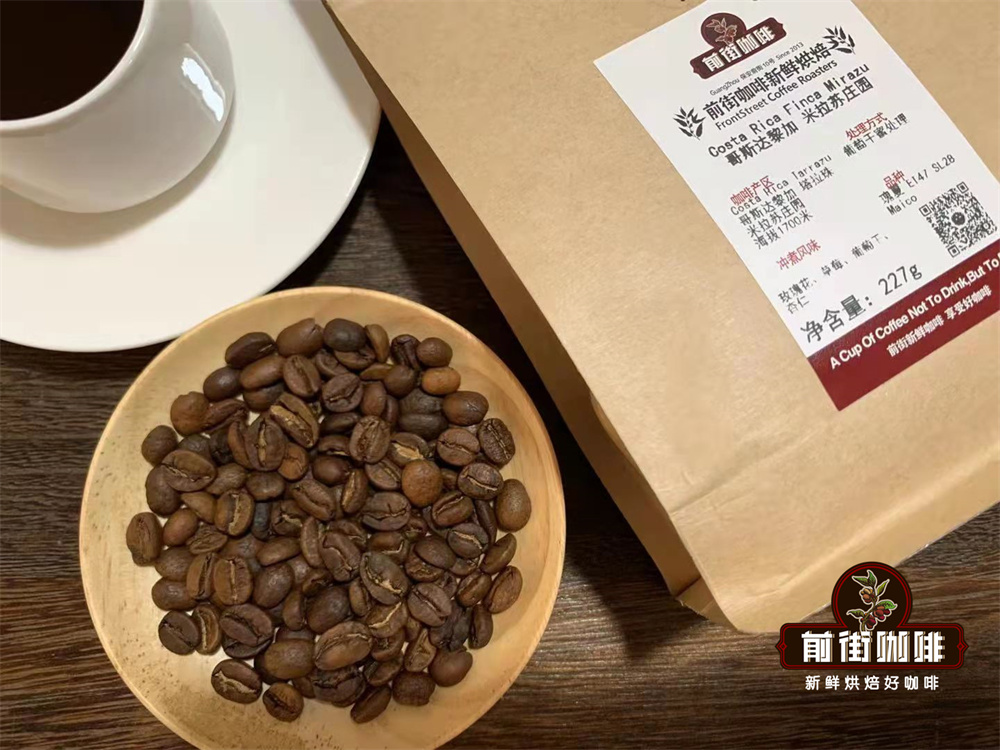
Costa Rica is one of the earliest regions to cultivate Geisha, especially in the Tarrazú area, where its volcanic terrain provides fertile soil, stable climate, and abundant rainfall—ideal growing conditions for Geisha. The flavor profile of Costa Rican Geisha is similar to the Panamanian version, dominated by floral notes and lemony acidity, but with an overall fuller body and a juice-like mouthfeel. It is recommended to usea water temperature of 91°C and a coffee-to-water ratio of 1:15, paired witha medium-fine grind (80% passing through a #20 sieve)to fully highlight its layered flavors.
Ethiopian Geisha: A Sweet Surprise of Wild Flavors
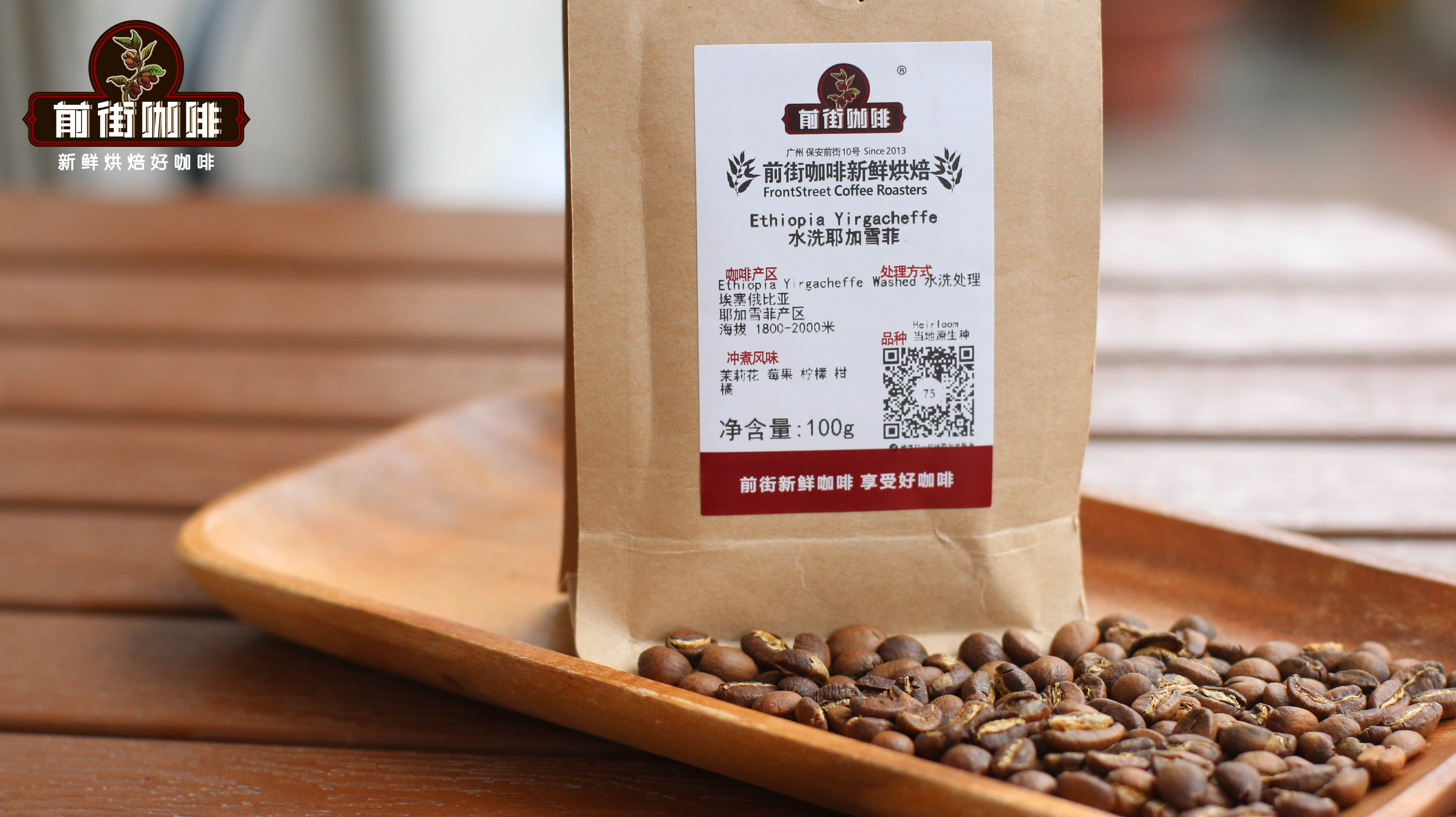
Ethiopia’s Geisha Village Estate is famed for its wild Geisha variety, locally known as “Gori Geisha.” This coffee features dominant notes of yellow stone fruits such as yellow peaches, with pronounced sweetness, and some high-quality batches even have a toffee-like finish. Cupping results show excellent sweetness, hence it is recommended to usea water temperature of 91°C and a 1:15 coffee-to-water ratio, along witha medium-fine grind (80% passing through a #20 sieve)to bring out its rich sweetness and fruity aromas.
Colombian Geisha: Gentle and Balanced Mountainous Flavor
Colombia has recently introduced the Geisha variety, and its mountainous terrain and diverse microclimates result in a soft and balanced flavor profile for Colombian Geisha. Notable for its floral notes, orange acidity, and honey-like sweetness, the finish is refreshingly tea-like. It is advised to usea water temperature of 90°C and a 1:15 coffee-to-water ratio, together witha medium-fine grind (80% passing through a #20 sieve)to present its mild and harmonious taste.
The Grading Mystery of Hacienda Esmeralda: Red, Green, and Blue Labels
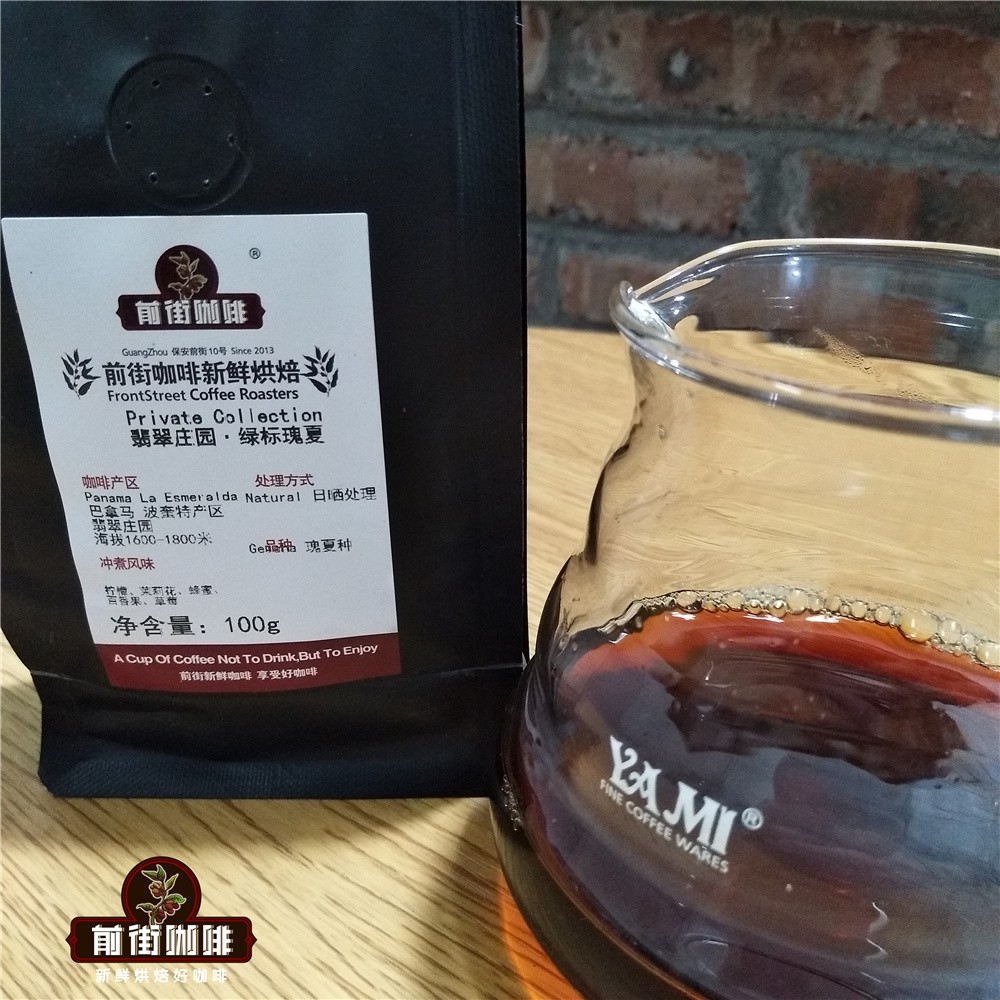
Since winning the BOP in 2004, Panama’s Hacienda Esmeralda has gradually established a rigorous grading system. Its Geisha is categorized into Red, Green, and Blue Labels based on altitude and flavor expression. The Red Label is sourced from the Jaramillo and Cañas Verdes regions at altitudes of 1600–1800 meters, with cupping scores above 90. It features bright floral and citrus notes, with some batches processed via natural or washed methods. The Green Label comes from micro-lots within the same regions, not entered into auctions but still retaining the classic Geisha fruitiness and full body, with only washed versions available in recent years. The Blue Label uses blended beans from altitudes of 1400–1500 meters, offering softer flavors with balanced acidity and sweetness, though with slightly less body than the former two. Notably, the Blue Label series has been discontinued and replaced by the Las Rocas volcanic series, which is expected to continue the positioning of the Blue Label.
Key Parameters for Pour Over Geisha
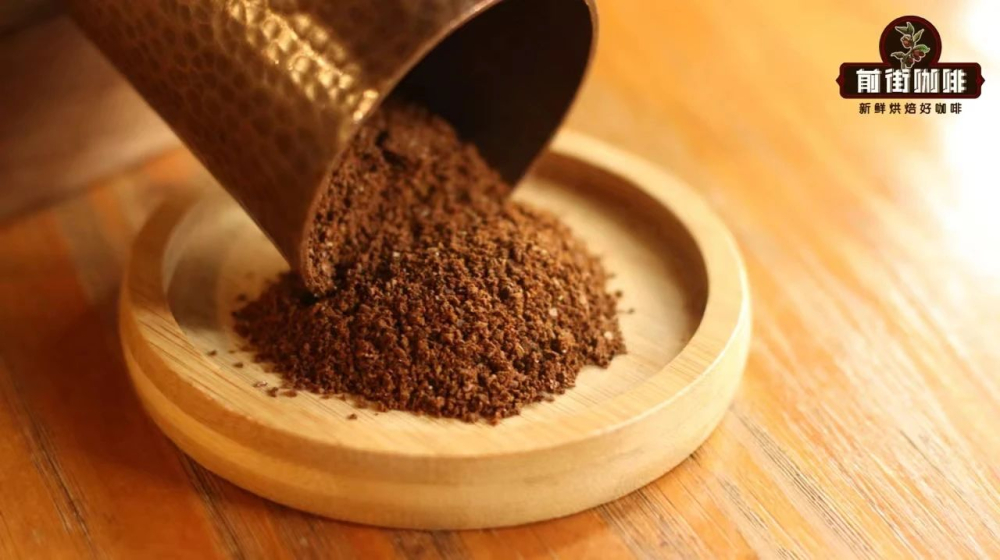
As Geisha is typically light roasted, its coffee compounds are released more slowly, so it is recommended to usea higher water temperature (around 90°C) and a medium-fine grind (80% passing through a #20 sieve)to enhance extraction efficiency. In practice, you can use a Hario V60 dripper with15 grams of coffee and 225 grams of water (a 1:15 ratio), starting with a 30-second bloom using 30 grams of water, then pouring in stages to reach the target volume, with a total brew time of about 2 minutes. This method effectively balances floral, fruity acidity, and sweetness, showcasing the most refined flavor profile of Geisha.
Overview of Flavor Profiles
The Red Label Geisha highlights rose, citrus, and honey as its main notes, with rich layers and noticeable sweetness; the Green Label exhibits intense jasmine aroma and high sweetness, interwoven with citrus and berry notes, and a lingering finish; the Blue Label is characterized by gentle lemon and grapefruit acidity, transitioning to oolong tea and honey aftertaste as it cools, with a clean and refreshing mouthfeel. By adjusting brewing parameters appropriately, each Geisha can showcase its unique charm.
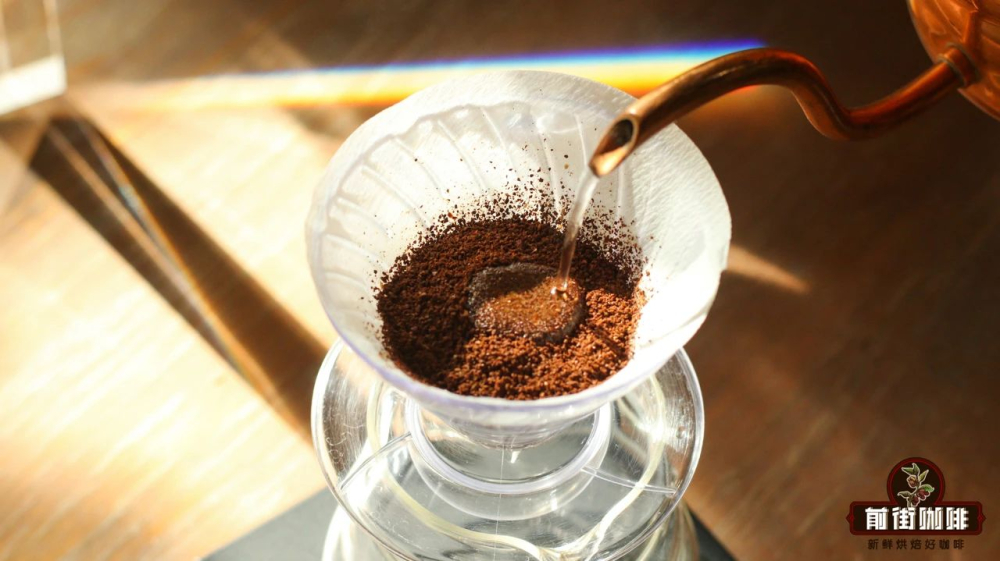
Pour over Geisha is an art that requires practice and fine-tuning. From water temperature and grind size to pouring rhythm, every detail affects the final flavor. Master these key parameters, and you too can brew Geisha at home with a quality close to that of a professional café.
The above content is compiled by CoffeeHunters, a coffee news website.


