







Introduction:Many pour over beginners often encounter issues with coffee that is either too sour or too bitter, failing to achieve the balanced flavor profile found in cafés. This article uses Ethiopian Yirgacheffe washed coffee as an example to deeply analyze the practical parameters of the three-pour brewing method, including coffee dosage, water temperature, grind size, and brew ratio. It also explains why acidity tends to stand out. Additionally, it provides three practical adjustment methods—increasing water volume, extending brew time, and raising water temperature—to help you master pour over techniques precisely, allowing the washed beans to showcase their rich sweetness and layered complexity.
Many home brewers face this common frustration: despite purchasing high-quality coffee beans, the coffee they brew at home often turns out overly sour or bitter, falling short of the smoothness and balance found in café-brewed coffee. Especially with Ethiopian Yirgacheffe washed beans, known for their fruity aroma and bright acidity, improper parameter control can easily amplify the acidic notes. This article will guide you through a real-world pour over case study, detailing the specific steps of the three-pour method, analyzing the dissolution characteristics of acids, sugars, and bitter compounds, identifying why acidity may dominate, and offering three practical adjustment strategies so you too can brew sweet and mellow washed coffees.

First, let’s take a set of common and stable pour over parameters as an example: using 15 grams of medium-fine ground Yirgacheffe washed coffee, with a brew ratio of 1:15, water temperature controlled at 90°C, and a grind size that allows about 75% of the particles to pass through a #20 sieve. These settings are suitable for most pour over kettles and filter cones, and also make it easier for beginners to control variables. Next, we’ll break down the actual operation process of the three-pour method step by step.
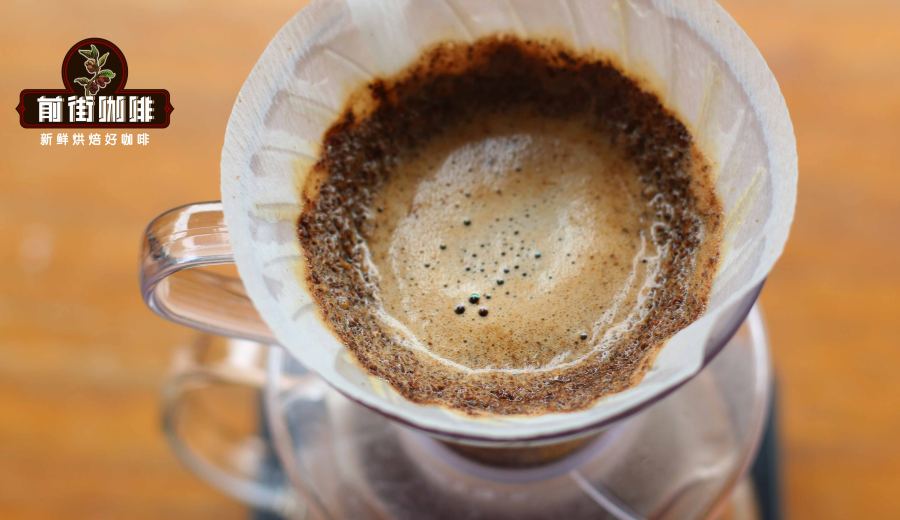
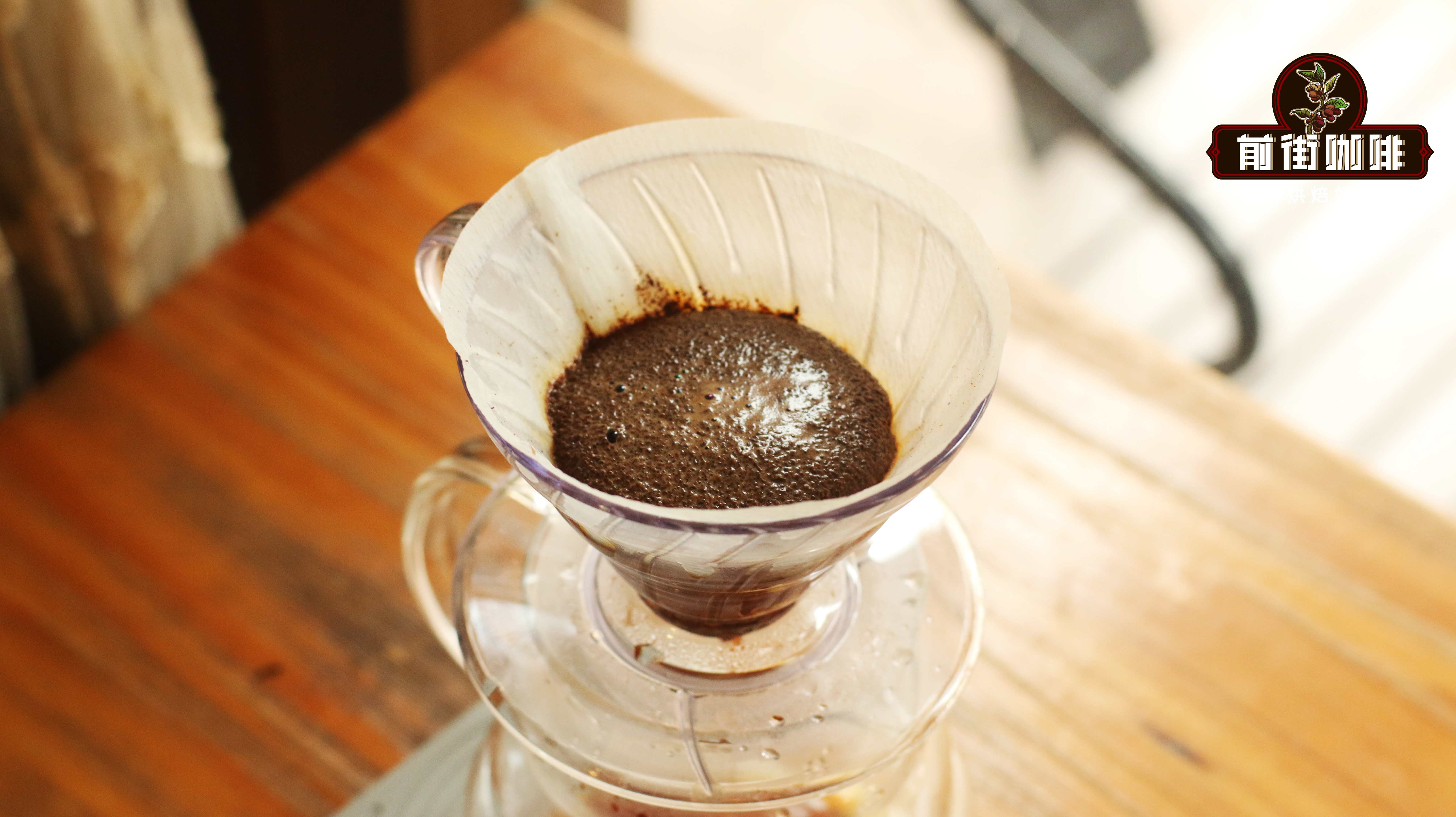
The first step is the bloom, which marks the beginning of the entire pouring process. After preheating the filter cone and server, grinding and placing the coffee grounds, we start pouring about 30 grams of hot water in a steady circular motion from the center of the coffee bed. At this point, the coffee grounds will absorb water and expand, forming a fluffy “coffee burger” shape—a clear sign that the coffee particles are releasing carbon dioxide. The recommended bloom time is 30 seconds, which helps to “wake up” the coffee grounds and lay a solid foundation for subsequent extraction.
After the bloom, we move on to the second pour. Continue pouring in a steady, vertical circular motion from the center outward, aiming to add 100 grams of water. During this stage, you’ll notice the foam gradually building up and covering the entire coffee bed, with the liquid level rising to the shorter ribs of the filter cone. This step helps to fully release the volatile aromatic compounds in the coffee while promoting even extraction. When the scale shows a cumulative pour of 130 grams (30 grams for the bloom + 100 grams in this stage), and the liquid level begins to drop, we prepare to enter the final pour.
For the final pour, we again pour gently from the center outward using a lighter “aroma-focused” technique, adding about 95 grams of water. The flow rate can be slightly slower at this stage, aiming to bring the liquid level back up to roughly the same height as in the second pour and maintaining consistent extraction pressure. As the pouring completes, the originally dark brown foam will gradually turn pale yellow, signaling the approach of the end of extraction. Once all the coffee has dripped through, you can remove the filter cone to conclude the entire extraction process. The total water used is about 225 grams, aligning with the 1:15 brew ratio.

So, why does Yirgacheffe washed coffee sometimes come out especially sour? The key lies in the different dissolution rates of the three main flavor components in coffee: acids, sugars, and bitterness. At the beginning of extraction, acids are the easiest compounds to be extracted by water, while sweetness and bitterness are released more slowly. As a result, acidity tends to show up first during the early stages of brewing. If the subsequent sweet and body-enhancing compounds do not follow in time, the acidity can end up tasting thin and sharp.
In addition, if the overall brew time is too short or the pouring speed is too fast, the sweet and bitter components may not be fully extracted, leading to what is called “under-extraction.” This results in a coffee that tastes sharp and unbalanced. On the other hand, if the brewing continues for too long, excessive bitter compounds are released, making the coffee taste dull and astringent. Therefore, mastering the right extraction rhythm is crucial.
To address the issue of overly prominent acidity, the following three adjustment methods can be considered—you can apply them flexibly based on the actual flavor profile you experience:
1. Increase Water Volume
If the coffee’s acidity is too pronounced and carries a noticeable sharpness, you might consider increasing the brew ratio—for instance, adjusting from 1:15 to 1:16 or even 1:17. Increasing the total water volume helps extend the overall extraction time, giving the middle-to-late stage sweet and body-enhancing compounds more opportunity to be released. This can balance out the overpowering acidity, while also reducing overall concentration, resulting in a smoother and more palatable cup.
2. Extend Brew Time
If you find that the coffee is a bit acidic but overall lacks flavor intensity, then simply increasing water volume may not be the best solution. In this case, extending brew time can allow the sweet and bitter compounds to be more fully extracted. There are two ways to extend time: one is by grinding finer to slow the water flow, naturally lengthening the brew time; the other is by adding more pour stages, such as switching from the common three-pour method to a four-pour method. However, be cautious—excessively long brew times may increase the risk of bitterness. For a 15-gram dose, it is recommended to keep the total brew time under 2 minutes and 20 seconds.
3. Raise Water Temperature
When brew time can no longer be extended, adjusting water temperature becomes the last viable option. For lightly roasted washed beans, a water temperature of 90–91°C is generally recommended for stable performance. If you find the coffee lacks sweetness and the acidity dominates, you can try slightly increasing the temperature to 93–94°C, which helps extract more flavor compounds. However, be especially careful not to exceed 94°C, as doing so can lead to over-extraction, resulting in burnt or bitter notes that negatively impact the overall flavor.
In summary, flavor adjustment in pour over brewing is a delicate art of balance. Understanding the dissolution characteristics of acidic, sweet, and bitter compounds, and mastering pouring parameters and extraction timing, allows you to make the most suitable adjustments based on actual conditions. Through the three-pour parameters and three practical adjustment strategies introduced in this article, we hope you can approach various coffee beans with greater confidence and brew your own perfectly balanced cup.
The above content is compiled by CoffeeHunters, a coffee news website.


