







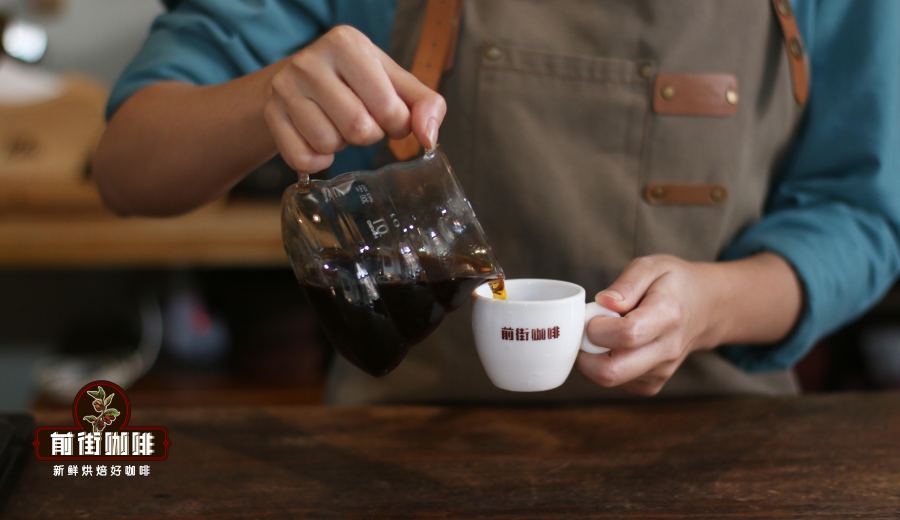
Introduction:Golden Mandheling is beloved by many coffee enthusiasts for its rich yet sweet flavor profile. This article takes an in-depth look at PWN Golden Mandheling from the Gayo Mountains of Aceh, Sumatra, Indonesia—covering everything from the growing region, coffee variety, wet-hulled processing method, to pour over brewing tips using a Kono filter at 88°C. We provide complete brewing parameters and practical advice to help you brew a clean, full-bodied, and layered cup of Golden Mandheling at home.
Indonesian Mandheling coffee has long been known for its bold and heavy body, but truly high-quality Golden Mandheling offers more than just intense bitterness—it also showcases delightful sweetness reminiscent of brown sugar and a satisfying aftertaste. Sourced from the Gayo highlands in Aceh, North Sumatra, this coffee features herbal, dark chocolate, and nutty undertones, making it a classic favorite among coffee lovers.
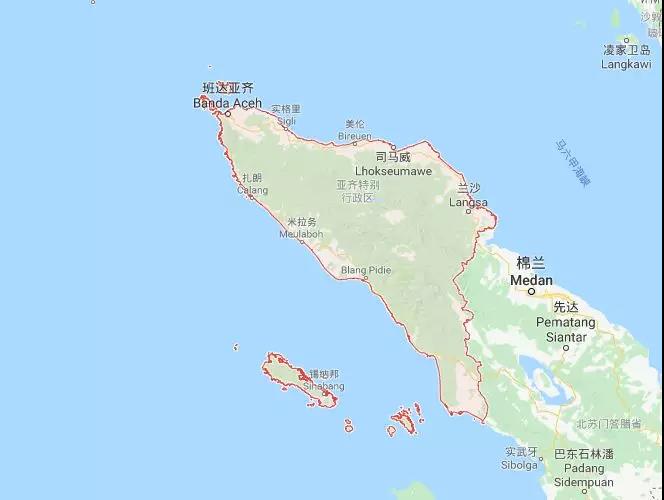
The Origin of Golden Mandheling: This coffee comes from the Gayo region in northern Sumatra, specifically around the Gayo Mountains. The growing altitude ranges between 1110 and 1600 meters, with coffee trees typically cultivated under shade and processed using the traditional wet-hulled method. Though this area is less known internationally due to political factors, it produces coffee beans with distinctive and complex flavors.
The Role of PWN and Their Selection Criteria: The Golden Mandheling trademark is registered by the well-known Indonesian company Pawani Coffee Company (abbreviated as PWN), and it is their exclusive product. PWN implements a rigorous three-step manual selection process along with one machine sorting step to ensure that every bean meets high standards for quality and appearance. While many products on the market claim to be “Golden Mandheling,” only those produced by PWN carry the official certification—making this the key to identifying authentic beans.
Variety and Processing Method Characteristics: Golden Mandheling primarily uses the locally common Ateng variety, which is actually a regional name for Catimor—a hybrid of Arabica and Robusta. Due to local economic and technical constraints, the wet-hulled processing method is widely used. This involves removing the parchment layer when the beans are still at approximately 20%-24% moisture content, accelerating the drying process. Although this method reduces processing time, it can also increase the rate of defects. To counter this, PWN employs strict selection to ensure that each batch maintains the high-quality G1 grade, with no more than 3 defects (per 300g sample).
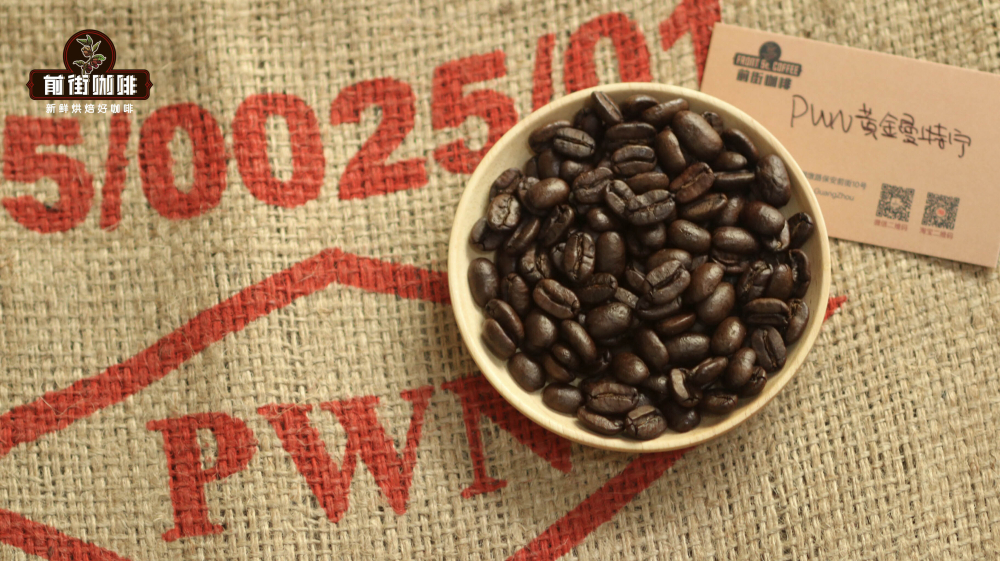
Roasting Recommendations and Bean Characteristics: PWN Golden Mandheling beans are uniform in size, mostly flat beans over eighteen mesh, and appear in a deep green color. It is recommended to roast them to a medium-dark level to bring out the rich flavors of caramel and nuts. A typical roasting recommendation is an entry temperature of around 200°C, with adjustments based on heat and airflow, and an exit temperature of approximately 204.5°C to fully develop its aroma and flavor complexity.
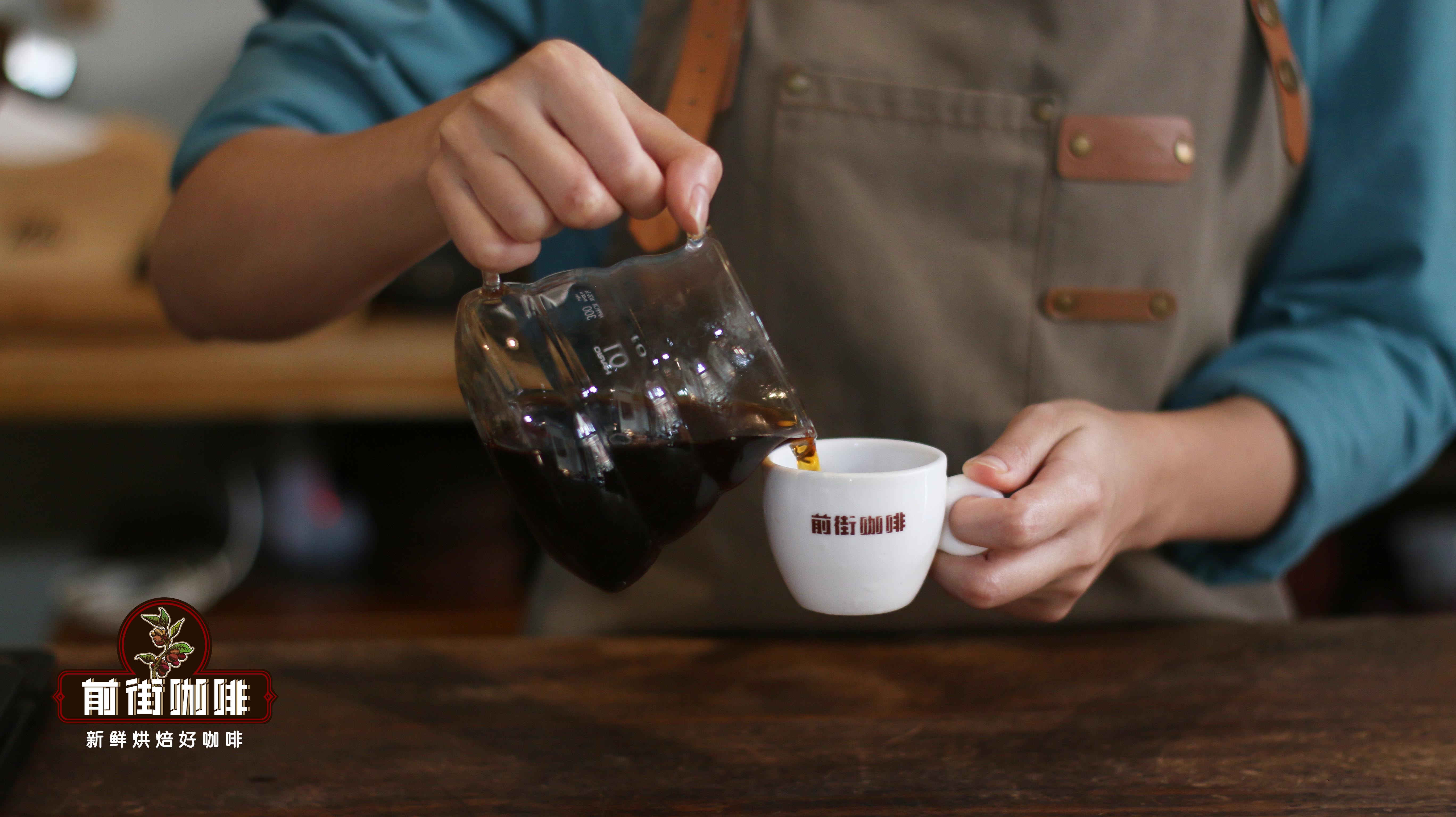
Pour Over Parameters and Choice of Kono Filter: To highlight the full body and sweetness of Golden Mandheling, it is recommended to use a Kono filter for pour over brewing. The Kono filter’s rib design is concentrated at the bottom, allowing the filter paper to adhere closely to the walls and effectively slow down the water flow, extending the contact time between water and coffee grounds. This helps enhance the richness and extraction yield. Recommended parameters are as follows: water temperature88°C, coffee dose15 grams, brew ratio1:15, and usemedium-fine grind(approximately 70-75% passing through a Chinese standard No. 20 sieve).
Three-Stage Pour Over Steps: Start with a 30-second bloom using 30 grams of water to activate the coffee’s aroma. Then pour in a small circular motion until you reach 125 grams for the first pour. Once the water level drops, continue pouring to a total of 225 grams, and stop the extraction just before the coffee bed is exposed. The total brew time should be controlled within2 minutes and 05 seconds to 2 minutes and 15 seconds. This method effectively balances acidity, sweetness, and body, avoiding over-extraction or a flat taste.
Flavor Profile: The brewed Golden Mandheling reveals layered flavors of spices and herbs, with a full and clean body and excellent balance. Notes of brown sugar and nuts run throughout, while the finish lingers with a lasting chocolate tone. It’s a classic Indonesian coffee that invites you to slow down and savor its intricate details.
By understanding the origin, variety, processing method, and precise brewing parameters, you can easily recreate the unique charm of this classic Golden Mandheling at home. Whether you’re a beginner or a seasoned coffee enthusiast, this coffee is a premium choice worth exploring in depth.
The above content is compiled by CoffeeHunters, a coffee news website.


