







Introduction:As the birthplace of coffee, Ethiopia produces sun-dried beans that account for 70% of its total output. A renowned variety from the Sidama · Guji region stands out as a star celebrated for both its flavor and reputation. This article delves into the growing environment and sun-drying process of this variety, uncovering the origins of its captivating floral, strawberry, and honey notes. It also provides a detailed comparison between two versions of this single-origin bean—medium-light and medium roast—offered by a specialty shop. From roast level and brewing methods to recommended preparation styles, it offers practical insights to help you make the best choice based on your drinking preferences.
Ethiopia is not only the birthplace of coffee but also a sacred destination for many coffee enthusiasts. Among its many regions, while the washed Yirgacheffe beans are widely known, sun-dried processing is actually the mainstream in Ethiopian coffee, accounting for about 70% of the country’s total production. Among the various sun-dried beans, the Hua Kui variety from the Sidama · Guji region stands out with its distinctive floral, strawberry, dried fruit, honey, and juicy characteristics, making it a representative bean that combines both flavor and quality.
The outstanding performance of Hua Kui is inseparable from its exceptional growing environment. Cultivated at high altitudes of 2,250 to 2,350 meters, combined with fertile soil and strict harvesting standards, this coffee naturally boasts a wealth of aromatic compounds. The sun-drying process in the Sidama region is particularly remarkable—from selecting only ripe red cherries during harvest to subsequent meticulous drying, manual sorting, and hulling, every step ensures the purity and intense aroma of the final green beans.
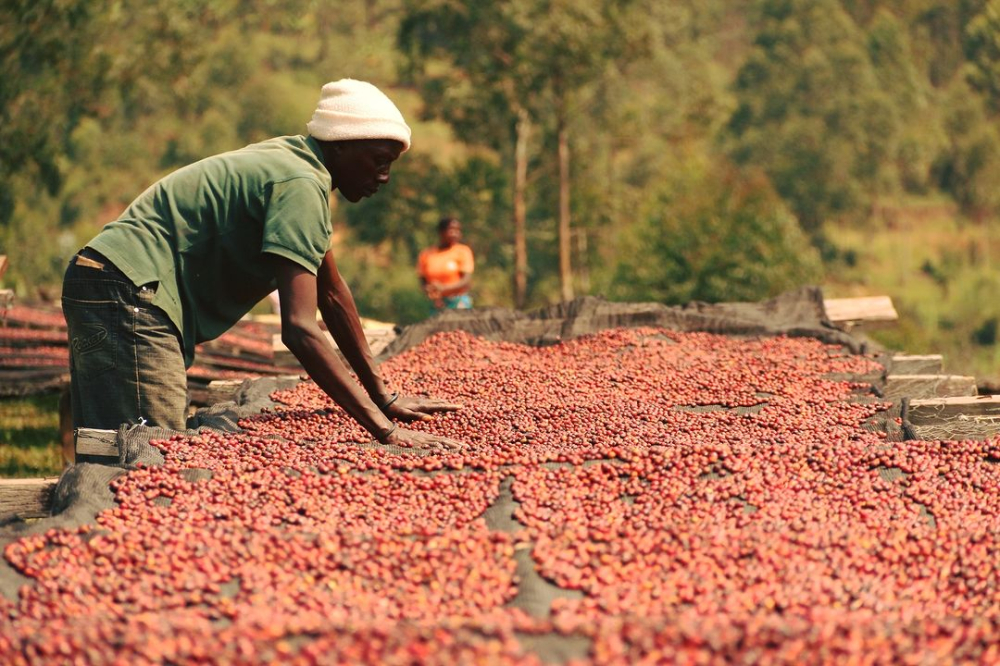
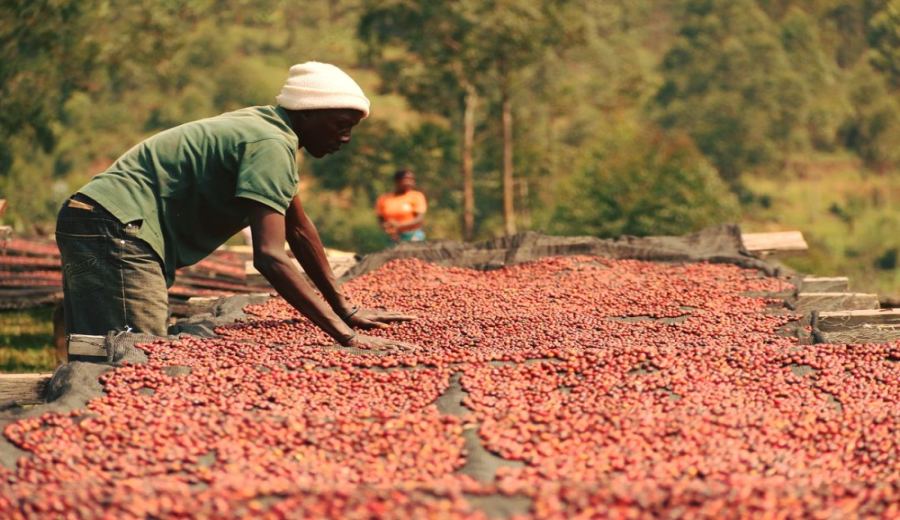
In Sidama, sun-drying is not simply exposure to the sun but an extremely refined craft. Farmers harvest the cherries when they reach uniform ripeness and immediately remove any defective beans. The red cherries are then evenly spread on elevated wooden racks or platforms to ensure good ventilation, preventing mold or the absorption of earthy off-flavors. During the drying process, the cherries are constantly turned to allow even heat distribution and dehydration. Typically, every three to five days, subpar beans are manually removed again. Only after the outer skin is completely dry and hardened is a hulling machine used to remove the outer layer, followed by a final screening to guarantee clean quality and taste in the green beans.
Thanks to these multiple processing steps, Hua Kui naturally exhibits pronounced fruity aromas and sweetness. It is well-suited for light to medium roasting to preserve its delicate flavor layers. Medium-dark or dark roasting, on the other hand, can easily cause the original floral and fruity notes to fade, turning the profile into something overly roasted, bitter, and heavy—losing the soul of Ethiopian coffee.
To cater to different brewing preferences, a specialty shop has specifically launched two single-origin versions of this variety: one medium-light roasted and the other medium roasted. For coffee lovers who prefer pour over or cold brew, the medium-light roasted version of this variety is the top choice. With a shorter roasting time, this bean retains more of its original floral and fruity acidity, offering a bright and refreshing taste that suits both hot and iced drinks, fully showcasing the vibrant character of Ethiopian coffee.
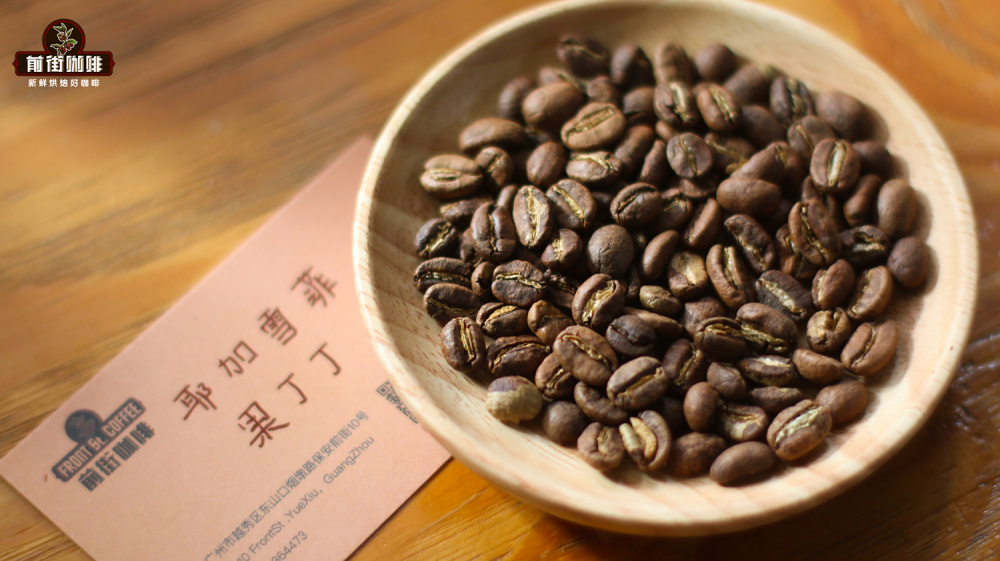
If you prefer espresso or milk-based coffee drinks, then the medium-roasted Hua Kui SOE is a more fitting option. The moderate roast brings about a gentle caramelization reaction, imparting the coffee with richer fermented fruity aromas and sweetness. Whether you’re making a Hua Kui SOE Americano or a latte, it delivers a more complex flavor and layered body, with smoother integration between the milk foam and coffee.
The latest crop of sun-dried G1 Hua Kui showcases an even more intricate and enchanting flavor profile. In addition to subtle fermented wine notes, citrus, and mango fruitiness, it also carries honey-like sweetness and a hint of spice. The cup is rich and full-bodied with a thick mouthfeel and a long-lasting aftertaste, making it perfect for savoring slowly. Whether you’re a beginner just starting your coffee journey or an advanced enthusiast chasing layered flavors, you’ll find your ideal cup in this Hua Kui.
The above content is compiled by CoffeeHunters, a coffee news website.


