








Introduction:Many coffee beginners often wonder: how can black coffee without sugar have a sweet taste? In fact, this sweetness doesn’t come from actual sugar, but rather from the interplay of acidity and bitterness, aroma associations, and the lingering aftertaste. This article delves into the sources of coffee sweetness—from roasting transformations, acid-bitter balance, to aroma cues—and offers practical tips on how to enhance sweetness through brewing techniques and tasting methods. It also recommends several naturally high-sweetness coffee beans, allowing you to easily appreciate the layered charm of black coffee.
When first encountering specialty coffee, many people are puzzled by the idea that "black coffee can be sweet"—after all, no sugar is added, so why describe it as sweet? In reality, this kind of sweetness is a complex sensory experience, combining taste contrast, aroma association, and mouthfeel aftertaste, rather than just sugar detected by the taste buds. Once you understand this mechanism, you’ll discover that the flavor profile of black coffee is far richer than you might imagine.
The Truth Behind Coffee SweetnessIt all starts with the sugar compounds in green coffee beans. Green beans contain about 50% sugars, but only around 8% of these are obvious sweet components like sucrose, with the rest being oligosaccharides or insoluble fiber sugars. During roasting, these sweet precursors participate in Maillard reactions and caramelization, transforming into volatile compounds such as caramel and furans. Notably,dark roasting significantly breaks down sweet compounds, so medium to light roast beans are more likely to retain a foundational sweetness.
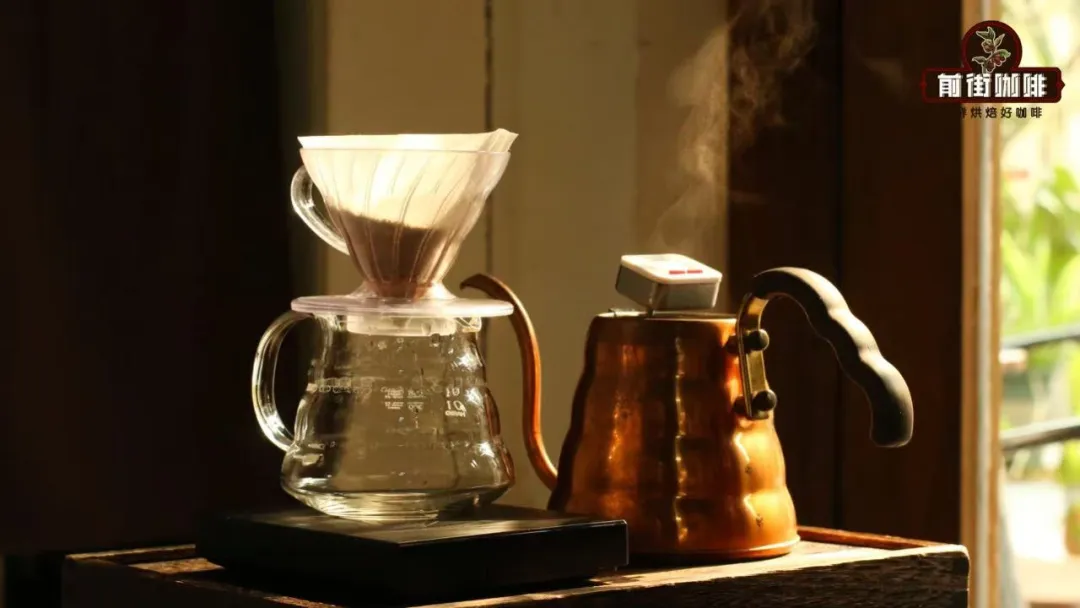
This “sweetness” is often not a direct taste stimulus, but rathera lingering aftertaste effect following acidity and bitterness. When acids like citric acid or quinic acid in coffee trigger salivary enzyme reactions, the subsequent contrast makes the sweetness more pronounced; similarly, bitter substances like caffeine and chlorogenic acid, as they fade in the mouth, can induce a natural sweet rebound. This phenomenon is akin to how water tastes sweeter after eating a lemon.
Smell contributes even more critically to sweetness.Retro-nasal olfactioncaptures aromatic compounds in the coffee vapors, such as furanone maltol and cyclopentenone, which are often associated with sweet memories like honey or maple syrup. When you smell the caramel or fruity sweetness emitted by coffee, your brain automatically associates it with corresponding sweet experiences—even if the actual sugar content is very low.
 To enhance the sweetness of coffee, you can focus on three aspects: bean selection, adjusting brewing parameters, and tasting techniques. First,choosing high-sweetness beanscan yield great results—such as beans with distinct berry notes (like strawberry sugar profiles), fermented Gesha varieties, or medium to light roasted Ethiopian Yirgacheffe. These beans usually carry natural fruit sugar aromas and bright acidity, which help create a favorable taste contrast.
When brewing, it’s recommended to usewater at 92-94°C and a medium-coarse grind sizeto achieve balanced acidity and bitterness through segmented extraction. For example, in pour over brewing, you can employ a “three-stage pouring method”: the first stage uses a small amount of hot water to wet the coffee grounds and release acidic aromas, the middle stage increases water flow intensity to bring out the main body of sweetness, and the final stage slows the flow rate to extract a rich aftertaste. A grind that’s too fine can lead to over-extraction and bitterness, which suppresses sweetness.
The details during tasting also affect how sweetness is perceived.Let the coffee liquid sit on your tongue for 5-8 seconds, holding your breath to intensify flavor concentration; after swallowing, exhale through your nose with your mouth closed to enhance retro-nasal olfaction of caramel or honey-like aromas. Pay special attention to the aftertaste—the best coffees gradually release sweetness in the lingering finish, similar to the layered melt of dark chocolate.

If you want to directly experience highly sweet coffee, consider starting with these beans: Ethiopian sun-dried beans with distinct strawberry sweetness, Indonesian Mandheling with a herbal sweetness, Brazilian Santos with nutty caramel notes, and Honduran beans offering a balanced citrus-honey profile. These beans, due to differences in processing methods and roast levels, showcase a diverse range of sweetness expressions—from bright fruity sweetness to deep caramel tones.
In summary, the sweetness of coffee is a blend of science and sensory art. Once you understand the mechanisms of sugar transformation, acid-bitter balance, and aroma psychology, you’ll be able to uncover unique dimensions of sweetness in every cup of black coffee—enjoying the full flavor journey without relying on sugar packets.
The above content is compiled by CoffeeHunters, a coffee news website.


