







Introduction:As a classic coffee-growing region in Ethiopia, Yirgacheffe has long been renowned for its bright floral and fruity notes. But when this pour over star bean transitions to espresso, what kind of flavor profile will it reveal? This article delves into the roasting characteristics and processing method differences of Yirgacheffe SOE, and explores its performance in espresso under medium to dark roasts—helping you find the Yirgacheffe espresso bean that best suits your taste.
The name Yirgacheffe is, for many coffee enthusiasts, almost synonymous with "bright floral and fruity flavors." Especially in the pour over realm, it has earned countless praises for its vibrant citrus acidity, delicate floral notes, and honey-like finish. However, when this single-origin bean, which excels in light to medium roasts, is used to make espresso, how does its flavor profile change? This article will take you through a comprehensive analysis of the diverse expressions of Yirgacheffe SOE, starting from roast level and processing method differences.
Generally speaking, Yirgacheffe beans on the market can be roughly divided into two main roasting categories. Among them, Yirgacheffe roasted to light to medium levels, due to shorter heating times, shows a light brown to light tan color on the surface, with a compact bean structure. It is suitable for extraction methods such as pour over, drip bags, cold brew, drip-style Americano machines, or even French press. This type of roast preserves its native floral and fruity characteristics to the greatest extent. It is recommended to try the washed process versions, which offer clean white floral notes and honey sweetness, or opt for the natural process ones that showcase tropical fruit acidity and sweetness—both allowing you to experience a bright citrus tone and refreshing mouthfeel.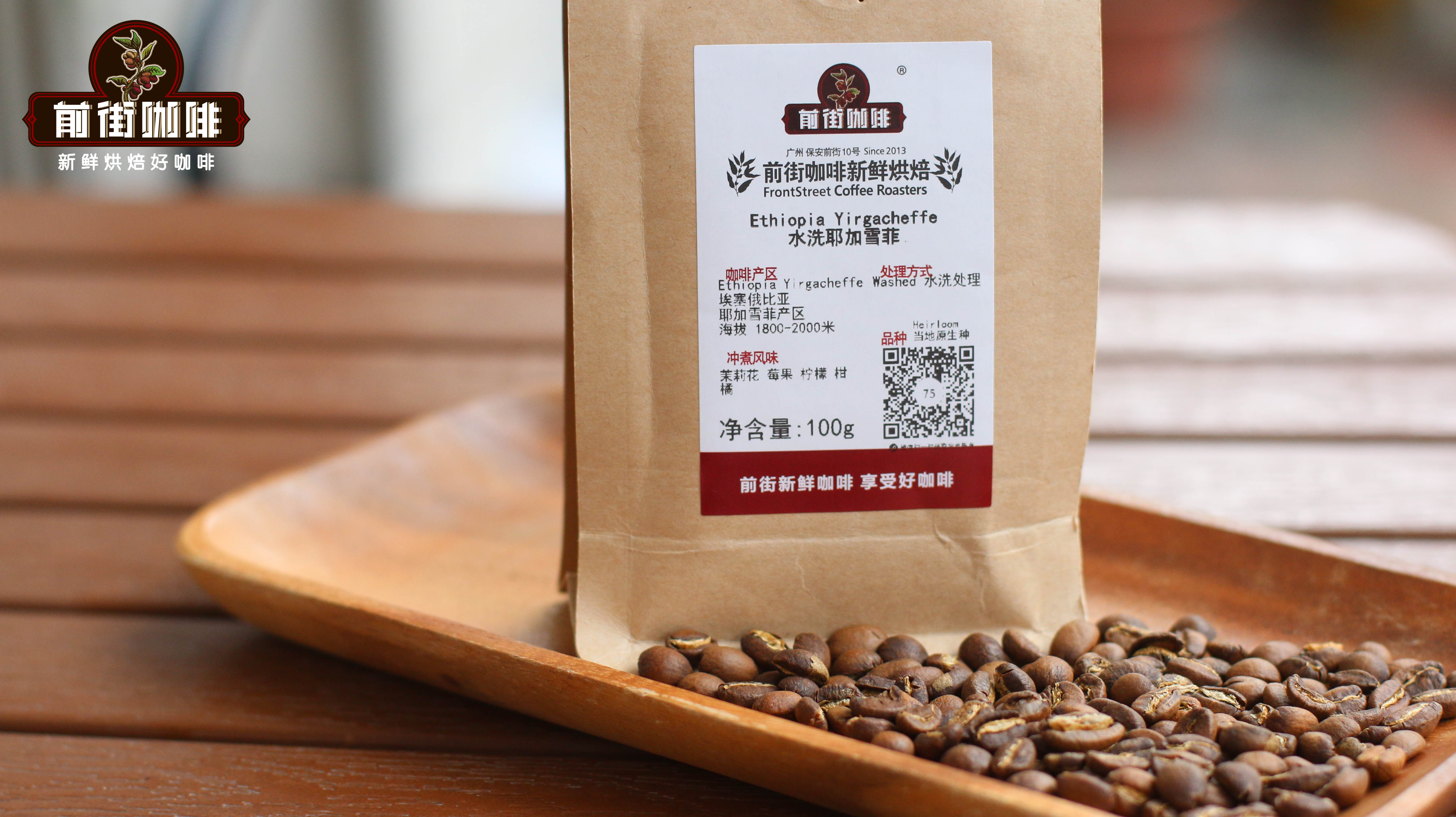
In contrast, if you want to use Yirgacheffe to make espresso, it is recommended to choose beans roasted to medium or medium-dark levels. This type of roast, due to longer heating times, turns the beans into a medium-dark brown, with the beans expanding and the structure becoming more porous. This not only helps release more body-rich compounds but also makes it easier to form rich crema during extraction, making it particularly suitable for use in espresso machines or moka pots. Under this roast level, although Yirgacheffe SOE may lack the extreme freshness of light roasts, it can present a rounder layering, with better balance between acidity and sweetness, and significantly reduced bitterness—making it easily acceptable even to those who are not accustomed to strong bitter tastes.
The so-called Yirgacheffe SOE, or Single Origin Espresso, is appealing because it highlights the unique terroir characteristics of the region. An SOE based on Yirgacheffe, whether made into an Americano or a latte, can present a flavor profile distinctly different from traditional blends—less heavy roastiness and intense bitterness, replaced by bold florals, lively fruit acidity, and delicate sweetness. The overall flavor structure is more three-dimensional, making it ideal for coffee lovers who pursue flavor details.
If you want to experience the rich fruitiness brought by the natural sun-drying process, pay attention to Yirgacheffe SOE made with traditional sun-dried methods. These beans, after harvest, first undergo a strict process of removing defective beans, then retain the complete pulp and skin, and are placed under the sun to naturally dry for three to four weeks. During this process, the green beans not only accumulate richer fruit aromas, but may also carry slight fermentation scents, bringing additional layers of flavor to the final extraction.
When selecting Yirgacheffe SOE coffee beans, it is recommended to prioritize suppliers with a solid reputation and a focus on specialty coffee, to ensure stable bean quality and high freshness. Generally speaking, freshly roasted beans reach their optimal flavor performance within five days after roasting, so it is advisable to choose products with recent roast dates and store them properly to avoid moisture or excessive oxidation. In addition, adjusting the grind size and extraction parameters appropriately according to the characteristics of your personal extraction equipment can further bring out the potential of Yirgacheffe SOE. Whether it's a straightforward espresso or a milk-based variation, it can showcase unique regional flavor charm.
The above content is compiled by CoffeeHunters, a coffee news website.


