







Introduction:When you walk into a café and want to try an espresso made with single-origin beans, you're actually exploring a brewing method that’s growing increasingly popular — SOE (Single Origin Espresso). This article takes an in-depth look at the flavor differences between Yirgacheffe SOE Americano and traditional blended Americano, helping you understand whether single-origin beans can stand up to the role of espresso. We also explain practical parameters and techniques from bean selection, roasting to extraction. Whether you’re new to coffee or a home brewing enthusiast looking to refine your skills, you’ll find useful guidance here.
Many customers walking into a café might ask curiously: “Can I choose a different bean for your espresso? Can you make it with a single-origin bean?” This seemingly simple question actually touches on a topic that more and more people are paying attention to — can single-origin coffee be used to make espresso? The answer is yes, and this practice, known as SOE (Single Origin Espresso), has gradually become a trend in the coffee community in recent years.
But SOE isn’t some unattainable technique. It simply replaces traditional espresso blends with single-origin beans from a specific region, and then extracts them using an espresso machine under high pressure. However, this switch can lead to a dramatically different flavor experience. So, what’s the difference in taste between a Yirgacheffe SOE Americano and a regular (mostly blended) Americano? Is SOE really superior? Let’s dive in and explore.
In fact, the concept of SOE has been popular overseas for over a decade, but in Taiwan or the Chinese-speaking market, it has only gained attention in recent years, so many consumers are still unfamiliar with it. Simply put, SOE refers to using coffee beans from the same region or even the same farm to make espresso. Its appeal lies in highlighting the unique flavor characteristics of that region, such as bright acidity, rich floral and fruity notes, or distinctive sweetness.
However, a common misconception is: is SOE necessarily better than a blend? In reality, the overall performance of a cup of coffee depends on many factors — including the quality of the green beans, the roast profile, the condition of the equipment, the extraction parameters, and even the individual taste preferences of the drinker. Therefore, you can’t simply conclude that SOE is absolutely better than blends; instead, you should judge based on the overall flavor profile.
For example, some cafés’ blends, like a shop's “Strawberry Sugar Espresso,” are intentionally mixed with beans from Costa Rica, Panama, and Colombia, aiming to create a complex flavor profile with notes of rose, grape, dried fruit, and candy sugar. Such blends have their own unique design philosophy and market positioning.
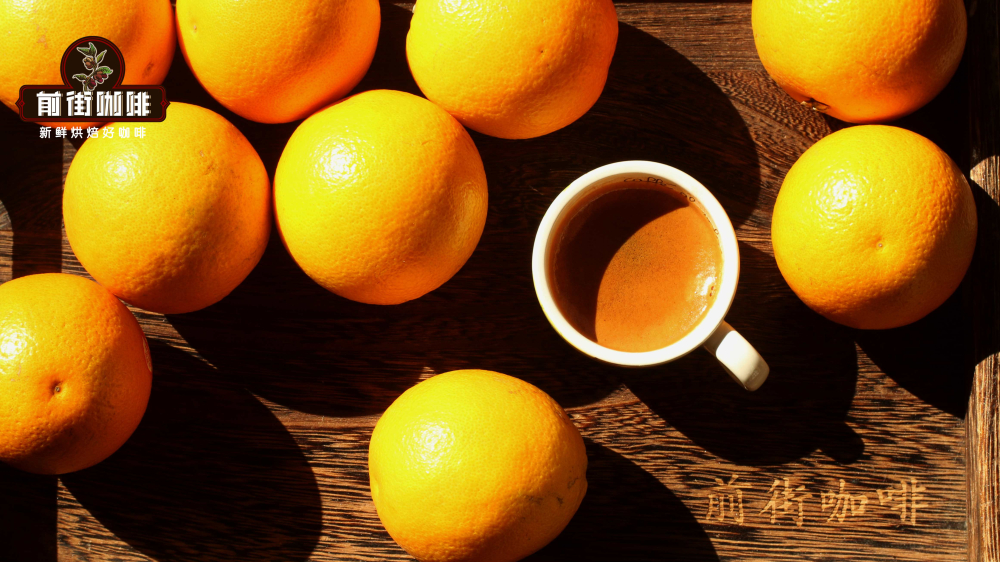
So, what’s the difference between a Yirgacheffe SOE Americano and a standard Americano? Simply put, a Yirgacheffe SOE Americano is made by extracting a single-origin bean from the Yirgacheffe region as an espresso, then adding hot water to make an Americano. Yirgacheffe coffee is known for its delicate floral aroma, round mouthfeel, and often features distinct citrus and berry tones, as well as a lingering finish reminiscent of high-mountain black tea. When used for espresso, it may even show subtle layers of dark chocolate bitterness, delivering a clean, bright acidity and a long-lasting aftertaste.
If you enjoy espresso or milk coffee but want to experience the unique character of single-origin beans, then SOE is a choice worth trying. However, it’s also worth noting that not all single-origin beans are suitable for espresso. If the bean’s regional characteristics aren’t distinct enough, or if they fail to shine during extraction, the result may be less enjoyable than a well-balanced, smooth and mellow blend.
Additionally, the main difference between an Americano and a latte lies in the dilution medium: an Americano is diluted with hot water, while a latte is mixed with milk. If you choose to use SOE for a latte, the strong aroma of the milk might overpower the delicate flavors of the single-origin beans, so special attention should be paid to balancing extraction and milk foam.
It’s worth mentioning that SOE doesn’t always deliver consistent results, as coffee is ultimately an agricultural product. Beans from a single region can be affected by that year’s climate, rainfall, harvest conditions, etc., leading to slight annual variations in flavor — this is normal and nothing to worry about excessively.

So, if you want to try making SOE espresso at home, what should you pay attention to? First of all, just taking any single-origin bean and extracting it with an espresso machine won’t guarantee a delicious cup. Many people who try this at home may encounter issues like spraying, excessive acidity, or poor mouthfeel, and start to suspect there’s something wrong with their grinder or machine.
But in fact, the key often lies in the ‘roast level.’ To produce a good SOE espresso, choosing a roast level suitable for espresso extraction is very important. It’s generally recommended to go for beans roasted to a medium-dark to medium level, which can provide enough body and sweetness to balance the intense extraction of espresso. For example, one shop offers two single-origin beans suitable for SOE: one is “Hua Kui” with distinct strawberry aroma, and the other is the classic “Konga” Yirgacheffe. Just specify “espresso roast” when ordering.
Speaking of Yirgacheffe, it is a well-known sub-region within Ethiopia’s Sidamo area, recognized for its outstanding flavor profile and separated as a distinct region. Most of its coffee is processed via the washed method, with a small portion sun-dried. Yirgacheffe coffee often features bright lemon, floral, and fruity acidity, and is considered a representative of high-quality Ethiopian coffee. One shop’s retail location offers several Yirgacheffe options, including sun-dried Red Cherry Konga (suitable for pour over or cold brew, medium-light roast), washed Yirgacheffe, and washed beans from the Gedeo Cooperative, each with its own unique flavor direction, but all generally centered around citrus and berry notes.
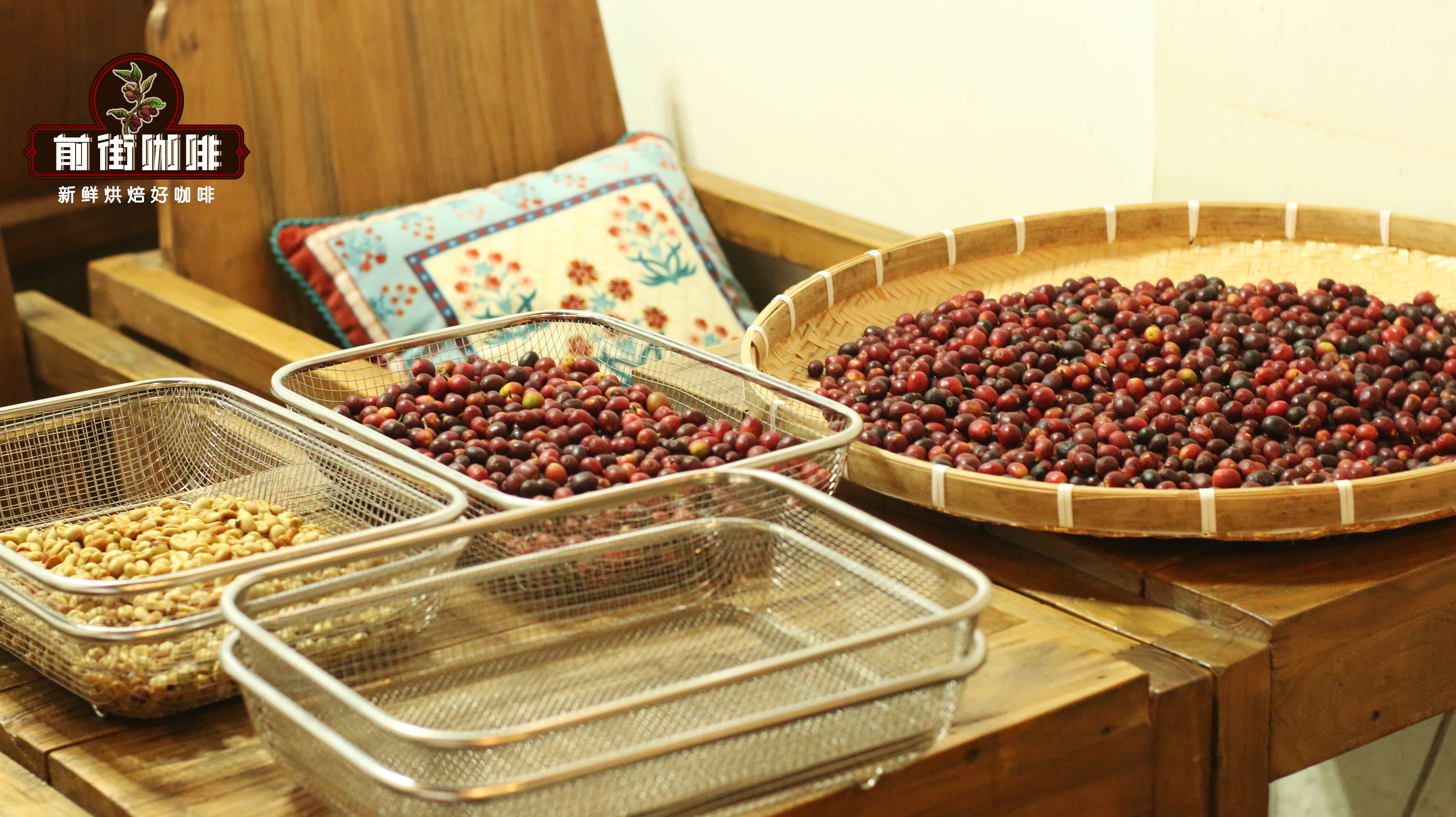
Among these, the Red Cherry Project (ORC) emphasizes handpicking only fully ripe red cherries, thereby improving bean consistency and quality, which also results in a more layered and distinctive final roast. The Konga Cooperative benefits from iron-rich red soil in its planting area, which aids photosynthesis and nutrient absorption in the coffee cherries, resulting in beans that often carry fruity acidity, sweet almond biscuit notes, and subtle floral aromas — making it an excellent choice for balanced lattes.
If you want to try making SOE espresso at home, it’s recommended to use a machine with stable pressure. Commercial machines like the Lelit Bianca can be adjusted up to 11 bar, while a home machine meeting the basic requirement of 9 bar will suffice. Pairing it with a capable grinder is even more crucial.
Below are practical SOE espresso extraction parameters for your reference:
Coffee Beans:[Shop Name]. Ethiopia · Sun-Dried Konga
Coffee Powder Amount:20g
Coffee Liquid Amount:40g
Powder-to-Liquid Ratio:1:2
Extraction Time:26~33 seconds
Grind Size:Galileo 2.0 Notch (equivalent to medium-fine grind)
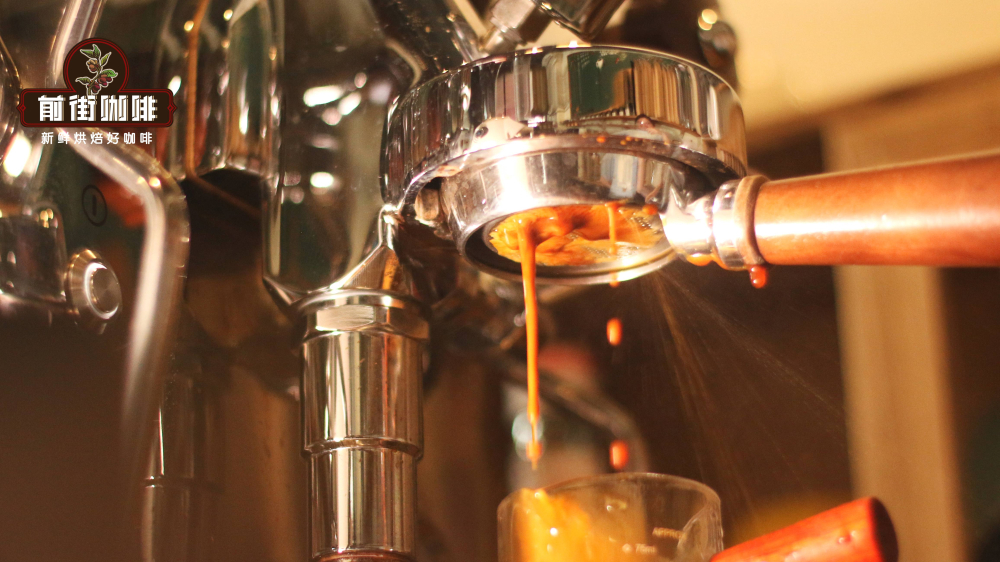
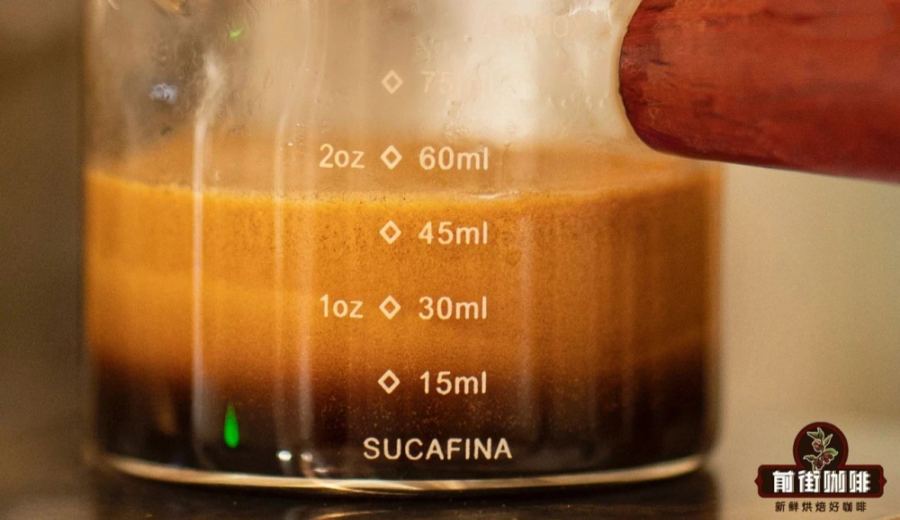
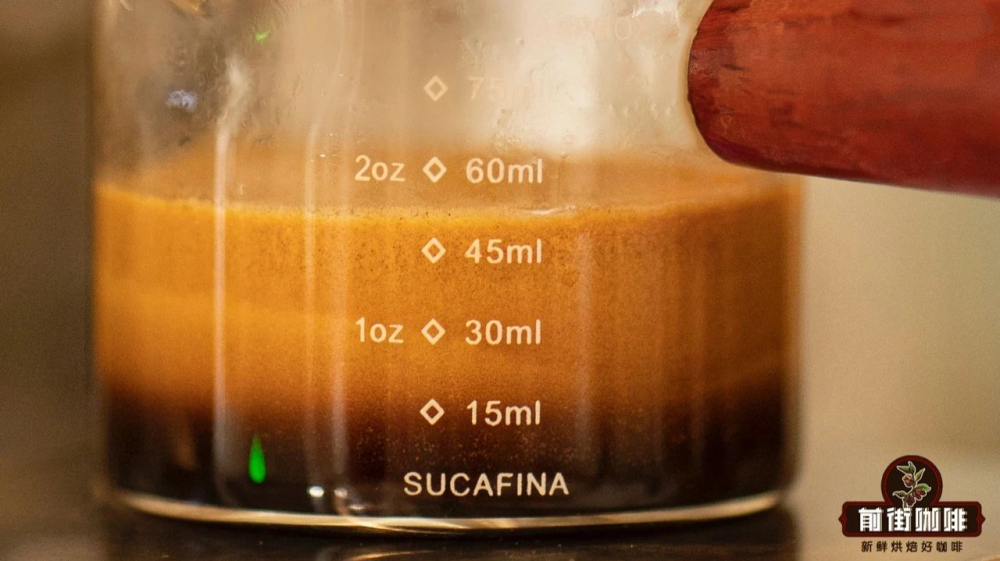
In actual operation, it’s recommended to use a double-shot basket (capacity about 18–20g), add 20g of coffee powder, distribute it evenly, and tamp the puck firmly to ensure stable extraction. First, release a small amount of hot water to pre-wet the group head, then attach the portafilter and begin extraction. When the extracted liquid reaches 40g and the time falls between 28–33 seconds, you’ve completed an espresso. You can then adjust to your taste by adding hot or iced water to make a Yirgacheffe SOE Americano.
If you want to further make a Yirgacheffe SOE Latte, it’s recommended to use a 1:6 coffee-to-milk ratio. Pour 40g of espresso into a preheated cup, then steam 240g of milk with a steam wand to 50–65°C to form fine microfoam, and combine it with the espresso to enjoy a rich and balanced SOE latte — it tastes like sipping cookies with a hint of lemon aroma, warm and satisfying.
The above content is compiled by CoffeeHunters, a coffee news website.


