








Introduction:Drip bags are favored by many coffee lovers for their convenience and have become a daily go-to choice. But do you really know how to brew them the right way? This article delves into whether drip bags can be brewed more than once, explores flavor differences across various coffee regions, and provides detailed brewing steps and parameter recommendations. Learn the correct techniques to easily brew a high-quality cup of black coffee with rich layers — from Mandheling to Yirgacheffe.
Drip bags combine convenience with the flavor profile of pour over coffee, making them a top choice for many busy modern coffee drinkers. However, there are still many questions surrounding their use: Can drip bags be brewed more than once? How do you choose the right bean variety based on personal taste? And what water temperature and brewing method should you use to achieve a rich yet balanced cup of black coffee? This article will start with the origins of drip bags, clarify common misconceptions, and help you understand how to select the most flavorful drip bag based on different flavor characteristics. Through detailed step-by-step guidance, you’ll be able to recreate a professional-level coffee experience at home.
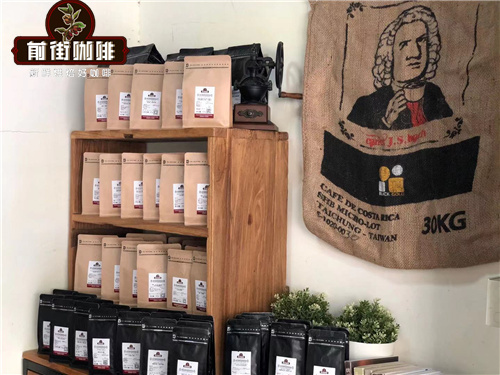
With the rise of the specialty coffee trend, more and more consumers are pursuing layered flavors and the joy of brewing. Whether it’s pour over, French press, or drip bags, choosing the right coffee beans and brewing method is key to enjoying coffee. Compared to visiting a café, drip bags offer more flexibility — just add hot water and a cup, and you can enjoy a cup of black coffee that’s close to pour over quality anytime, anywhere. However, to fully release the unique flavors of coffee, you need to select the drip bag that truly suits your taste from numerous options and brew it the right way.
Many people, when first trying drip bags, often wonder: Can this convenient coffee package be brewed multiple times like tea? The answer is no. The coffee grounds in a drip bag usually only weigh about 10 grams, and only around 3% of the flavor compounds within can be extracted.Generally speaking, drip bags are only suitable for brewing once.Brewing them more than once not only fails to extract more flavor, but can also lead to over-extraction, releasing excessive caffeine and impurities. This results in increased bitterness and a loss of the original balance of acidity and sweetness, as well as the coffee’s aromatic layers.
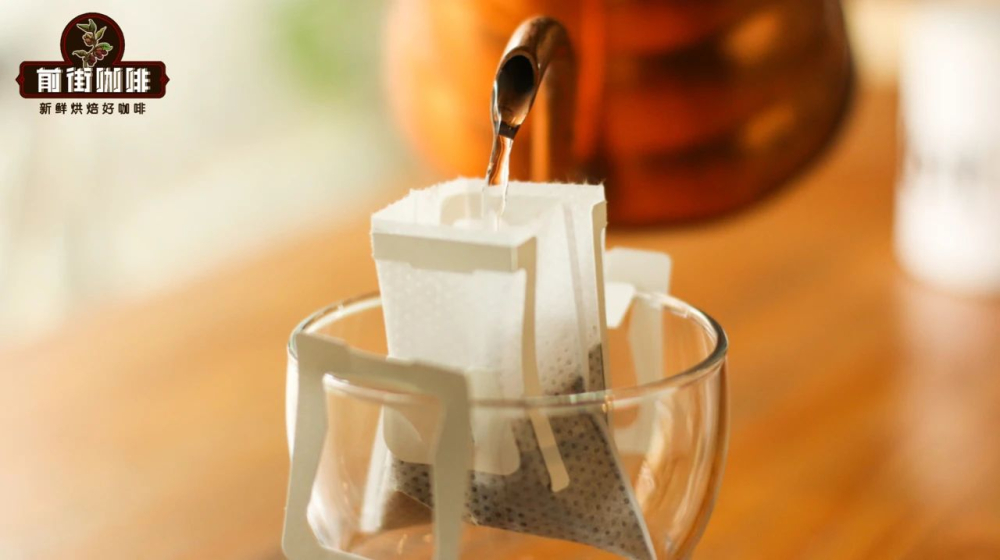
Some may think that as long as the coffee is still within its best-before date, brewing it a few extra times shouldn’t hurt. However, in reality, even if the coffee hasn’t expired, the flavor from the second or third brew has already significantly diminished.After the first brew, most of the desirable soluble compounds have already been released.What remains is merely a flat base flavor and excess caffeine, resulting in a taste that is neither rich nor enjoyable. Therefore, it is recommended to use a fresh, new drip bag for each brew to fully experience the flavor profile meticulously crafted for that particular bean.
Speaking of drip bags, we must mention their origin. This innovative packaging format was first developed and launched by Japan’s UCC Ueshima Coffee, combining the convenience of instant coffee with the flavor expression of pour over coffee. Upon its release, it quickly gained widespread popularity. To this day, drip bags have become a top choice for many families and office workers seeking specialty coffee. Without the need for complicated equipment, just hot water and patience are enough to enjoy a professional-grade brewing experience.
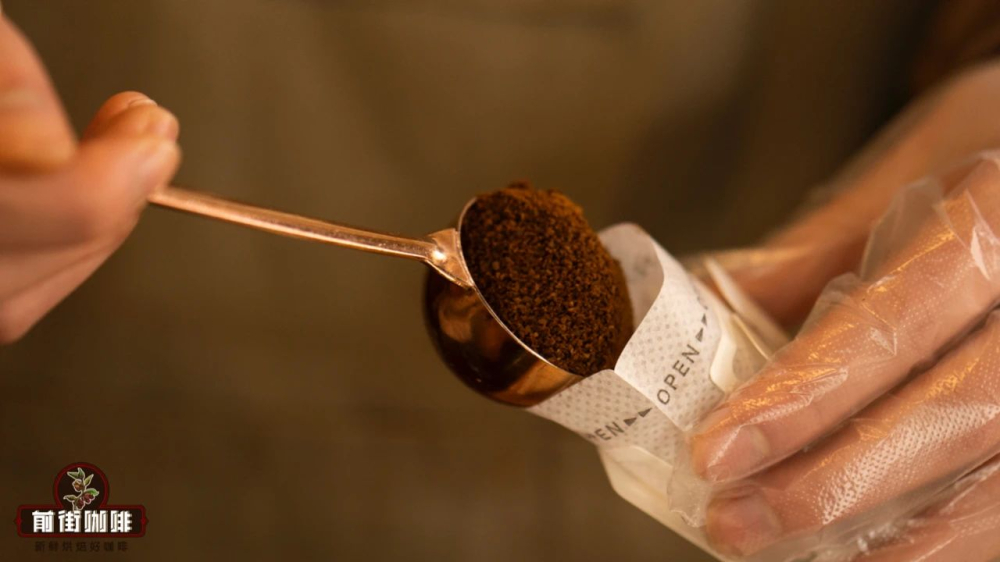
Choosing the right drip bag for yourself is the first step to enjoying a delicious cup of black coffee. First and foremost, it is recommended to pay attention tothe roast date rather than the expiration date,because coffee beans and grounds are most dependent on freshness. Only freshly roasted beans can showcase their full flavor potential. Additionally, it is advisable to avoid buying too many packs at once. If you cannot consume them within a short period, you might not only miss the optimal flavor window but also risk a decline in aroma due to storage conditions.
In terms of flavor options, drip bags cover a wide range — from the bold and rich Indonesian Mandheling, to the bright citrus notes of Yirgacheffe, to the distinct nutty and chocolatey profiles of Brazilian semi-washed beans. Each bean variety, due to differences in origin, cultivar, and processing method, presents a completely unique flavor profile. For example, Mandheling often features herbal, earthy, and woody undertones; Yirgacheffe is known for its lemon, floral, and citrus aromas; Brazilian beans often showcase sweet notes of nuts, caramel, and cream. Understanding these characteristics can help you choose the drip bag that best matches your personal preferences.
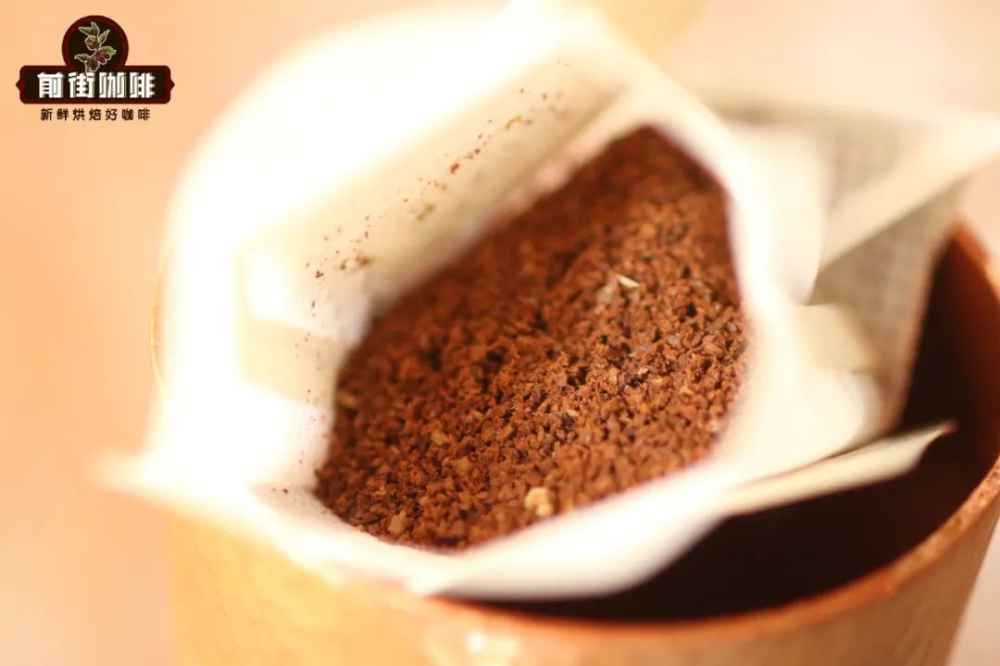
Brewing drip bag coffee may seem simple, but there are many details worth paying attention to. First, it is recommended to use medium-fine ground coffee, which strikes a balance between extraction efficiency and smooth mouthfeel. This avoids under-extraction from grounds that are too coarse or over-extraction and bitterness from grounds that are too fine. Regarding brewing parameters,light roasts are recommended to be brewed at 90–92°C,which can bring out the bean’s bright acidity and fruity notes;dark roasts are better suited to around 88°C,helping to balance the intense flavor and avoid excessive burnt bitterness.
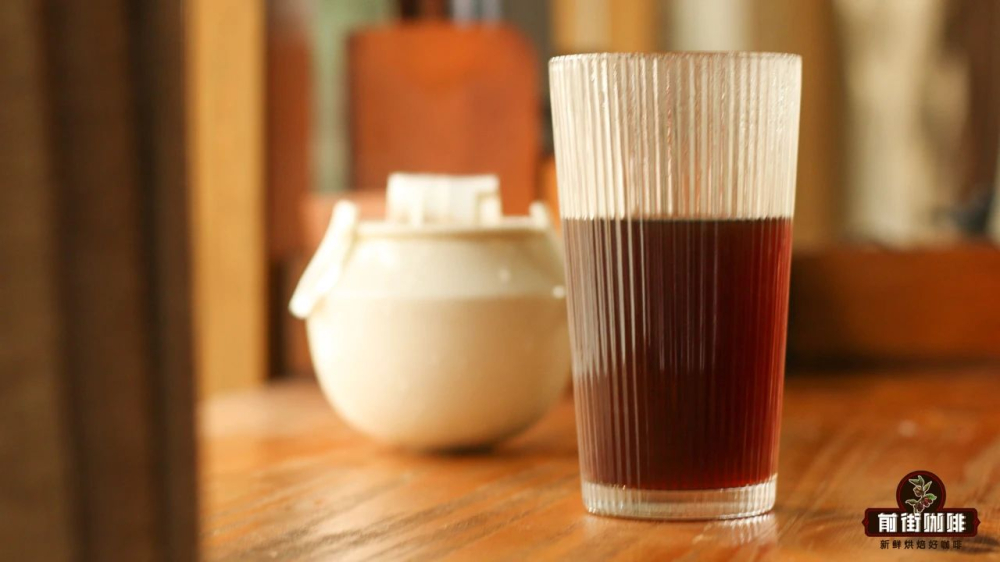
During actual brewing, you can follow these steps: first preheat your cup to help maintain coffee temperature and flavor; then pour an appropriate amount of hot water into the drip bag for pre-wetting, about 20 seconds, allowing the coffee grounds to fully absorb water and release aroma; afterward, use a steady thin stream of water to pour, with a total brew volume recommended to be controlled at 150–180cc. This not only maintains richness but also avoids over-dilution. Throughout the process, maintaining a stable water flow and proper pouring height helps ensure even extraction, showcasing the coffee’s fullest layers of flavor.
In summary, drip bags are a brewing option that combines convenience with flavor. But to truly experience their charm, the key lies in selecting the right bean variety, mastering the correct brewing parameters, and avoiding the misconception of re-brewing. Whether you prefer the bright and tangy profile of Yirgacheffe or the rich and steady taste of Mandheling, as long as you use the right method, you can easily brew a professional-grade cup of coffee at home.
The above content is compiled by CoffeeHunters, a coffee news website.


