







Introduction:Would you like to learn about the origins and spread of Typica coffee, as well as its current cultivation status in Yunnan? This article provides an in-depth yet accessible exploration of Typica’s botanical background and historical journey as a classic Arabica variety, analyzes its adaptability and flavor characteristics in Yunnan’s major producing regions, and includes practical tasting notes and precise pour over parameters for a well-known coffee brand’s 2013 natural Typica. It serves as a useful guide for coffee enthusiasts looking to get started with variety recognition and improve their brewing skills.
In the world of specialty coffee, variety is one of the core elements that determine flavor profile and quality potential. As the market mainstream, Arabica can be further divided into many classic lineages, among which Typica is not only one of the oldest varieties but also the ancestor of many renowned regional coffees. Originating in Ethiopia, it traveled through Yemen, India, Europe, and eventually reached Central and South America and Asia. Typica’s global footprint has profoundly influenced today’s diverse coffee culture.
When it comes to specialty coffee, variety, altitude, and processing method are three indispensable pillars in evaluating a coffee bean. Among the many varieties, Arabica stands out with its richer flavor layers and lower caffeine content, dominating the high-end market. For example, aside from a few espresso blends that add Robusta to enhance body, the vast majority of specialty coffees use purebred Arabica, with Typica being one of the most representative ancient lineages.
The history of coffee can be traced back to written records from the 9th century. According to Persian scholar Rhazes in his medical texts, a fruit called “bunn,” when boiled, could invigorate the mind and relieve headaches—this was the prototype of today’s coffee fruit. It is generally believed that Arabica varieties were introduced from Africa to the Arabian Peninsula around this time, gradually evolving into the coffee beverage we know today.
In the 17th century, botanist Linnaeus first scientifically named coffee as Coffea Arabica L., though he mistakenly believed the Middle East was its place of origin. It wasn’t until 2002, through genetic diversity analysis, that researchers confirmed the true origin was Ethiopia. Typica, as the most representative original type of Arabica, was officially given the scientific name Coffea arabica L. var. typica Cramer in 1913, with the term “typica” meaning “typical representative.”
Typica was first introduced to the Arabian Peninsula in the 9th century, where it sparked the coffee-drinking trend in places like Mocha and Aden in Yemen. The earliest methods of coffee consumption mostly involved crushing dried fruit pulp and brewing it in water, later evolving into roasting and grinding it with spices. Around the year 1600, an Indian pilgrim encountered coffee in Mecca, secretly carried seven seeds back home, and successfully planted them on the Ganjikuli Hills, marking a key moment in Typica’s introduction to Asia.
Subsequently, the Dutch obtained coffee seedlings from Yemen by various means and cultivated what became known as the “European mother plant” of Typica in Amsterdam. These seedlings were then sent to Java, French Martinique, Hawaii, and even across South America, becoming an important foundation for modern coffee cultivation. By the end of the 19th century, a French missionary introduced Typica to Yunnan, beginning this variety’s new journey in eastern Asia.
However, entering the 20th century, the outbreak of coffee leaf rust dealt a heavy blow to Typica. To combat the disease, Portugal bred Catimor in 1959—a high-yield, disease-resistant variety resulting from a cross between Timor and Caturra. Due to its strong adaptability and yield potential, Catimor gradually replaced Typica as Yunnan’s main variety, now accounting for over 90% of the market share.
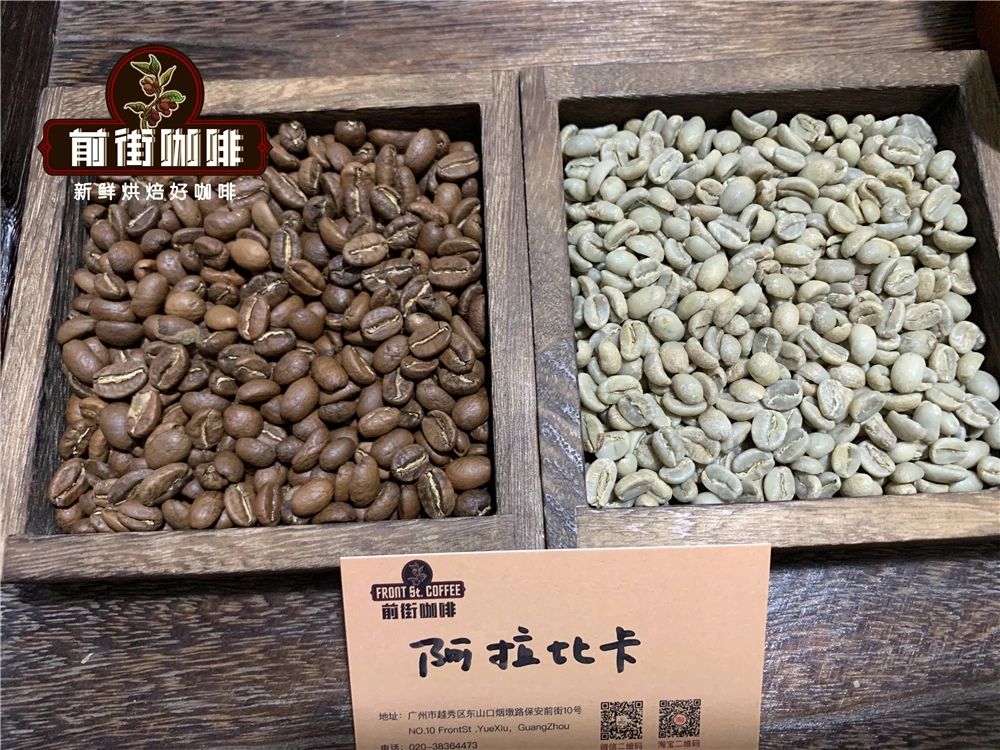
Although Catimor offers commercial value, its flavor profile is generally less complex than traditional varieties, and improper processing can easily result in off-flavors. However, as the specialty coffee concept takes deeper root locally, more farmers and technical teams are investing in improving cultivation and post-harvest techniques, enabling some Catimor beans to also showcase clean and layered profiles. Yunnan, with its high altitude, large diurnal temperature variations, and fertile soil, provides ideal conditions for Arabica growth, shaping a unique regional flavor that is “rich but not bitter, aromatic but not cloying.”
Yunnan’s main coffee-growing regions include:Dehong, known for its consistently high-quality small-bean coffee, enjoys a mild climate with little frost and altitudes mostly exceeding 1000 meters;Baoshan, where small-bean coffee is even a national geographical indication product, originally introduced by overseas Chinese from Southeast Asia and long praised in international markets;Lincang, located near the border and influenced by the Lancang River climate, is one of the areas where we chose to grow Typica;Pu’er, though famous for tea, is also Yunnan’s largest coffee-producing region, with a planting area of over 780,000 mu, leading the province in both output and production value.
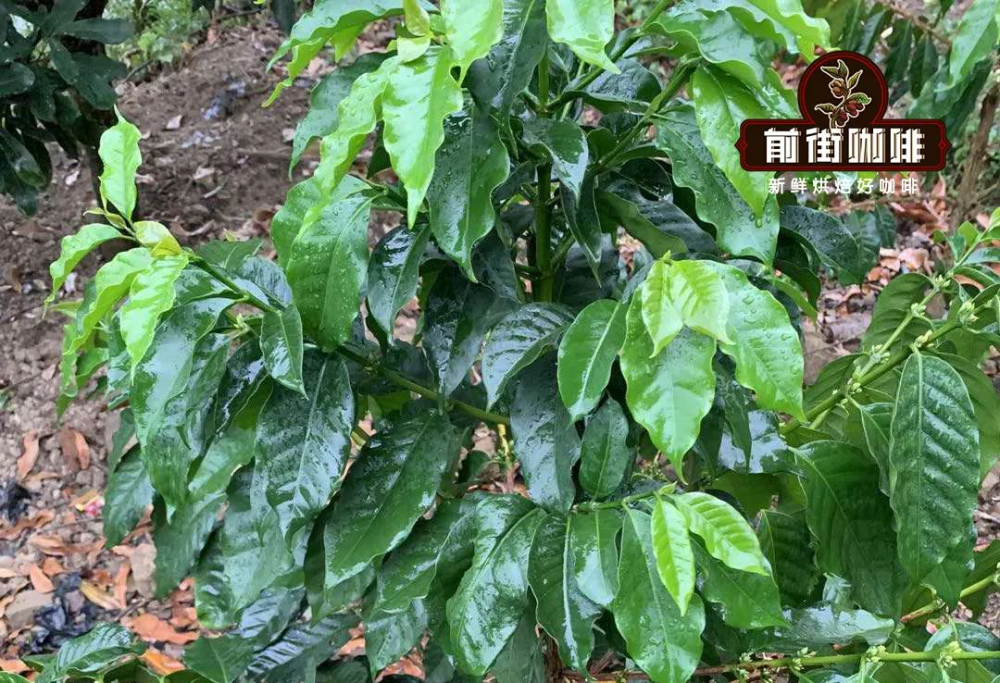
Speaking of Typica’s actual performance, its plant characteristics include bronze-brown young top leaves, a tall tree structure, narrow and elongated leaves, and sharply elongated beans. In terms of flavor, Typica excels in clear layering, often showcasing bright acidity, delicate mouthfeel, and diverse fruit notes, which is one of the reasons it is recognized as a classic high-quality variety. For instance, a well-known brand’s 2013 natural Typica exhibited aromas of brown sugar, nuts, plums, and preserved apricots, with a balanced and richly layered taste.
If you’d like to try pour over brewing this classic Typica at home, here are the recommended precise parameters based on practical testing: use a Hario V60 filter, 15 grams of coffee, water temperature around 90°C, and a grind size of approximately 75% passing through a #20 sieve. Employ a three-stage pouring method: the first pour adds double the coffee’s weight in water (about 30 grams) for a 30-second bloom; the second pour slowly circles in water up to 125 grams before a brief pause; the final pour brings the total to 225 grams, with the entire extraction time controlled around 2 minutes. This approach fully highlights Typica’s delicate acidity and rich aroma layers.
In summary, Typica is not only a significant chapter in the history of coffee varieties but also a starting point for many coffee enthusiasts exploring the essence of flavor. From its long history and winding path of dissemination to its performance under Yunnan’s unique terroir, Typica consistently showcases the unique charm of a classic variety. If you’re further interested in pour over brewing, coffee bean selection, or variety flavors, delving into Typica will be an immensely enlightening first step.
The above content is compiled by CoffeeHunters, a coffee news website.


