







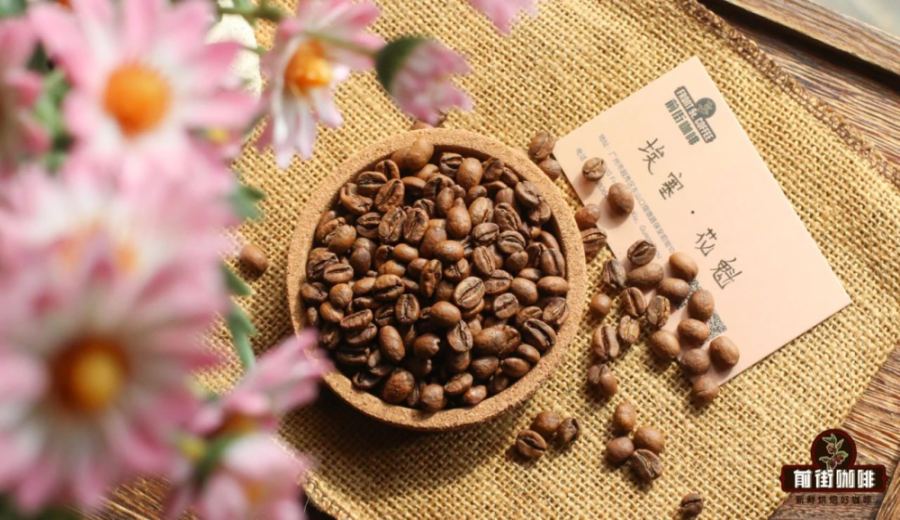
Introduction:Huakui coffee is a classic choice for many coffee beginners exploring specialty beans. It originates from the Guji-Hambella region of Ethiopia and is processed by the renowned Buku Abel washing station using a fully red cherry natural (sun-dried) method. This article delves into the natural conditions of the producing area, details of harvesting and processing, analyzes the variety characteristics and flavor profile of Huakui, and provides practical pour-over and drip bag brewing parameters to help readers fully appreciate the charm of this popular bean.
Huakui coffee is a classic entry-level option for many coffee enthusiasts taking their first steps into specialty-grade Arabica beans. It comes from Ethiopia’s Guji region, more precisely the Hambella area within that region, and is harvested and processed by the well-known local Buku Abel washing station. This coffee is most famous for its rich and layered Ethiopian-style floral and fruity aromas, often featuring bright berry and citrus notes, along with honey-like sweetness and a black tea-like finish.
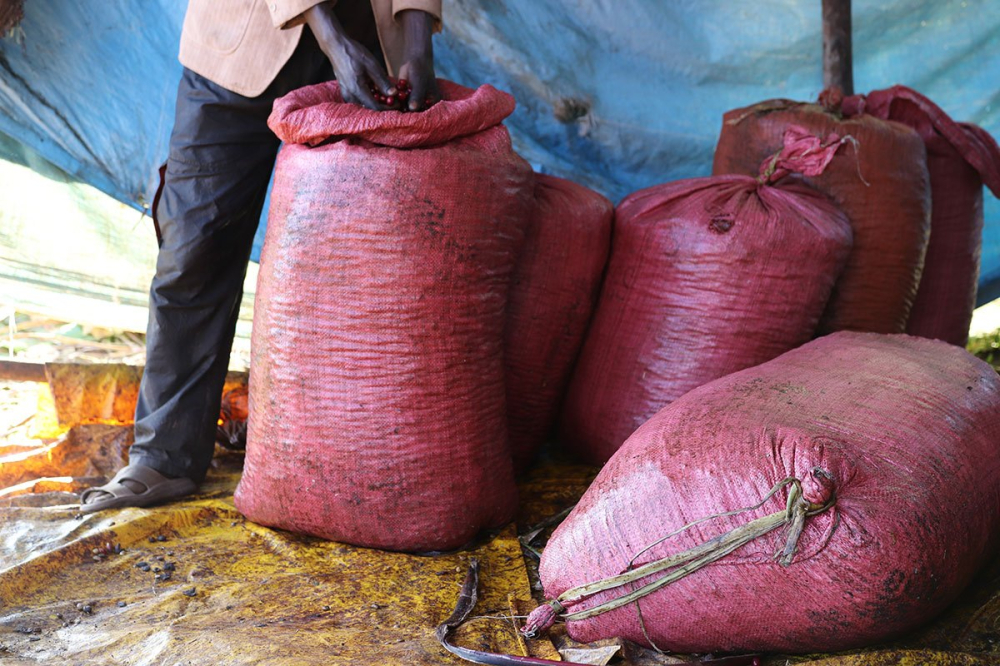
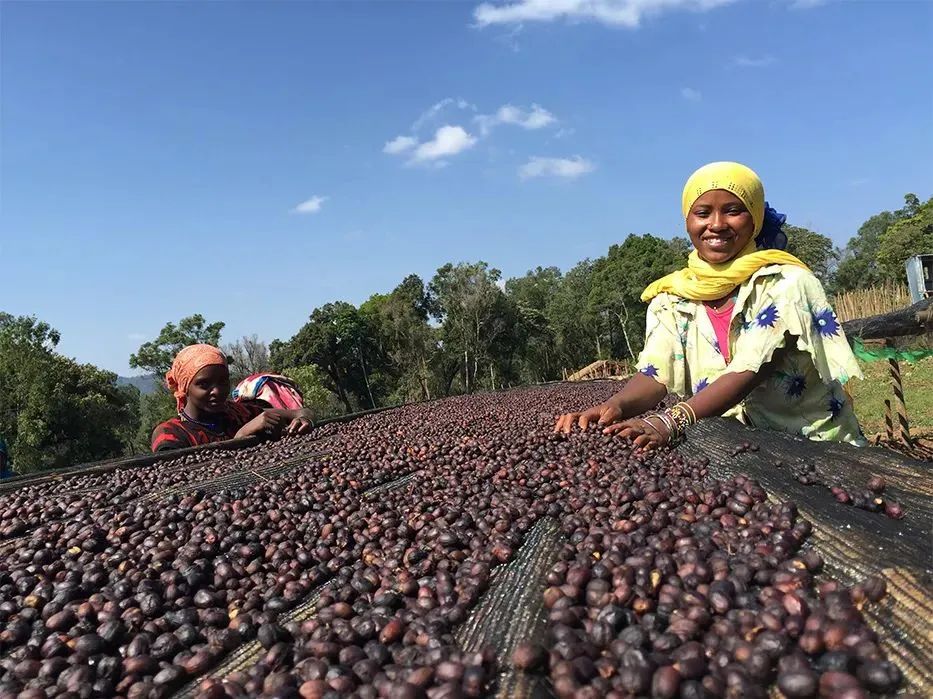
The Huakui coffee plants grow at altitudes exceeding 2,250 meters, with the actual altitude recorded for the roasted sample being 2,235 meters. The area enjoys abundant annual rainfall of over 1,200 mm, coupled with significant diurnal temperature variations, providing an ideal growing environment for the coffee cherries. Local farmers selectively harvest only fully mature, deep red cherries—known as fully red fruit—and rely entirely on manual picking to ensure fruit quality. The harvested cherries are then placed on African raised beds for sun drying. Throughout the process, the thickness of the cherry layer is strictly controlled, and the cherries are turned every 24 hours to ensure even drying. During processing, the cherries undergo slow fermentation in the farm’s naturally cool environment, especially at night when temperatures can drop to around 12°C, effectively suppressing off-flavors caused by over-fermentation.
The harvesting and sun-drying process for Huakui mainly takes place from December to January of the following year, during which climatic conditions are crucial to flavor development. Sun drying only begins when the sugar content of the red cherries reaches above 30. During the first two days of sun drying, the washing station pays special attention to maintaining appropriate moisture levels in the cherries to facilitate the initiation of sugar fermentation. Additionally, shading measures are taken during intense midday sunlight to prevent surface scorching of the cherries. In the event of unexpected nighttime rainfall, workers immediately cover the cherries with thick plastic sheeting to ensure the entire fermentation and dehydration process occurs under stable low-temperature conditions.
The coffee variety used for Huakui is a local landrace, and the beans are not uniform in appearance—ranging from slightly round small grains to slightly elongated oval shapes. Overall, the beans are plump, with screen sizes mostly falling between 14 and 15 mesh. This diversity in shape is actually a common characteristic of Ethiopian coffee beans and has no direct correlation with the final flavor profile.
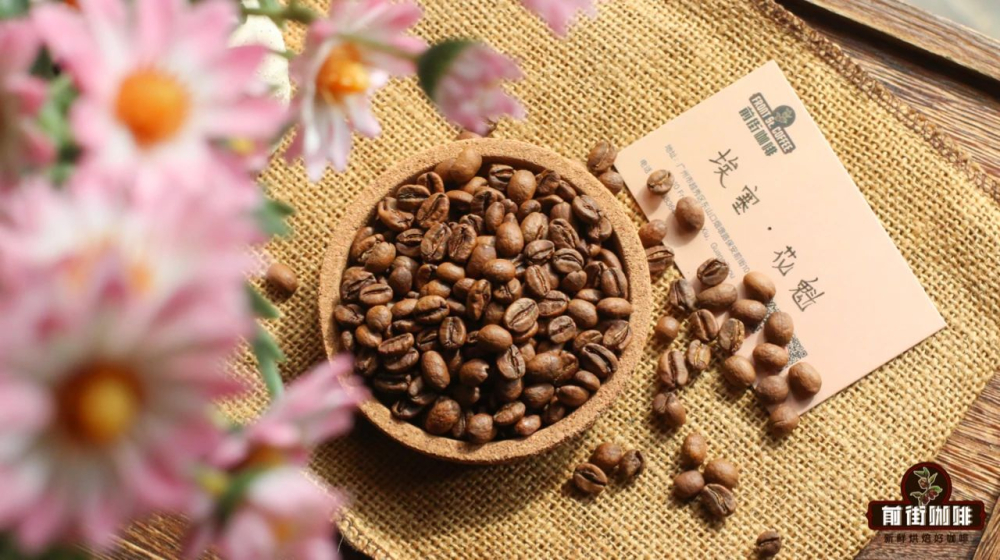
Taking a commonly available brand’s sun-dried Huakui as an example, it comes from Ethiopia’s Guji-Hambella region, is processed by Buku Abel, grown at an altitude of 2,235 meters, and roasted to a medium-light level. This coffee bean exhibits rich floral, berry, and citrus acidity with sweet tones, along with mango-like fruity notes, honey sweetness, and a lingering black tea-like sweetness in the aftertaste. The overall mouthfeel is clean and layered.
In terms of brewing methods, pour-over, drip bags, siphon pots, and clever drippers are all great choices for highlighting the flavors of Huakui, with pour-over and drip bags being the most recommended due to their ease of use and ability to showcase subtle details. For those with fast-paced lifestyles, it is recommended to try a certain brand’s Huakui drip bags, each containing 10 grams of ground coffee, yielding approximately 150 ml of black coffee. With its sweet and tangy aroma, it is perfect for busy professionals to enjoy daily. If time and equipment allow, pour-over brewing can better fully release its delicate floral and fruity aromas.
The freshness of coffee beans is one of the key factors affecting flavor performance. It is generally recommended to let the beans rest for 4 to 7 days after purchase until the degassing period is complete before brewing, at which point the flavors often reach their optimal state. Once opened, you can often detect a strong sun-dried fruity aroma, with the sweet scent of blueberries standing out particularly, accompanied by subtle tropical fruit and guava notes.
To brew a cup of Huakui coffee with balanced acidity and sweetness and a smooth mouthfeel, choosing the right filter is crucial. The V60 resin filter is commonly recommended, as it enhances aroma expression and showcases multi-layered acidity changes from hot to cold. In practice, a certain brand recommends using a medium-fine grind (close to the coarseness of fine sugar, with a reference of about 80% extraction rate through a Chinese No. 20 standard sieve), using 15 grams of coffee, a V60 filter, water temperature controlled at 91°C, a coffee-to-water ratio of 1:15, and a three-stage pouring method: first, pour double the amount of water (about 30 grams) over the coffee grounds for a 30-second bloom to release carbon dioxide and ensure stable extraction afterward; then pour in a small circular motion until reaching 125 grams for the first pour, continue pouring until the total water volume reaches 225 grams, then stop and let the filter drip dry before removing it. The total brewing time is about 2 minutes. Finally, it is recommended to gently swirl the brewed coffee before pouring it into the cup to achieve a more balanced flavor experience.
The above content is compiled by CoffeeHunters, a coffee news website.


