







Introduction:Honey processing is a highly distinctive method in coffee processing. By retaining the mucilage during drying, it imparts a richer sweetness and complexity to the coffee. This article delves into the origins and evolution of honey processing—from Brazil’s pulped natural to Costa Rica’s black, red, yellow, and white honey classifications—and explores the innovative raisin honey process. It also explains the key differences between honey processing and traditional washed and natural methods, helping you better understand the nuances of coffee flavor.
Among the processing techniques in specialty coffee, washed, natural, and honey processing are the three most common methods. Among them, honey processing has gained popularity among coffee enthusiasts and roasters for retaining the mucilage layer of the coffee fruit during drying, resulting in more balanced and layered flavors. From Brazil’s pulped natural technique to Costa Rica’s refined black, red, yellow, and white honey classifications, and the recently spotlighted raisin honey process, this technology continues to evolve, showcasing rich possibilities.
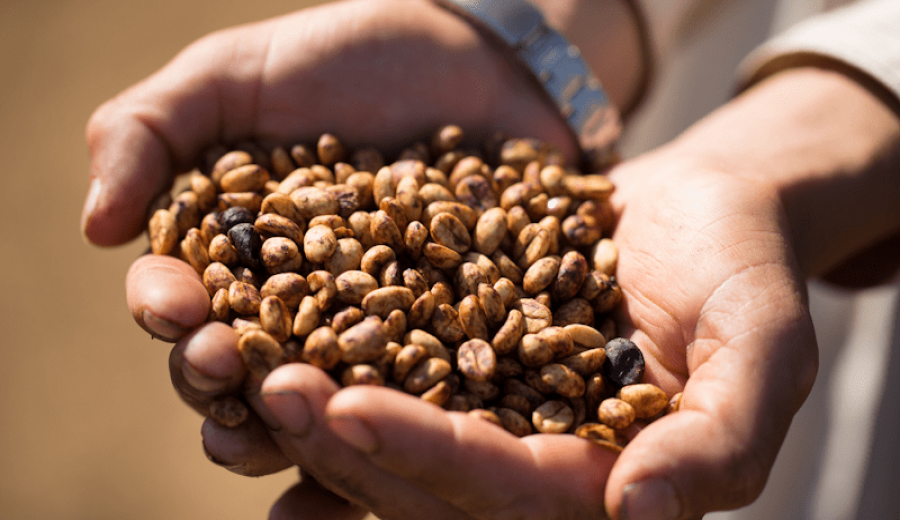
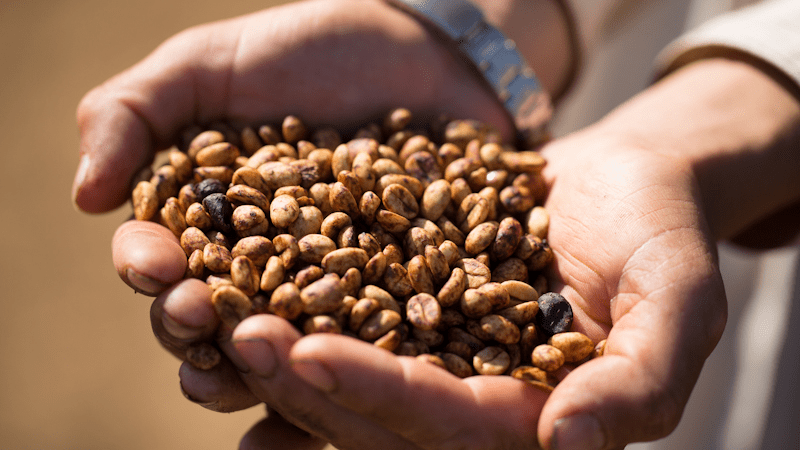
The key to honey processing lies in “mucilage retention.” Unlike washed processing, which removes the mucilage through fermentation, or natural processing, which dries the entire coffee fruit, honey processing involves removing the outer skin and some pulp while leaving the sweet, viscous mucilage layer on the beans during drying. This mucilage layer, with a texture similar to honey, is also the origin of the term “honey processing.”
The history of honey processing can be traced back to Brazil’s pulped natural method, also known as semi-washed. Due to the dry climate and limited water resources in certain regions of Brazil, traditional natural processing often produced off-flavors. As a result, local farmers began experimenting by first removing the skin and then sun-drying the beans. This method not only shortened the drying time but also effectively reduced fermentation risks, improving coffee stability and flavor expression. For example, a classic Brazilian semi-washed coffee often exhibits notes of cream, nuts, peanuts, and chocolate.
Subsequently, countries like Costa Rica, which originally primarily used washed processing, were inspired by Brazil’s approach. Combining their local rainy climate and shorter sunlight hours, they began adjusting the mucilage retention ratio and drying conditions, gradually developing a more refined honey processing grading system. Based on the amount of mucilage retained, it is generally categorized into four types: black honey, red honey, yellow honey, and white honey.
Among these, yellow honey processing typically removes about 40% of the mucilage and requires full sun exposure during drying, usually taking around 8 days. Red honey retains about 75% of the mucilage, removing only 25%, and to avoid overexposure, shading is often used, extending the overall drying time to about 12 days. Black honey, on the other hand, retains nearly 100% of the mucilage, so it has the longest drying time—typically at least two weeks—and requires covering to control temperature and humidity, ensuring sufficient sugar conversion and creating intense, complex flavors such as dark berries, floral notes, and caramel.
Beyond these common classifications, the recently emerged raisin honey processing is an innovative technique that breaks traditional frameworks. Its characteristic is that the entire coffee fruit is first pre-dried on raised beds until it shrinks like raisins, after which the skin and pulp are removed, followed by the subsequent honey processing steps. This method not only retains 100% of the mucilage but also involves “zero water processing,” significantly increasing the difficulty and risk of processing, but also imparting the coffee with richer sweetness and fruity aromas.
It is understood that raisin honey processing demands extremely precise control over drying time and environmental conditions, requiring accurate management of temperature and humidity changes. Any slight mishap could affect the final flavor. The coffee produced by this technique often features intense floral, grape, berry, and blackberry notes, making it an unmissable choice for coffee enthusiasts seeking an ultimate flavor experience.
In summary, honey processing accumulates more sweet substances and complex aromas in the coffee during drying by retaining the mucilage. Whether it’s traditional yellow, red, or black honey, or the innovative raisin honey process, all demonstrate the profound impact of processing methods on coffee flavor. If you enjoy the layered, sweet profiles in pour over coffee, try different honey-processed coffee beans to experience the unique charm brought by mucilage retention techniques.
The above content is compiled by CoffeeHunters, a coffee news website.


