







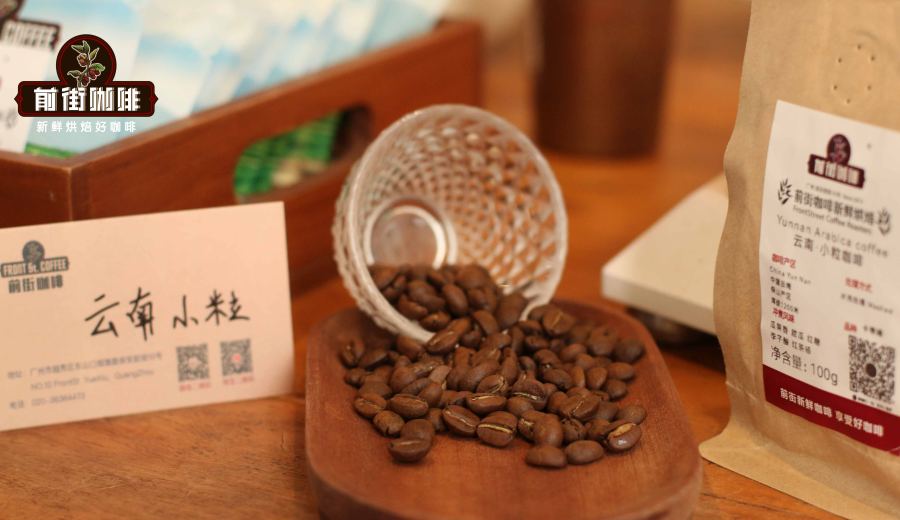
Introduction:As an important coffee-growing region in China, Yunnan is known for its representative Typica variety, which is celebrated for its clean and balanced flavor profile. This article takes an in-depth look at Typica as one of the original Arabica varieties, exploring its characteristics from environmental adaptability and physical features to flavor expression. It also provides a detailed cold brew preparation process and key parameters to help you understand the unique qualities of Yunnan coffee and brew a smooth, layered cold brew at home.
Yunnan is one of China’s major coffee-growing areas, and the small beans produced there are predominantly of the Typica variety, showcasing the clear, balanced, and multi-layered qualities of specialty coffee. This article begins with the background of the Typica variety, discussing its significant role within the Arabica species, and then gradually analyzes its appearance, growing conditions, and flavor profile. Finally, it guides you through how to use the cold brew method to fully highlight the delicate flavors of Typica.
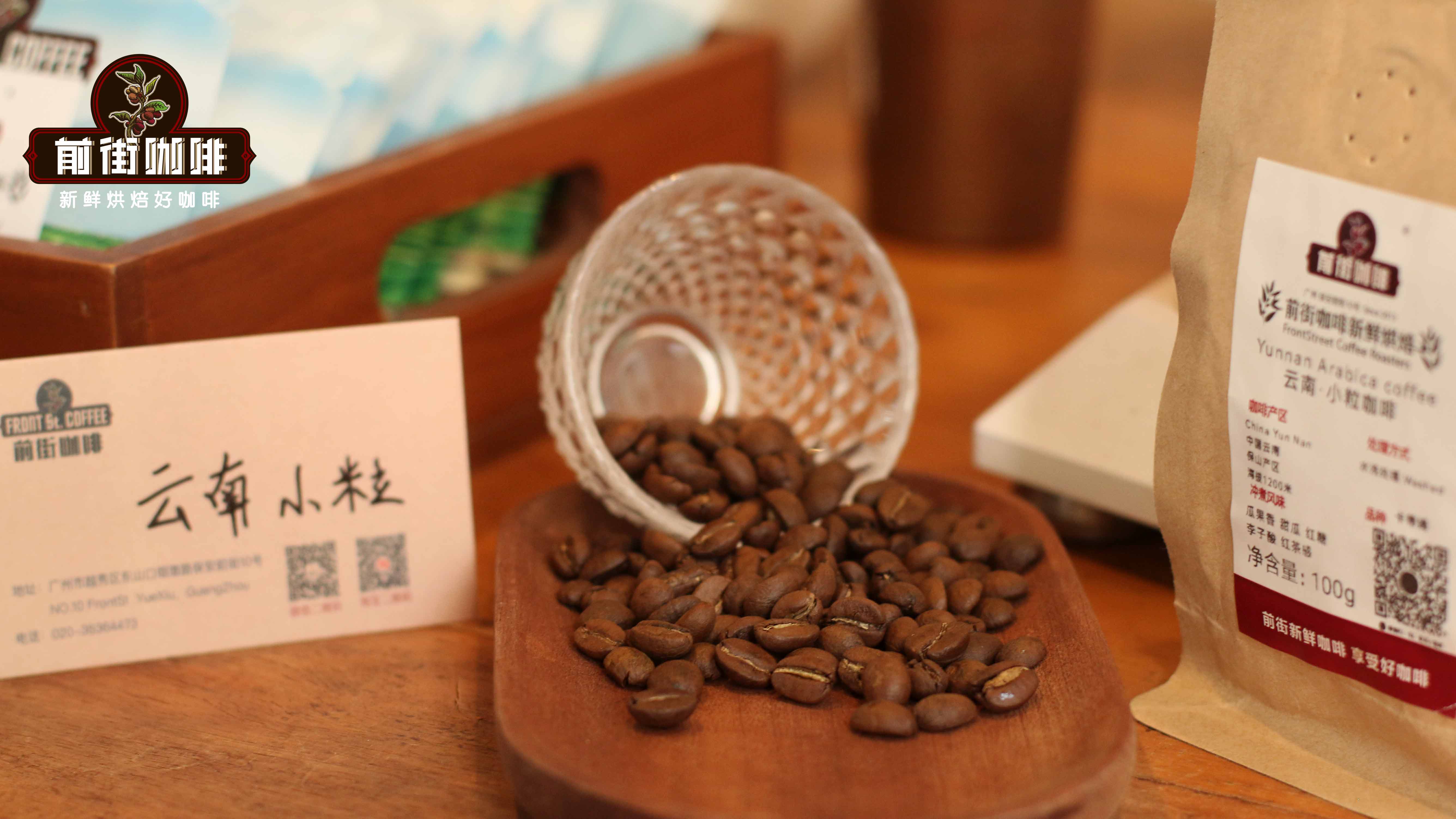
Arabica coffee, commonly known as small-bean coffee, originated in the highlands of Ethiopia in Africa and is one of the most popular types of coffee varieties in the world today. These coffee trees prefer to grow in high-altitude mountain environments of about 1,000 to 2,000 meters, and are relatively picky about climate conditions. The optimal growth temperature ranges between 15 to 24 degrees Celsius, with an annual rainfall requirement of over 1,500 millimeters, along with good drainage and moderate sunlight. Arabica plants are medium-sized shrubs with dark green oval leaves, and the coffee cherries they produce are also oval-shaped. Each cherry usually contains two seeds, with the beans being slightly flat in shape, featuring a long and slightly curved S-shaped central groove, while the back is relatively smooth. Its caffeine content is around 0.8% to 1.5%, which is relatively low, and this is also one of the reasons for its delicate flavor.
Arabica is renowned for its rich aroma and diverse flavor spectrum, making it suitable for single-origin enjoyment, and it is the main variety in many well-known producing regions such as Jamaica Blue Mountain, Indonesia Mandheling, Yirgacheffe, and Brazilian coffee. However, Arabica has weaker resistance to pests, diseases, and adverse climate conditions, especially being susceptible to leaf rust, thus requiring more meticulous management and varietal improvement in cultivation. Due to differences in altitude, microclimate, and soil, Arabica coffee produced in different regions often exhibits distinctly regional flavors, ranging from fresh fruity notes to rich caramel tones, showcasing its diversity.
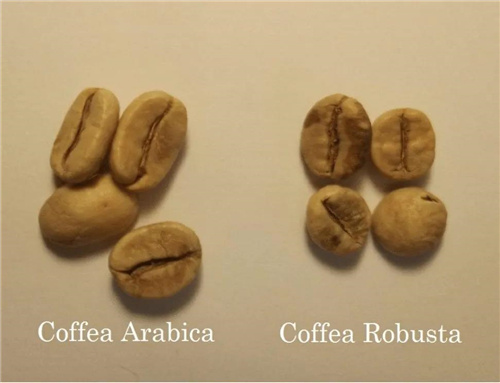
Among the many Arabica varieties, Typica can be considered one of the most historically significant and influential varieties. This variety originally originated in southern Ethiopia and Sudan, and was later widely cultivated in many parts of the Americas and Asia, serving as the original parent of many modern commercial varieties. Typica plants are tall, with an upright growth posture, but are relatively intolerant to strong light, and are suitable for growing in shaded environments. Their top young leaves exhibit a distinctive reddish-copper color, hence they are also called "red-top coffee." Typica coffee cherries are oval-shaped, growing on slightly inclined branches, with leaves and fruits typically arranged at angles of 50 to 70 degrees. The overall tree shape is elegant and highly recognizable.
Typica is regarded as one of the representative varieties of specialty coffee, with great flavor potential, but it has relatively low yields and weaker resistance to diseases, especially leaf rust, so it requires more effort and management in cultivation. The brand’s "2013 Yunnan Small Bean" is of the Typica variety, processed using the natural (sun-dried) method, and showcases the clean, soft, and balanced flavors unique to the Yunnan growing region. After brewing, it often presents a sweet-sour taste akin to dried apricots, nutty tones, and a natural brown sugar sweetness, with an aftertaste that exudes a tea-like finish. It is suitable for various brewing methods such as pour over, moka pot, French press, and even cold brew to highlight its delicate layers.
If you want to further experience the unique flavors of Typica, you might try extracting it via cold brew. The cold brew process is relatively simple, but because the extraction temperature is lower, the release of flavor compounds is slower. Typically, it requires mixing coffee grounds with cold water and letting it steep for 6 to 12 hours to fully extract the acidic, sweet, and sugary substances. It’s important to note that if the steeping time exceeds 12 hours, the coffee may release woody fiber off-flavors due to prolonged contact with water, affecting the overall purity of the flavor.
The recommended cold brew recipe is based on 50 grams of Typica coffee grounds. For single servings, it can be reduced to 20 grams. A medium-coarse grind size is suggested, similar to the texture of fine sugar, with about 85% passing through a standard #20 sieve. Place the coffee grounds in a glass container, add 400 milliliters of room temperature water and 200 grams of ice cubes (total liquid volume of about 600 milliliters) to form an ice-water mixture, with a coffee-to-water ratio of 1:12. Then, stir the coffee grounds and water evenly with a stirring stick to ensure there are no clumps, seal the container, and place it in the refrigerator for steeping.
The recommended steeping time is 8 to 16 hours, adjustable according to personal taste preferences. After extraction, use filter paper or a filter cloth to separate the coffee grounds, obtaining a clear cold brew coffee liquid. To enhance flavor concentration, you can pour the filtered coffee liquid into a clean sealed bottle and refrigerate it for about 4 hours before drinking. Depending on your preference, you can add ice cubes to adjust the mouthfeel, making the overall flavor more refreshing and suitable for coffee lovers who enjoy cold drinks in summer or prefer lower temperatures.
The above content is compiled by CoffeeHunters, a coffee news website.


