







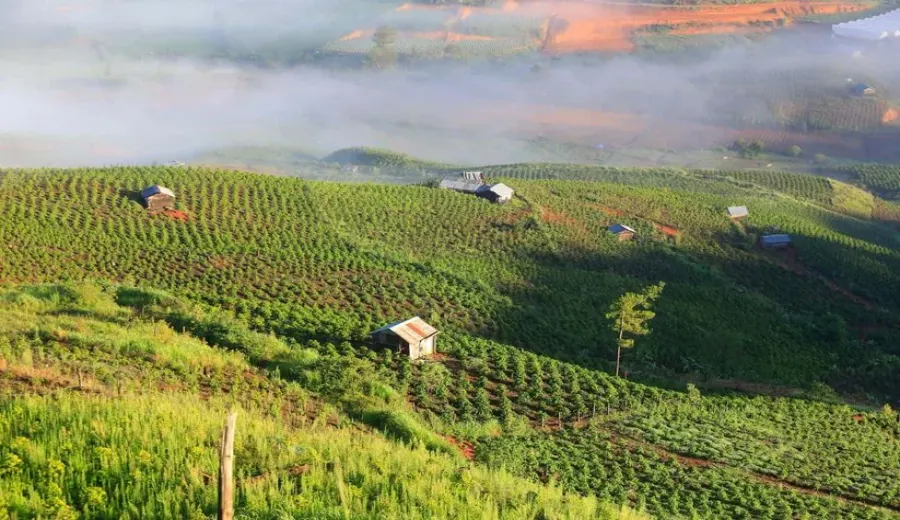
Introduction:As a globally significant coffee-producing region, Indonesia’s Sumatra Mandheling is renowned for its bold, full-bodied profile with herbal and dark chocolate notes. This article delves into the characteristics of Indonesia’s major coffee-growing regions, introduces you to the well-known brands and flavor variations of Mandheling coffee beans, and explains in detail how the wet-hulling processing method influences flavor. It also provides practical pour-over brewing parameters to help you select and brew the best-flavored Indonesian coffee.
Indonesia is not only a major coffee-producing country but also boasts a diverse range of island terroirs that nurture uniquely distinctive coffee varieties. Among them, Sumatra’s Mandheling coffee stands out with its bold, full-bodied taste and unique herbal and dark chocolate flavors, making it a favorite among dark roast enthusiasts. However, faced with numerous brands and regions, consumers often feel overwhelmed. This article will start with the historical background of Indonesian coffee, guide you through the characteristics of the main producing areas, and focus on brand choices for Mandheling coffee beans—particularly the differences and charm between a well-known shop’s Lin Dong Mandheling and PWN Golden Mandheling.
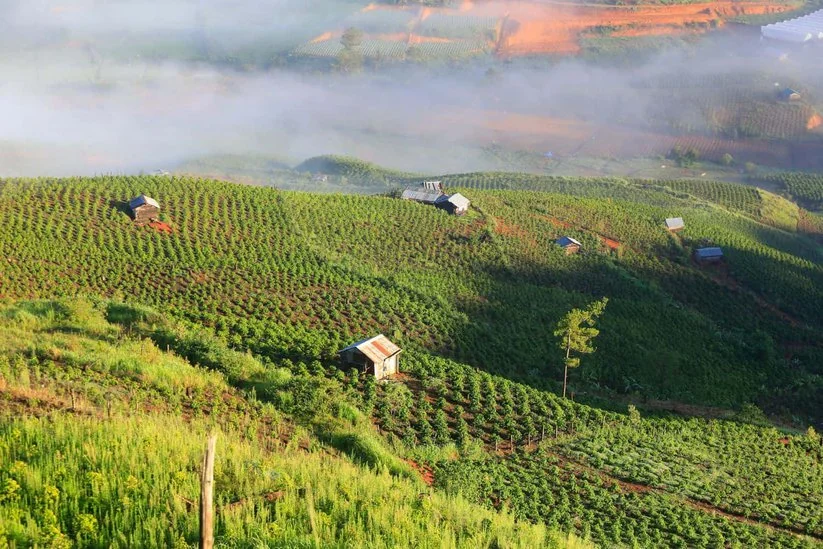
The history of coffee cultivation in Indonesia dates back to the 17th century, when the Dutch East India Company (VOC) introduced Arabica coffee trees to Indonesia in an effort to break the Arab monopoly on coffee trade. Initial plantings were concentrated around Jakarta (then known as Batavia), later expanding gradually to Java, Sumatra, Sulawesi, and Timor. Between 1725 and 1780, the VOC monopolized nearly the entire global coffee trade. Even after the severe outbreak of coffee leaf rust in 1876, which led to the mass death of traditional Typica varieties, Indonesia maintained its status as a major coffee-producing nation by introducing Robusta varieties. Today, over 90% of Indonesia’s coffee is still grown by smallholder farmers, with an average farm size of less than one hectare per household, resulting in diverse and unique local flavors.
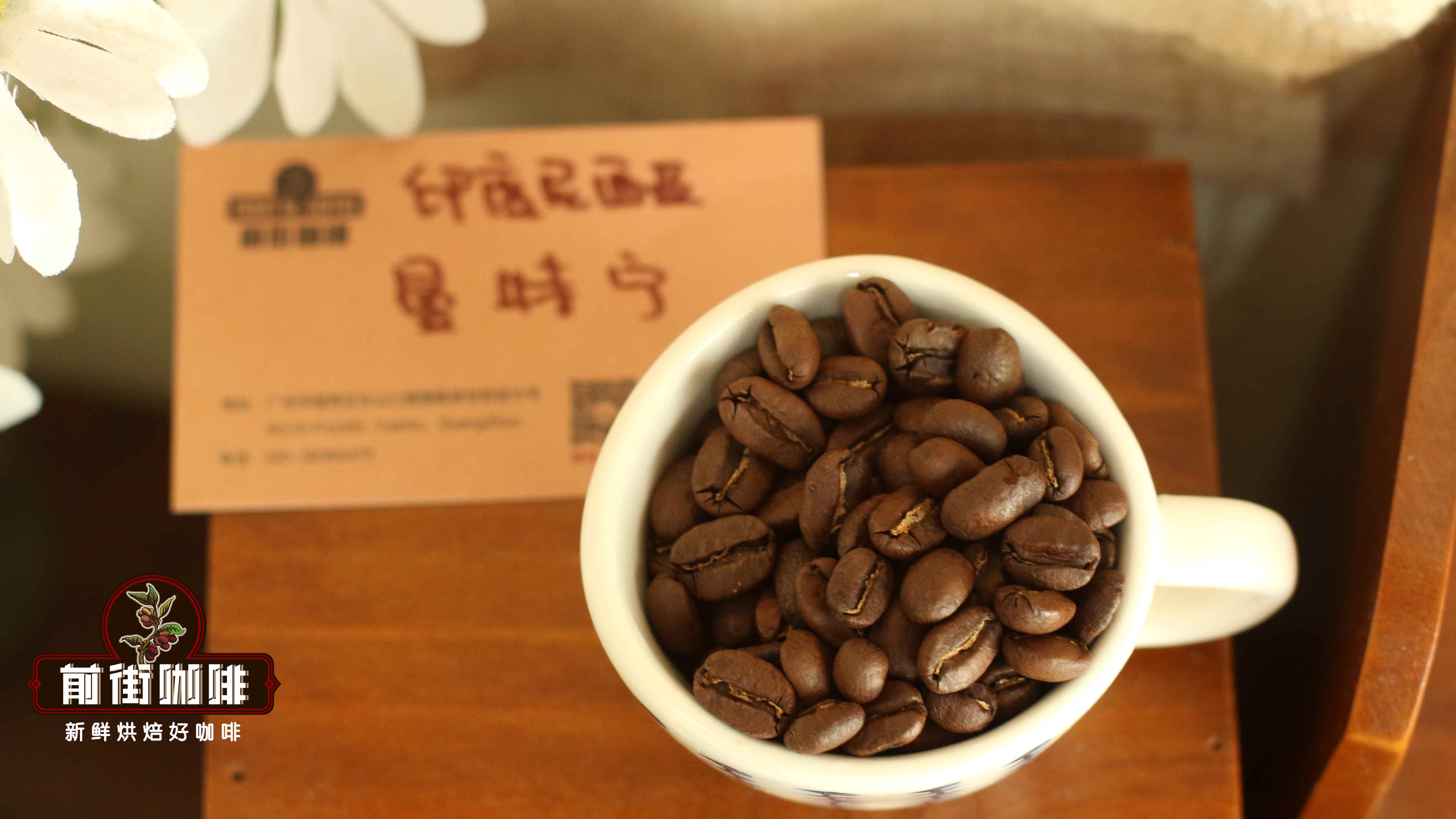
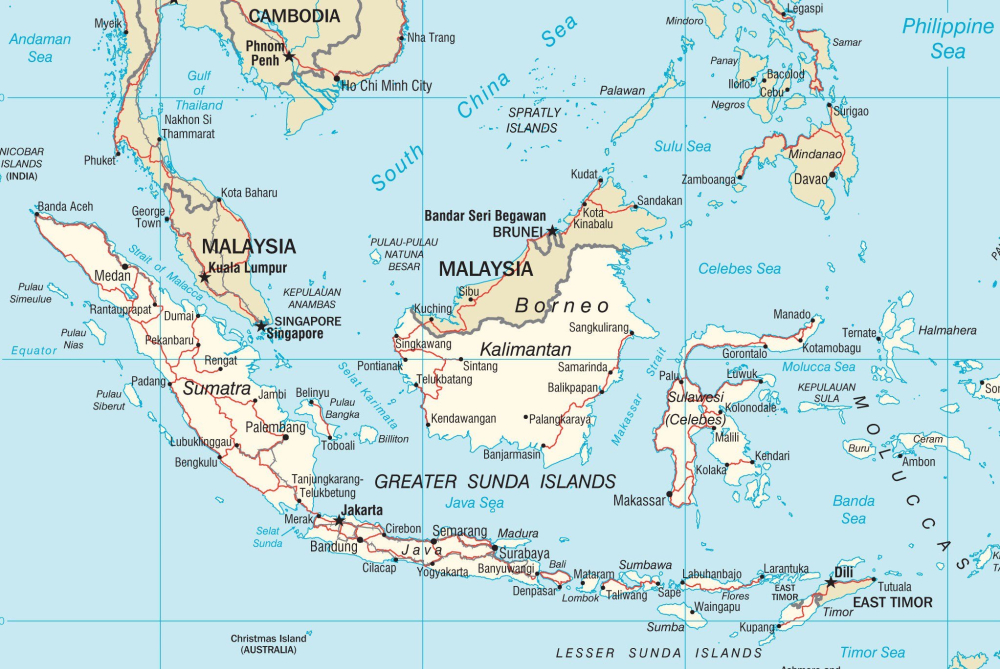
Sumatra is Indonesia’s largest island and the sixth-largest in the world. Its northwestern location gives it the earliest coffee harvest season in the country, lasting from November each year to March of the following year. The Mandheling coffee produced locally is known for its low acidity, bold and layered flavors, with common descriptors including earthy notes, herbal aromas, and dark chocolate tones. These characteristics stem partly from Sumatra’s unique volcanic soil, but more crucially, from the widely used “wet-hulling” processing method, which will be explained in detail later. Two Sumatran-origin coffees launched by a well-known shop—Lin Dong Mandheling and PWN Golden Mandheling—exhibit distinct flavor profiles: the former features dominant notes of toasted bread, nuts, caramel, and herbs; the latter showcases deeper layers of spice, nuts, dark chocolate, and caramel aromas, making it ideal for coffee lovers seeking complex flavors.
Java Island is not only Indonesia’s political and cultural center but also one of the country’s historically significant coffee-growing regions. As early as the 17th century, the Dutch East India Company introduced Arabica coffee here and established large-scale plantations in five government estates: Blawan, Tugosari, Pancoer, Jampit, and Kayumas. Javanese coffee is typically washed-processed, and compared to Sumatra’s earthy tones, it offers a cleaner, fuller body with pronounced molasses, clove, and fig aromas, along with relatively mild acidity—an excellent choice for those who enjoy balanced flavors.
Sulawesi Island (formerly known as Celebes) is located in eastern Indonesia, with its coffee primarily produced in the Toraja highlands of South Sulawesi, especially in the small farms of the Tana Toraja region. Compared to other Indonesian regions, Sulawesi coffee has a lighter profile but still features bright acidity and clear layering, with pronounced caramel sweetness and relatively restrained herbal and spice notes, occasionally accompanied by subtle floral hints—suitable for consumers who prefer a refreshing taste.
Although Flores Island is not large, its coffee-growing regions are mainly concentrated in the Bajawa town area at elevations of 1,200 to 1,800 meters. The rugged terrain and volcanic landscape, dotted with both active and dormant volcanoes, provide extremely fertile volcanic ash soil that creates ideal growing conditions for organic coffee. The coffee from this area often carries unique regional aromas and a fresh taste, making it a worthwhile exploration for enthusiasts seeking distinctive flavor profiles.
Bali is famous as a tourist destination, but its coffee-growing regions are equally noteworthy. The main planting areas are located in the Kintamani highlands between the Batukaru and Agung volcanoes. Here, the coffee benefits from volcanic soil and suitable altitude, showcasing pronounced acidity and fruity notes, with a refreshing and layered taste—standing out as one of the finest among Southeast Asian island coffees.
When it comes to Mandheling coffee, many mistakenly assume it refers to a place of origin—but it does not. The name originates from World War II, when a Japanese soldier asked a Sumatran local about the origin of the coffee. The local, misunderstanding the question as referring to their ethnic group, replied “Mandheling.” After the war, this uniquely flavored coffee gained immense popularity in Japan under the name “Mandheling” and became representative of Sumatran coffee. Notably, PWN (a well-known local green bean purchasing company in Indonesia) applies strict selection criteria to “Golden Mandheling,” using one mechanical sort and three manual hand-pickings to ensure every batch meets the highest G1 grade standard, significantly enhancing overall quality and consistency. PWN’s Golden Mandheling not only represents the high standard of Indonesian coffee but also has become a sought-after item among many specialty coffee shops and enthusiasts.
The most well-known and unique processing method in Indonesian coffee is undoubtedly “wet-hulling.” This traditional technique, also called “giling basah,” involves the following steps: first, the coffee fruit’s skin and pulp are removed, leaving the parchment and mucilage; then, the beans undergo water tank fermentation to remove the mucilage, followed by rinsing with clean water; next, the beans are sun-dried for 2 to 3 days with the parchment still on, reducing moisture content to 20–24%; afterward, the parchment is removed, and the green beans continue drying to an ideal moisture level of 12–13%, finally preparing them for export. The most distinctive feature of this method is that it accelerates the drying process, but it can also lead to a higher defect rate. Therefore, processing facilities typically arrange multiple hand-sortings, including double (DP) and triple (TP) picks, effectively reducing defects and enhancing the final flavor profile. A well-known brand’s Golden Mandheling is a classic example of wet-hulling, showcasing herbal freshness, pronounced caramel sweetness, and deep spice and dark chocolate tones, leaving a rich and sweet aftertaste in the mouth.
If you plan to brew Indonesian Mandheling coffee at home, the following parameters can serve as a reference: it is recommended to use a Kono filter, with water temperature controlled at 88–89°C, a coffee dose of 15 grams, a coffee-to-water ratio of 1:15, and a medium-coarse grind (using a Chinese No. 20 standard sieve, with a sieve retention rate of about 70%). The reason for choosing the Kono filter is its rib design, which is concentrated at the bottom, allowing the filter paper to fit tightly against the filter, effectively restricting airflow and extending the contact time between water and coffee grounds—thereby improving extraction efficiency and body. Specifically, start with a 30-gram bloom for 30 seconds, then pour water in small circles up to 125 grams for the first pour. When the water level drops and is about to expose the coffee bed, continue pouring up to 225 grams before stopping. Once all the water has dripped through, remove the filter to complete the extraction, with a total time recommended to be around 2 minutes. These parameters help fully highlight the boldness and layering of Mandheling coffee, delivering the most authentic Indonesian coffee experience.
The above content is compiled by CoffeeHunters, a coffee news website.


