







Introduction:As a highly anticipated natural-processed bean from Ethiopia’s Sidamo region, Huakui 8.0 is renowned for its intense floral aroma and tropical fruit notes. But how does this bean actually perform in espresso-based drinks such as espresso and latte? This article delves into the regional background, processing method, and version evolution of Huakui 8.0, and provides practical extraction parameters and flavor experiences for different beverages like espresso, Americano, and latte to help coffee enthusiasts master the brewing tips for this bean.
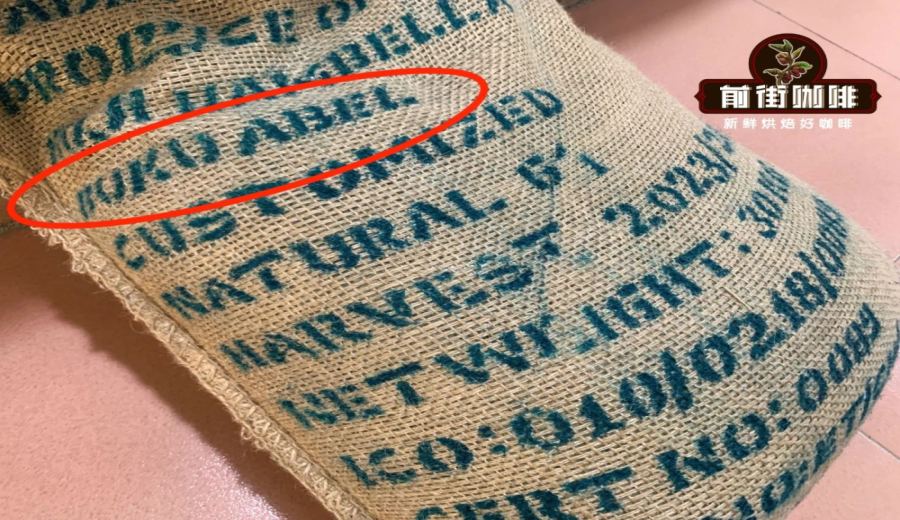
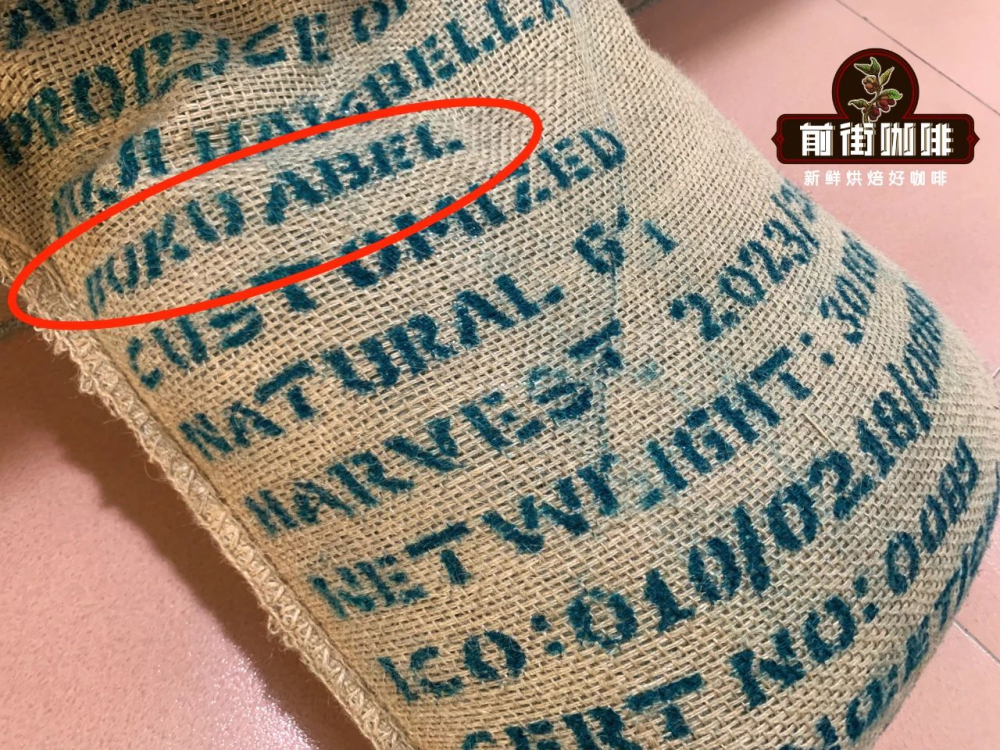
Huakui coffee originates from the Guji region of Ethiopia’s Sidamo, produced exclusively by the high-quality natural-processed beans of Buku Abel Estate. Since making its debut in Chinese coffee competitions in 2017, this bean has gradually built a reputation in the specialty coffee scene and is even regarded as a contender to well-known Geisha beans. Many coffee lovers wonder whether this fruit-forward bean is suitable for making espresso or milk coffee—such as SOE and latte—and what unique flavor characteristics it actually presents.
The name “Huakui” is actually inspired by the term “flower queen” from China’s ancient imperial examination system, symbolizing the queen of flowers and signifying the potential of this coffee to become a top-tier specialty product. Interestingly, its English name is often “Hambella,” the former name of the region where the beans are grown. However, not all natural-processed beans from the Sidamo region can be called Huakui—only those produced by Buku Abel Estate qualify for this title, which is why some people directly refer to the estate as the “Huakui Estate.”
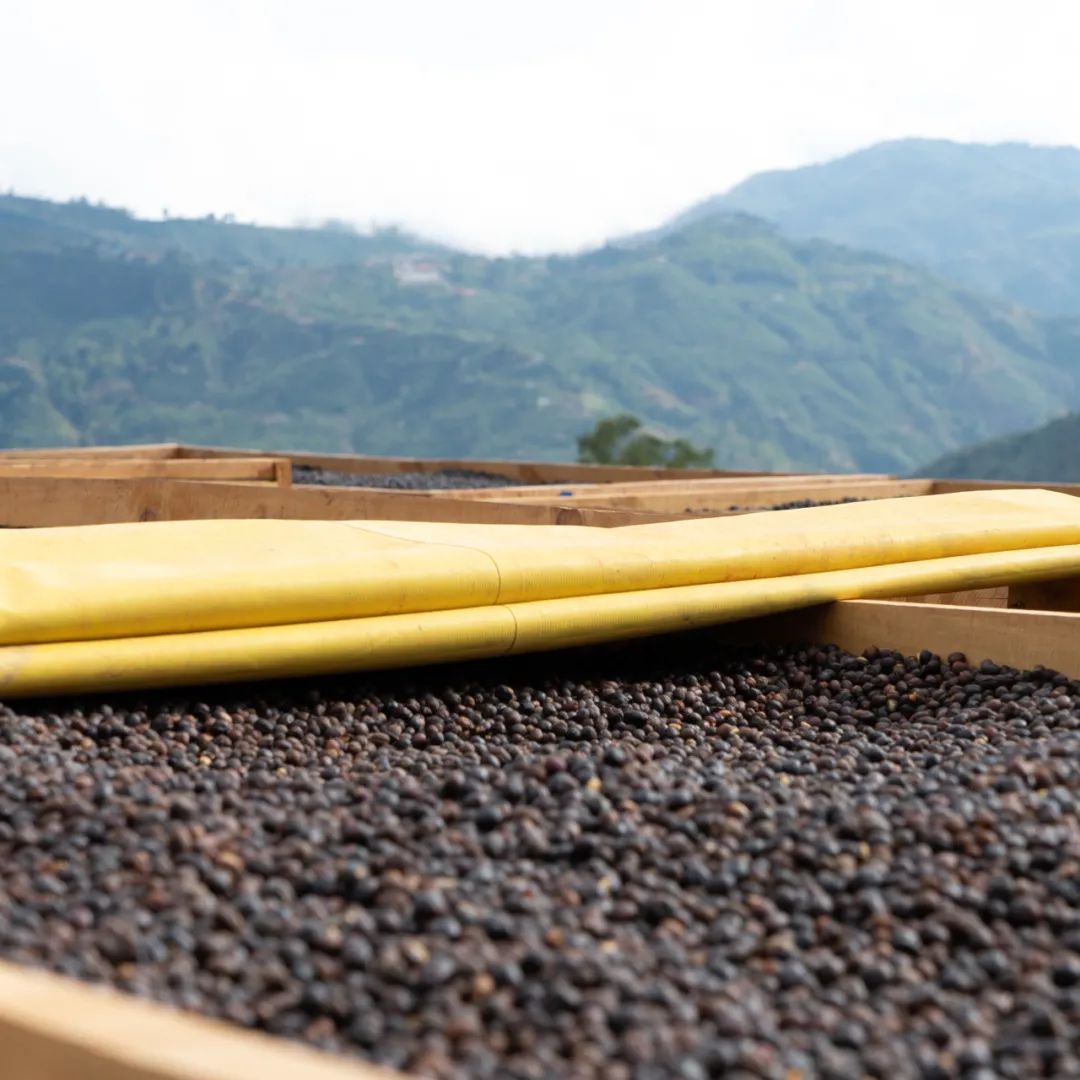
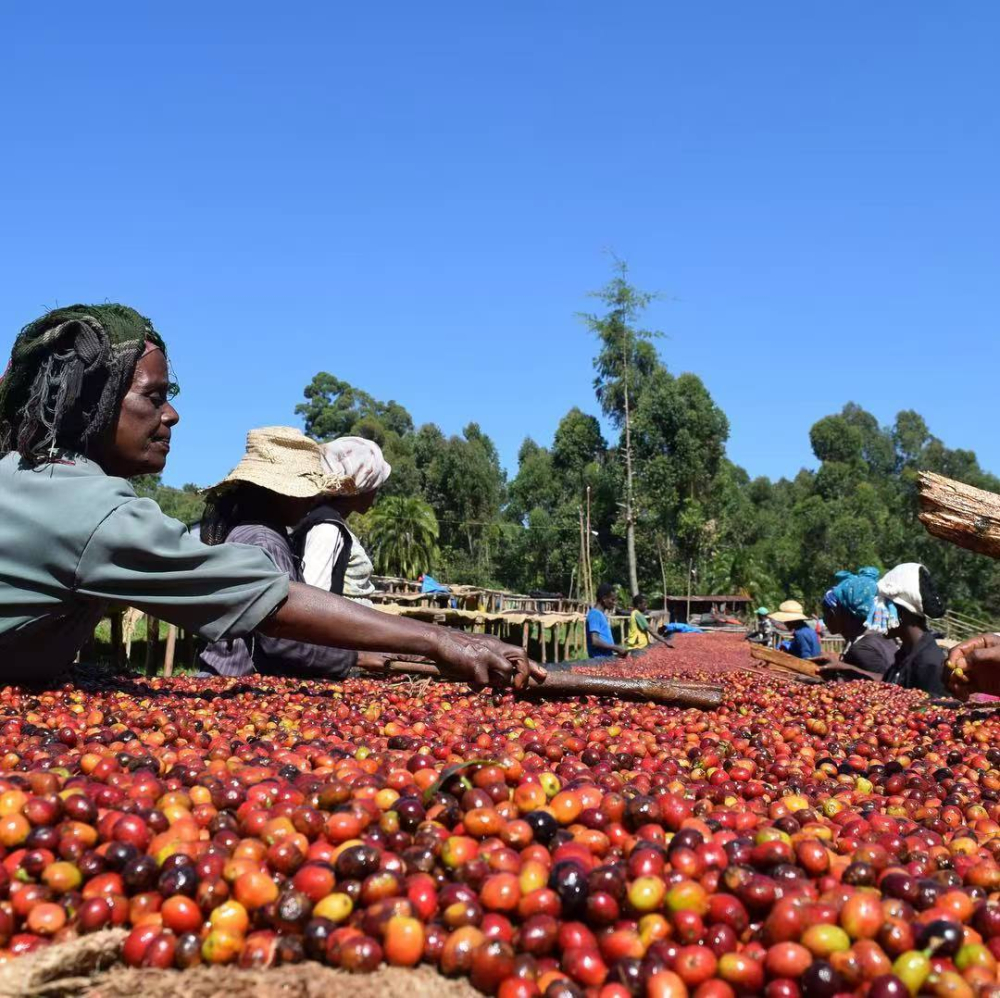
This coffee is grown in an exceptionally favorable environment, surrounded by sugarcane and banana plantations, coupled with the cool climate of high altitude, which gives Huakui a delicate acidity and rich aroma. The natural processing method further enhances its fruity and sweet characteristics, allowing the coffee to exhibit intense tropical fruit, passion fruit, and fermented wine notes after extraction. The harvest season is concentrated between December and January each year, and only red cherries with a sugar content of over 30% are selected for natural drying. The process involves 18 days of strict temperature control and shading to ensure stable fermentation and complete sugar conversion, with the final green bean moisture content around 11%, followed by extended resting before further processing.
The Huakui series has different versions based on the year and processing batch, such as Huakui 2.0, 3.0, 3.1, 4.0, and the latest 8.0. These names represent variations in different years or processing methods, most of which still come from Buku Abel Estate, though some are named by other processing mills with similar flavor profiles. Notably, the flavor of Huakui 3.1 differs significantly from traditional Huakui—some cuppers believe it more closely resembles the profile of Panamanian Geisha—while Huakui 4.0 returns to a more classic Huakui flavor profile but with slightly less body than the original.
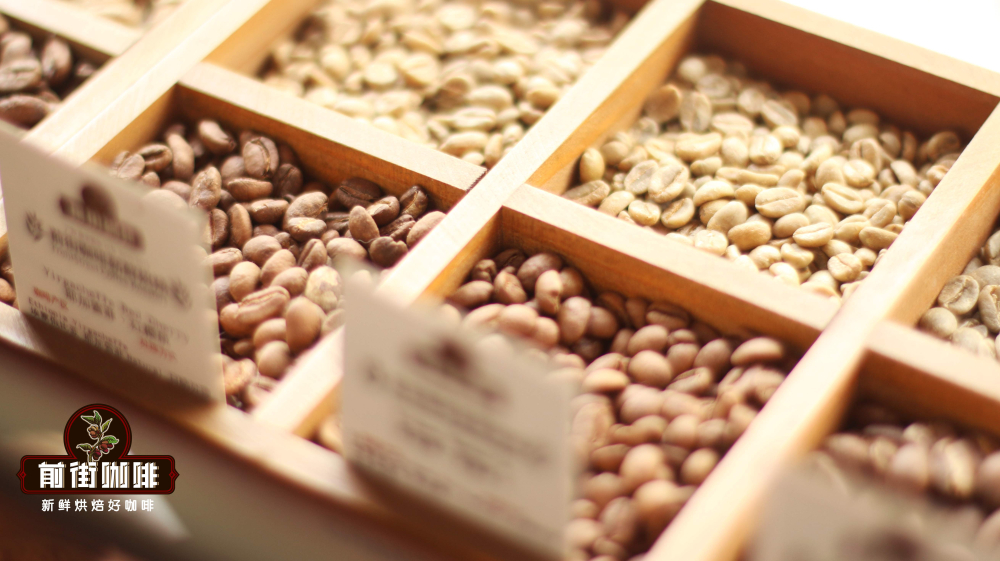
If you want to use Huakui 8.0 to make espresso, it's recommended to first understand its roasting characteristics. To meet the needs of espresso and milk coffee, this bean uses a roast curve suitable for espresso, resulting in rich crema that helps enhance the body and flavor layers of the shot. Recommended espresso extraction parameters are as follows: using a Galileo Q18 grinder set to 1.4, 20g of coffee, yielding 40g of espresso with a 1:2 ratio, timed between 28–32 seconds. When brewed this way, Huakui SOE offers a harmonious aroma of dark berries, apricot, caramel, and creamy chocolate when sipped straight; as an Americano, it highlights bright citrus acidity; and as a latte, the flavors transition to a soft combination of buttery cookies, plum, almond, and chocolate biscuit.
For those who enjoy Americano, Huakui 8.0 also performs well. Using a 200ml cup as an example, extract 40g of espresso with 20g of coffee, then add 160ml of hot water for a 1:4 ratio. When served hot, the acidity is soft, with noticeable berry and mild tropical fruit notes in the mid-palate, and a creamy, caramel sweetness in the aftertaste. For iced Americano, it’s suggested to use 20g of coffee to extract 40g of liquid, then add 260g of iced water—but this combination can lack body and aftertaste. Therefore, experienced baristas may adjust to 2g of coffee for 40g of liquid, extracted in 28 seconds, to boost the intensity of the shot, resulting in a more balanced and vibrant overall taste.
As for lattes, it’s recommended to use a 300ml cup, with espresso parameters of 20g of coffee yielding 40g of coffee liquid, extracted in about 30 seconds. Since Huakui 8.0 is lightly roasted and milk dilutes the flavor, the latte initially presents a more pronounced milk sweetness, with the berry notes of the coffee gradually emerging in the aftertaste. For iced latte, simply replace hot water with milk, but the overall performance remains relatively light, with the berry aroma being more subdued and the body and aftertaste needing improvement. Whether hot or iced, increasing the intensity of the espresso shot or adjusting the milk ratio can further enhance the overall flavor expression.
The above content is compiled by CoffeeHunters, a coffee news website.


