







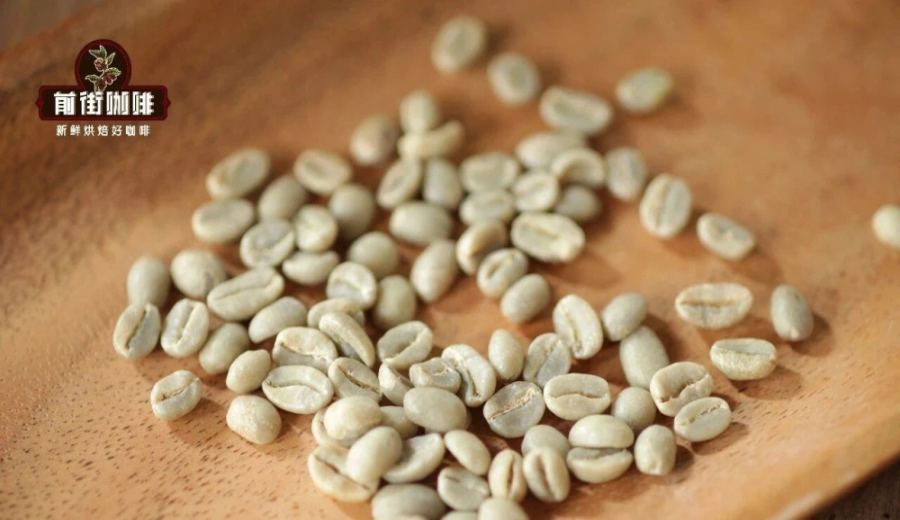
Introduction:Roasting is a critical factor that accounts for about 30% of a coffee’s flavor profile. From light to dark roasts, how do Maillard and caramelization reactions shape the balance of acidity, sweetness, and bitterness? This article takes an in-depth look at how different roast levels affect Single Origin (SOE) coffees, explains why SOEs can’t simply follow the logic of light or dark roasting, and recommends four medium-roast SOE beans suitable for espresso extraction, offering practical flavor references and beginner guidance.
Among the three key elements that determine a cup of coffee’s final flavor—green beans, roasting, and brewing—roasting plays a pivotal role, contributing roughly 30% to the overall flavor. Through Maillard and caramelization reactions, coffee beans transform under high heat into a diverse array of aromas and tastes. The Maillard reaction facilitates interactions between sugars and amino acids, producing complex and rich flavor compounds, which are also the primary sources of a coffee’s color and distinctive character. Caramelization, on the other hand, involves the decomposition and browning of sugars under heat, releasing sweet and mildly acidic notes while deepening the bean’s color.
The overall performance of a cup of coffee is largely shaped by the green beans, which contribute about 60% of the base flavor, the roasting process determines around 30% of the flavor profile, and the remaining 10% depends on brewing technique. Therefore, understanding the impact of roasting on flavor is an essential topic that no coffee enthusiast or industry professional should overlook.
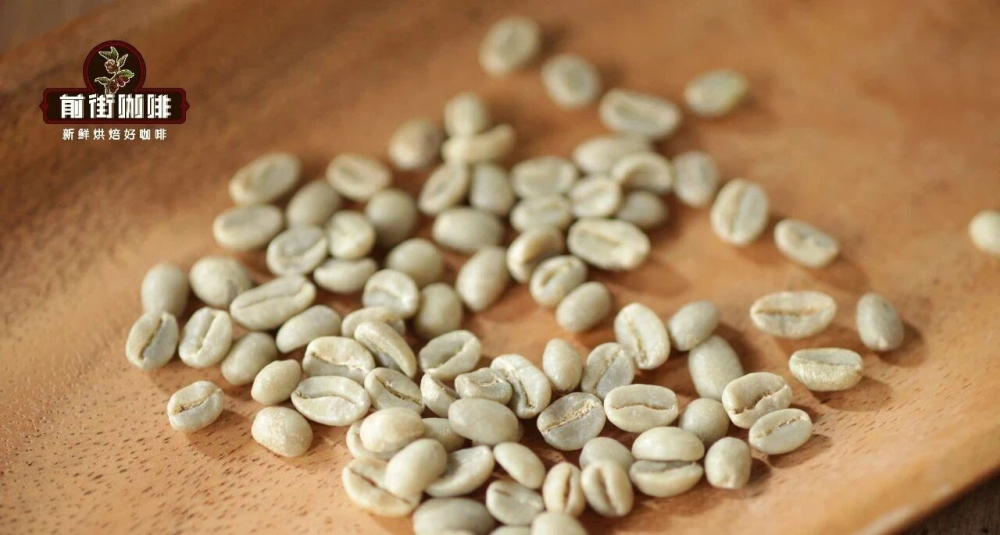
The degree of roasting directly influences the balance of a coffee’s acidity, sweetness, and bitterness, as well as its aroma. Generally speaking, the longer the beans are roasted, the more the acidity fades and the bitterness increases. This is why dark roasts often feature intense smoky bitterness and a heavier body, whereas light roasts better highlight fruity acidity and floral notes.
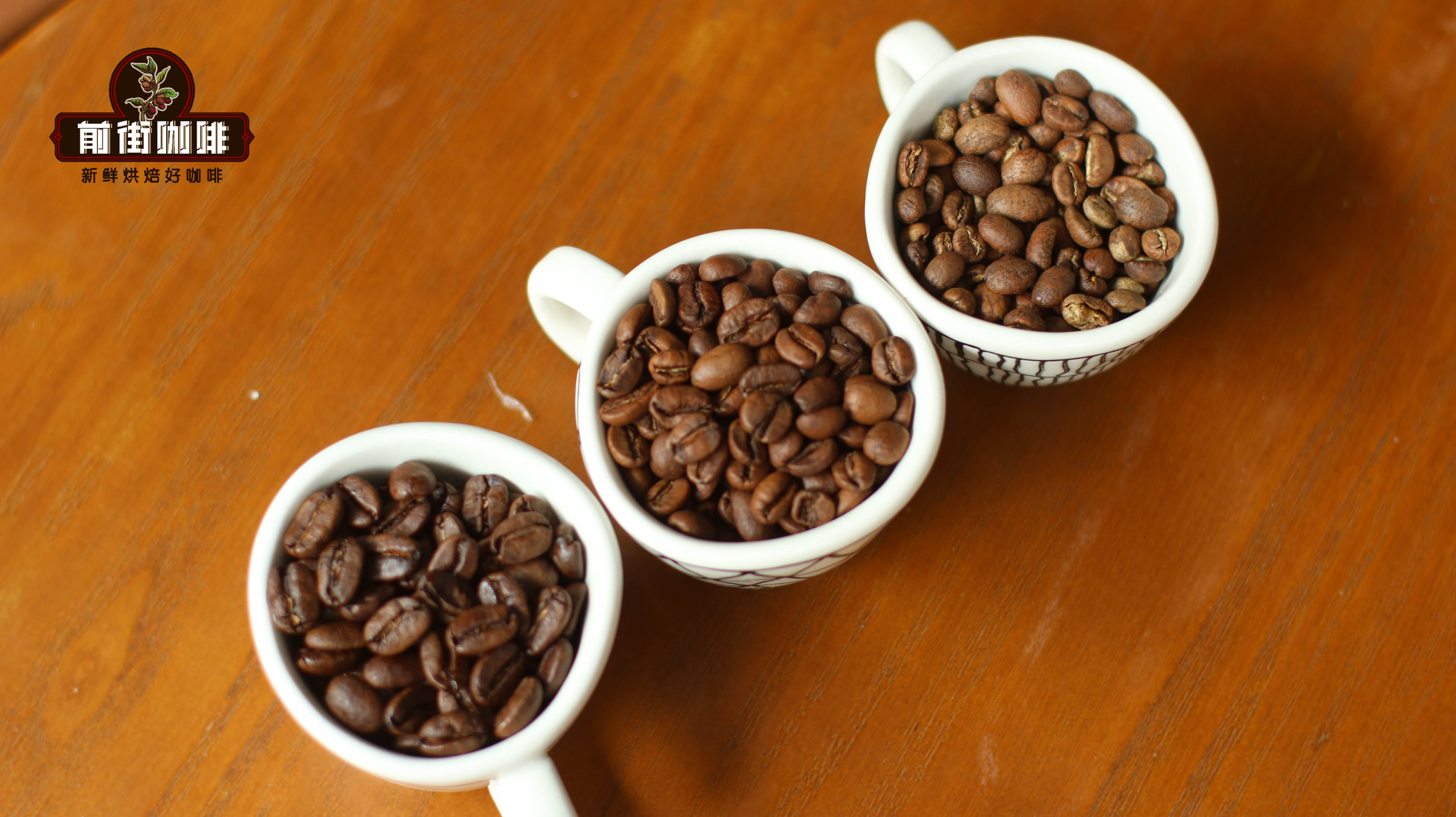
Common coffee roast levels can be divided into three main categories: light roast, medium roast, and dark roast. Light roast beans retain the most of their original characteristics, with vibrant acidity, making them ideal for showcasing bright fruit tones. Medium roast achieves a balance between acidity, sweetness, and bitterness, often exhibiting warm notes such as nuts, caramel, and malt. Dark roast, meanwhile, features pronounced bitterness, often accompanied by rich chocolate, spice, or even charred tones, catering to those who prefer a heavier mouthfeel.
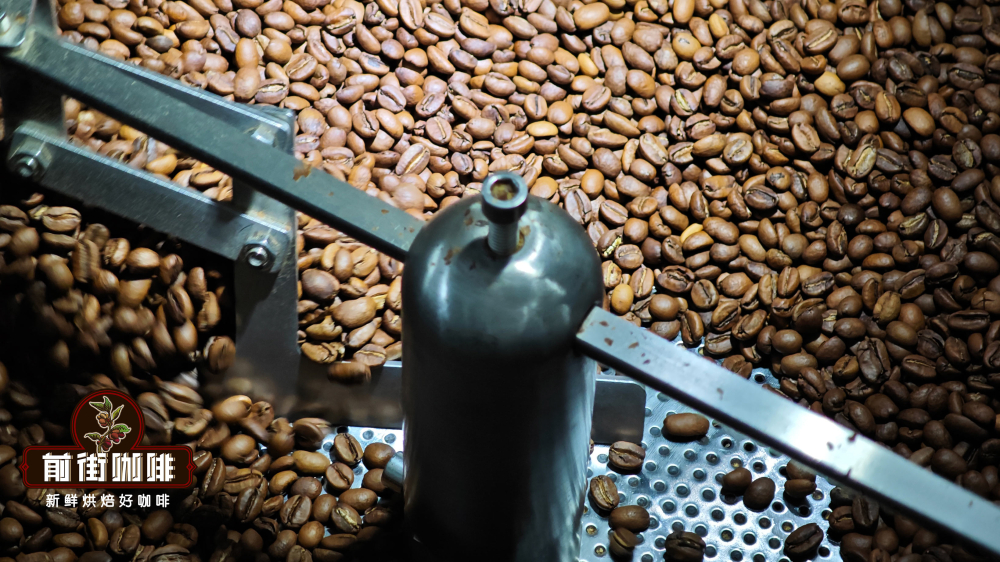
In the past, many roasters preferred dark roasts in pursuit of bold and stable flavors. This approach not only helped mask certain defects in lower-quality beans but also catered to the general preference for rich and hearty coffee. However, with the rise of specialty coffee trends, consumers have increasingly valued regional characteristics and clear flavor profiles, leading to a growing preference for light roasts. It’s worth noting, though, that while light roasts preserve more of the fruity and floral acidity, they may not suit all brewing methods—especially under the high-pressure environment of an espresso machine, where overly bright acidity can become overly sharp and unpleasant.
Therefore, when choosing a roast level, one shouldn’t rely solely on personal taste preferences. Instead, it’s important to take into account the inherent flavor characteristics of the beans from their origin, as well as the specific traits of the intended brewing method, in order to roast beans that both showcase regional uniqueness and possess market competitiveness. For professional roasters, this means not only mastering the beans’ characteristics and roasting principles but also continuously gaining experience through practice to consistently bring out the delicate and complex layers of aroma within the beans.
When it comes to SOE (Single Origin Espresso), the choice of roast level becomes an even more refined art. SOE focuses on using beans from a single origin to make espresso, aiming to highlight the unique flavor characteristics of that particular region—for example, the common floral and fruity notes of African beans, or the nutty and chocolatey tones of Central and South American beans.
Unlike blends, which can balance overall flavors through the combination of various beans, single-origin coffees emphasize the expression of their inherent characteristics. As a result, many roasters tend to opt for lighter roast levels when dealing with SOEs, attempting to preserve more acidity and floral notes. However, in the high-pressure extraction environment of an espresso machine, these bright and vibrant acidity notes—which perform excellently in pour over—can easily become overly sharp, even making the coffee taste unbalanced.
Conversely, if dark roasting is chosen to avoid acidity, although it can bring out intense bitter-sweetness and smoky tones, it may also mask the unique regional flavors that the SOE is meant to showcase, causing the coffee to lose its distinct identity and character. Therefore, the ideal SOE roast must strike a delicate balance between “showcasing regional characteristics” and “being suitable for espresso extraction.” This not only tests the roaster’s technical skills but also challenges the barista’s ability to control extraction parameters.
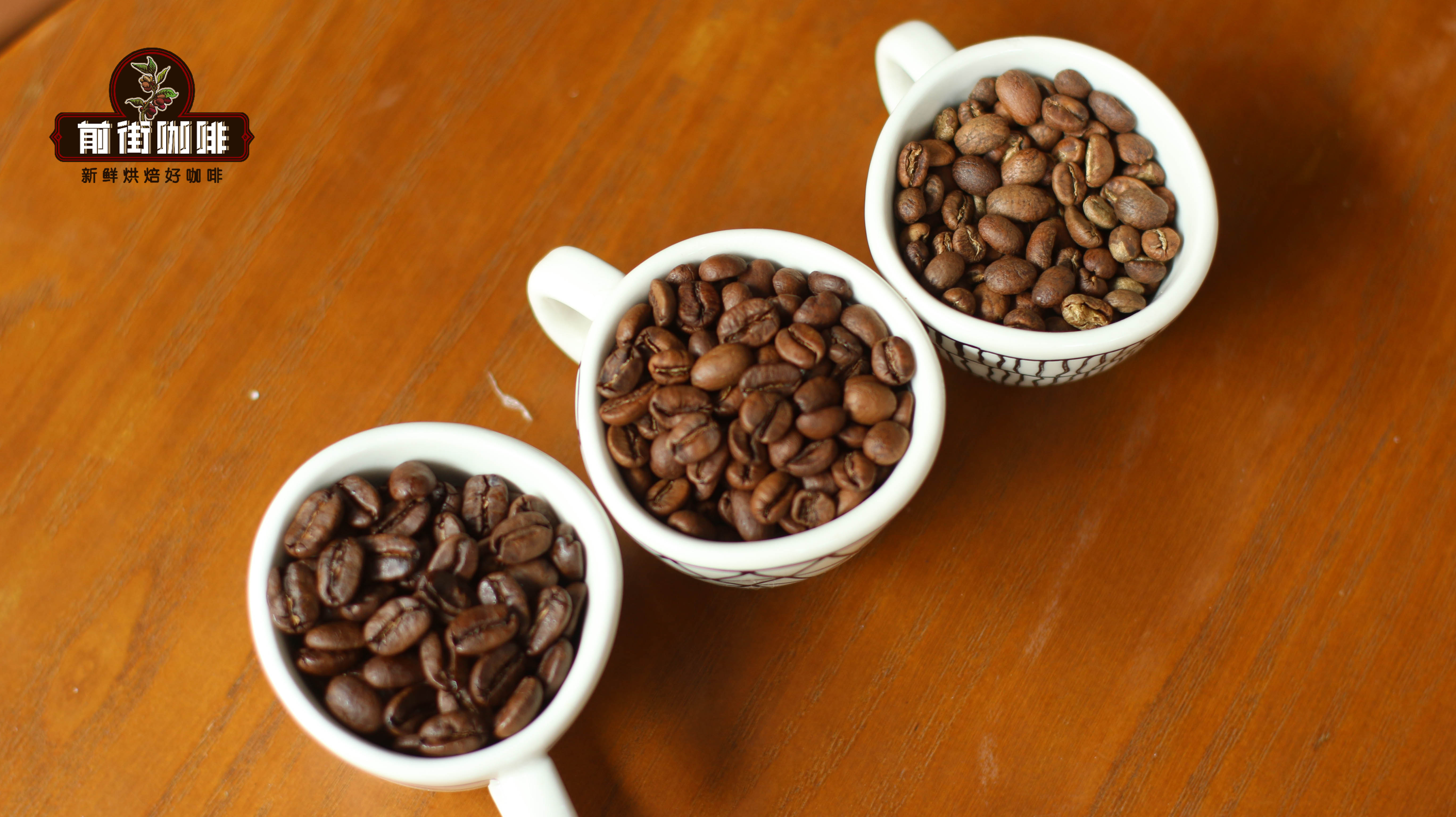
For readers who want to try roasting their own beans or selecting SOE coffee, it’s recommended to prioritize medium-roast (medium-level) beans. Medium roast retains a certain level of acidity and fruitiness while providing a more balanced sweetness and bitterness. It also adapts better to the high-pressure environment of an espresso machine, offering not only a rich flavor profile but also relatively higher extraction stability.
Below are four recommended bean varieties that have been tested and proven suitable for making SOE espresso, each with its own unique flavor profile, allowing you to choose based on personal preference:
Natural Red Cherry SOE Coffee Beans:Falling within the range of light to medium roast, these Yirgacheffe beans are processed using the natural (dry) method. They feature a prominent sweetness with intense berry and tropical fruit aromas. During espresso extraction, the crema is fine and the acidity-sweetness balance is excellent. When milk is added, it presents a honey-like smooth and sweet taste.
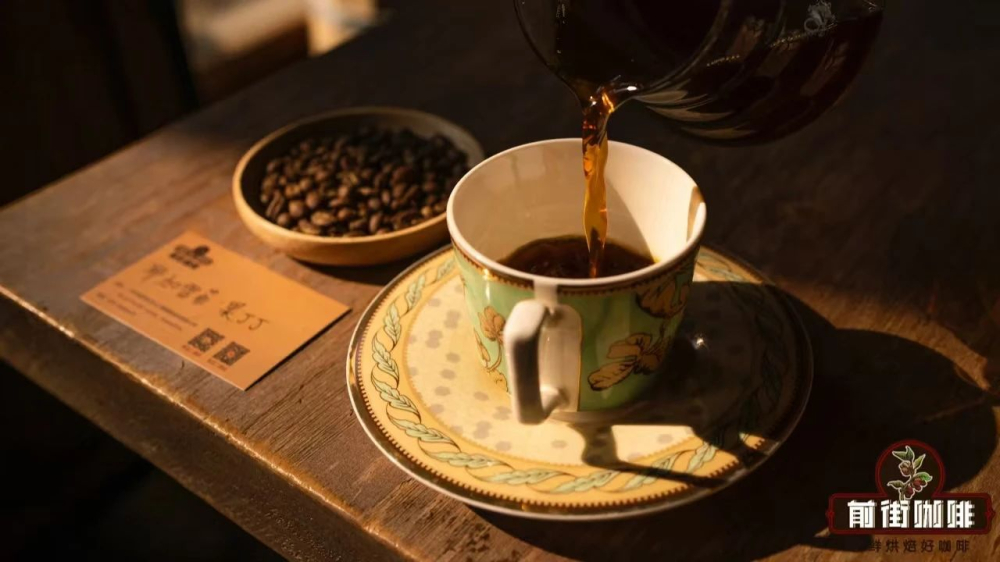
Bird of Paradise SOE Coffee Beans:These Papua New Guinea beans are washed-processed. A medium roast brings out notes of nuts, caramel, and subtle spices, resulting in a rich and balanced flavor. Ideal for coffee lovers who enjoy warm, sweet aromas, the espresso performs steadily with clear layers of fruitiness and cocoa.
Costa Rica Mozart SOE Coffee Beans:Processed with raisin honey method, these beans retain full fruit mucilage fermentation. Even in pour over, they already show abundant floral notes and high sweetness. When made into espresso, they deliver intense tropical fruit and fermented aromas, perfect for users seeking unique flavor complexity.
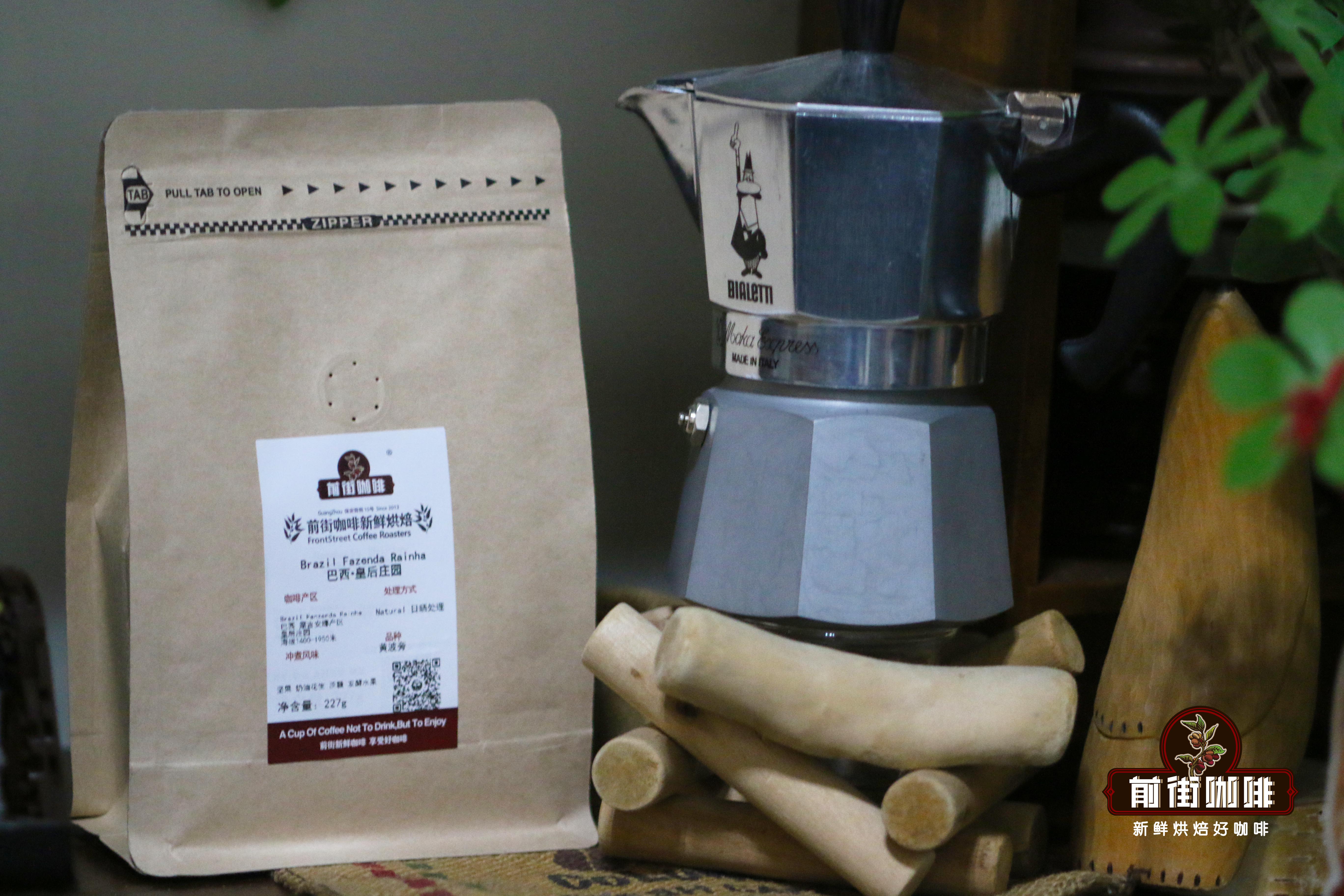
Queen Estate SOE Coffee Beans:These Brazilian beans are medium-dark roasted, featuring a flavor profile dominated by nuts, cream, and peanuts, with a lingering finish of rich chocolatey sweetness. The espresso has a thick crema and is suitable for drinking straight or with milk. The flavor is stable and widely appealing.
The above content is compiled by CoffeeHunters, a coffee news website.


