







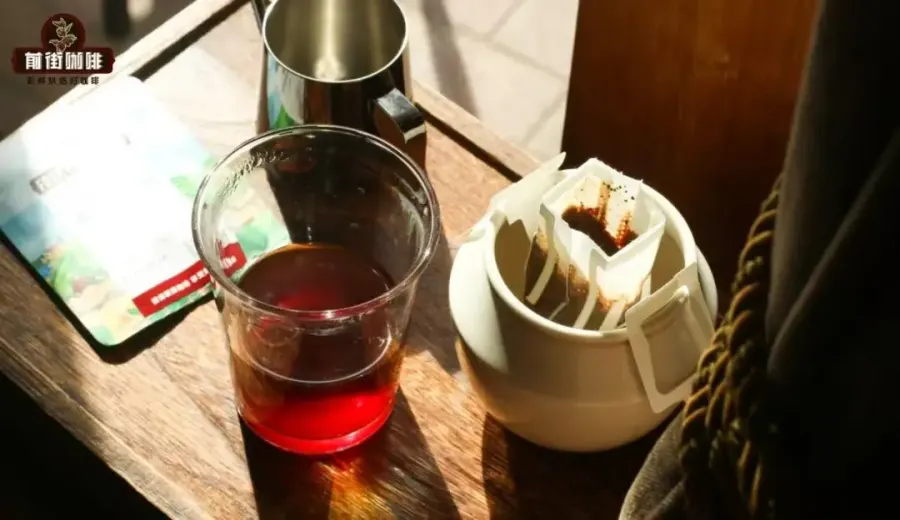
Introduction:Drip bags are the go-to choice for many busy coffee lovers, but many still have questions about how to brew them properly: Do you need to bloom? How much coffee should you use? And what’s the best way to pour the water? This article breaks down the logic of drip bag brewing—from the science behind blooming to practical steps—to help you master the key techniques. We’ve also selected a range of drip bags with distinctive flavor profiles, from bright, fruity, and floral to rich, roasted notes, to help you find your perfect cup.
Drip bags are seen as a convenient alternative to pour over brewing, skipping many of the more complicated steps—but there are still details worth paying attention to during the pouring and extraction process. Many beginners often wonder: since blooming is required for pour over, should you do the same with drip bags? In fact, the coffee grounds inside drip bags are pre-ground and, during storage, most of the carbon dioxide has already been naturally released. As a result, the blooming time can be shortened toabout 10 to 20 seconds. If the coffee grounds have been stored for more than two weeks, you can even skip blooming altogether.
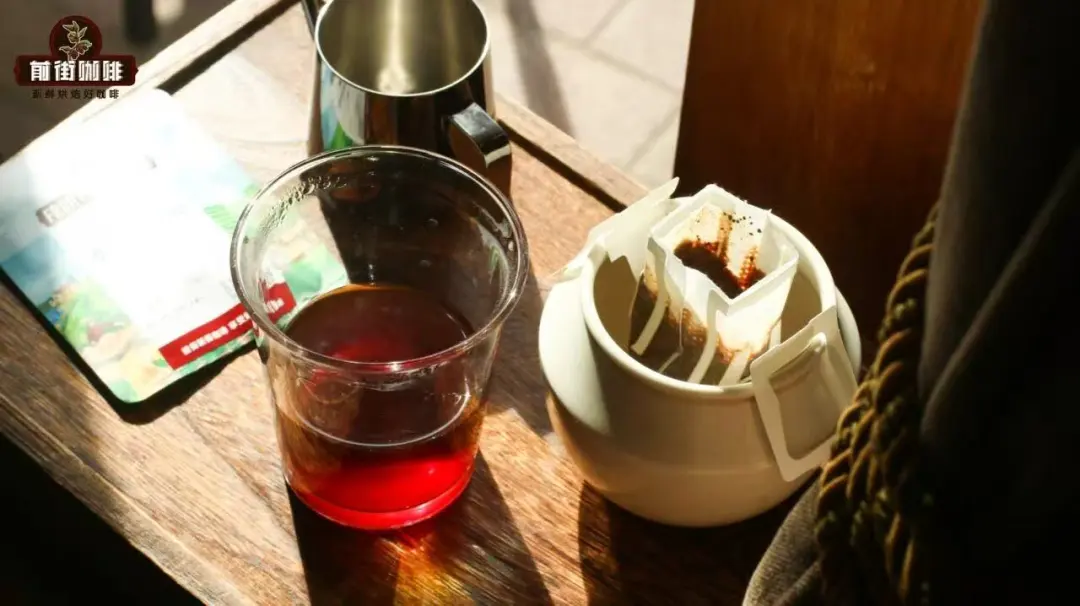
The key to brewing a great cup of drip bag coffee isn’t whether or not you insist on blooming—it’s mastering the right coffee-to-water ratio and using proper pouring techniques in stages. It’s generally recommended to use10 grams of coffee grounds with 150 milliliters of hot water, a 1:15 coffee-to-water ratio. This ratio helps balance strength and flavor complexity. Additionally, because drip bags contain pre-ground coffee, the grounds are prone to losing aroma and flavor quickly once exposed to air. It’s recommended to consume them soon after purchase to enjoy the best flavor experience.
Drip bags on the market can generally be divided into three main types, categorized by flavor profile into floral-fruity, fermented, and roasted styles—each with its own unique roast level and origin characteristics. Readers who enjoy bright and refreshing flavors can try floral-fruity drip bags with distinct citrus notes. These products usually feature vibrant acidity and lingering floral or honey-like aftertastes, making them ideal for beginner coffee drinkers. For those who prefer coffee with prominent sweetness and rich notes of ripe fruit, fermented-style drip bags are a good option. These often use honey processing methods, resulting in high sweetness and minimal bitterness. For readers who enjoy bold textures and flavors like caramel, nuts, and dark chocolate, medium-to-dark roasted drip bags are more suitable. They offer long-lasting aftertastes and complex layers.
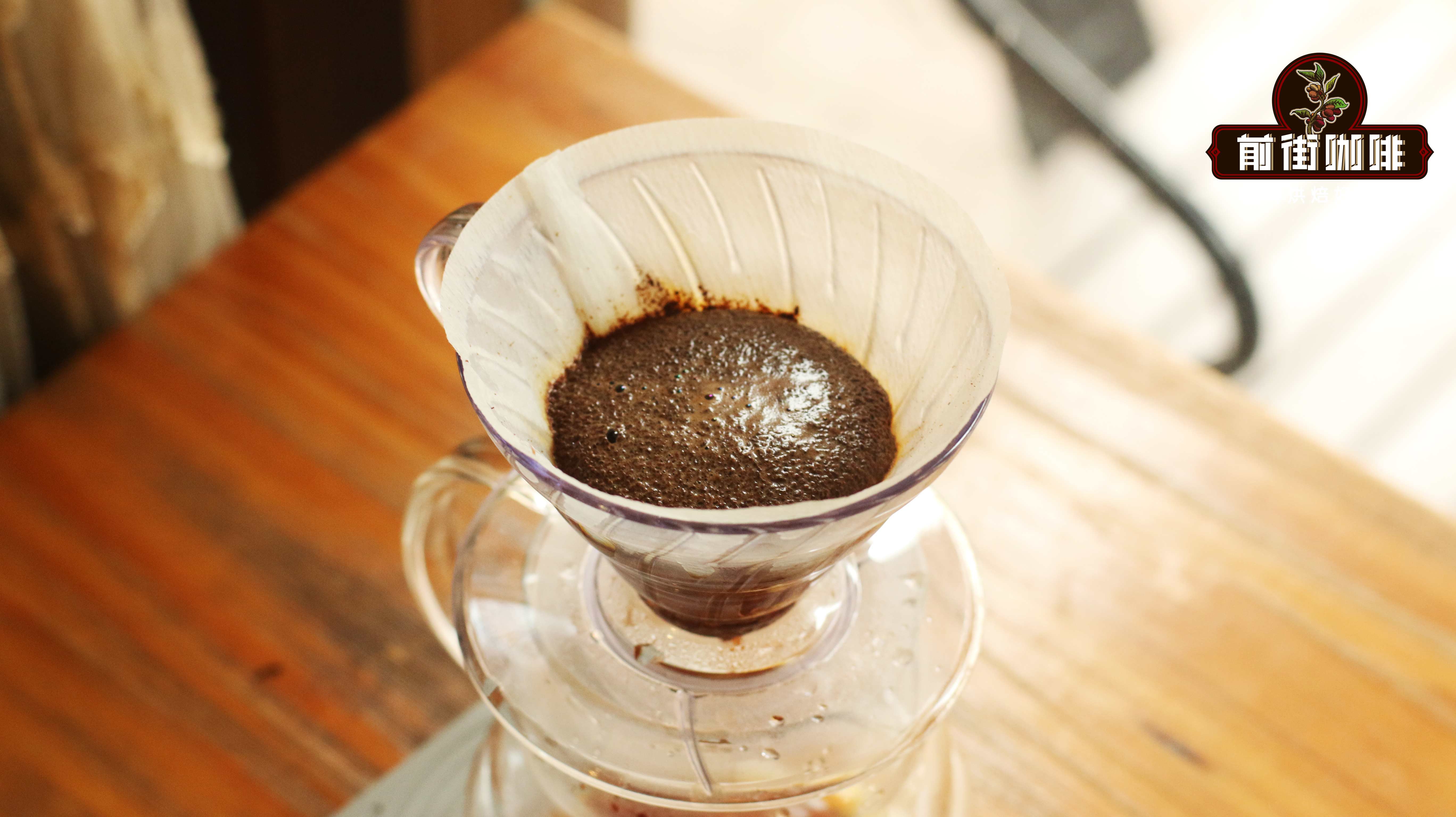
The actual brewing process is quite simple. First, prepare a clean cup or sharing pitcher, along with a stable pour over kettle. Open the outer packaging of the drip bag, tear along the dotted line to open the non-woven fabric pouch, then fold the two “ears” outward and hang them securely on the rim of the cup. The first step is blooming: evenly pour hot water over the coffee grounds to fully saturate them, then let it sit forabout 10 to 20 seconds. This allows residual carbon dioxide to escape and prepares the grounds for optimal extraction. Next, proceed to the second stage of pouring: slowly pour with a thin, steady stream until the water level nears the top of the kettle, then wait for the coffee to drip through. The final stage of pouring tops up the total water volume. Once all the coffee has filtered through, give it a gentle stir before enjoying.
It’s important to note that because drip bag coffee is pre-ground, once the coffee particles are exposed to air, the aroma and flavor compounds will dissipate rapidly. Therefore, the optimal flavor window is relatively short. It’s recommended that consumersbrew and drink the coffee as soon as possible after purchaseto fully experience its original flavors. Additionally, unless necessary, it’s also advisable to avoid grinding coffee beans too early, as pre-ground coffee not only accelerates flavor loss but may also affect the stability and consistency of the overall extraction.
The above content is compiled by CoffeeHunters, a coffee news website.


