







Introduction:Drip bags are favored by many busy office workers or home coffee enthusiasts for their portability and ease of brewing. However, many still have questions about how to use them—such as whether you can pour out the coffee grounds directly or if you can make a decent latte with drip bags. This article delves into the essence of drip bags, the correct brewing process, recommended coffee-to-water ratios, and two practical methods for making concentrated coffee, teaching you how to brew a professional-grade milk coffee at home.
Thanks to their convenient filter bag design, drip bags are not only easy to carry but also significantly lower the barrier to pour over brewing, making them a popular choice for many to enjoy freshly ground coffee daily. However, many users still have questions about how to use them properly—for example, can you pour the coffee grounds out to brew? How can you use them to make a rich milk coffee or latte? This article will start with the basic structure of drip bags, guide you through the correct brewing techniques and recommended coffee-to-water ratios, and provide two methods to produce high-concentration coffee liquid, allowing you to easily enjoy a professional coffee experience at home.
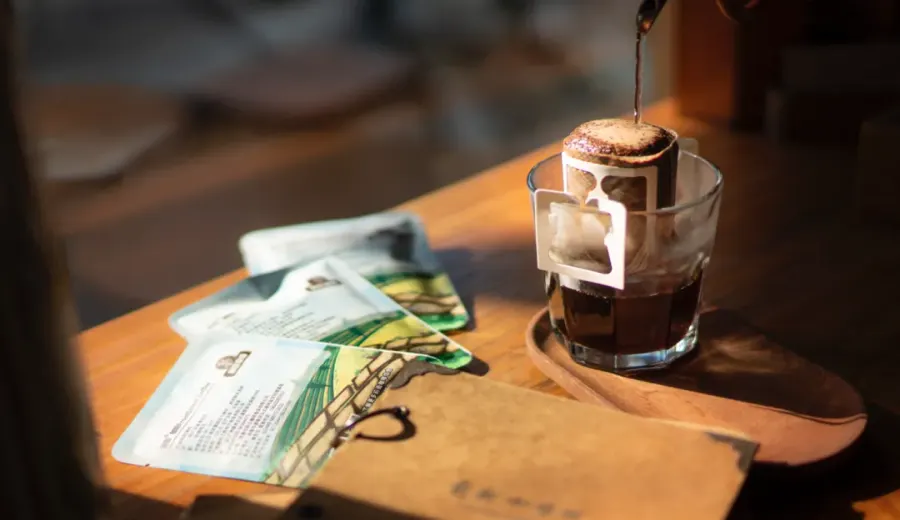
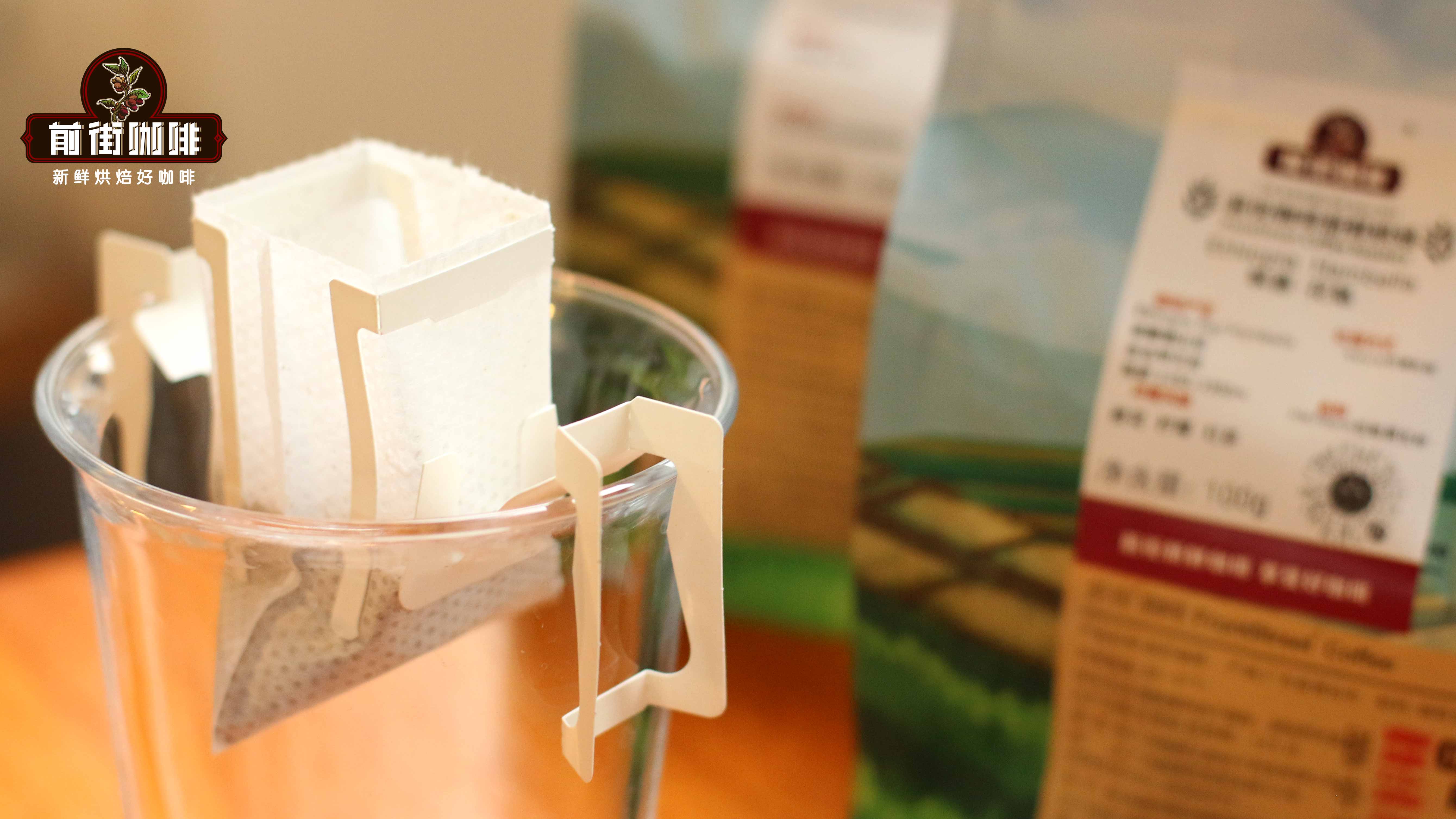
First, let’s clarify what a drip bag is. The name itself gives a hint—when you open a drip bag package and take out the enclosed filter pouch, the two paperboard “ears” on either side, once unfolded, can be hung over the rim of a cup. This is where the name “drip bag” comes from. This design allows you to brew without an additional filter cone—just a cup is enough.
There are two common misconceptions about drip bags that need to be clarified. First, what’s inside a drip bag is pre-ground coffee, not instant coffee. Its brewing principle involves hot water passing through the layer of coffee grounds to extract flavor compounds, which are then filtered through a filter cloth or paper, with the resulting liquid being the coffee you drink. This is completely different from instant coffee, which dissolves powder, so coffee grounds will inevitably be left behind after brewing. Second, the standard amount of coffee in each drip bag is usually 10 grams, which serves as the foundational parameter for calculating the coffee-to-water ratio and is one of the key factors determining the final strength and flavor intensity.
For beginners, brewing with a drip bag is extremely simple and requires almost no complex techniques. Unlike traditional pour over, which demands precise control of water flow and circular pouring, drip bags only require you to pour an appropriate amount of hot water into the filter pouch and wait for the coffee liquid to slowly drip through. However, if you want a better extraction result, understanding a few core variables is still crucial—these include the coffee-to-water ratio, water temperature, grind size, and brewing time. Among these,the recommended coffee-to-water ratio is between 1:15 and 1:18, meaning 150–180 milliliters of hot water for every 10 grams of coffee grounds. This concentration is moderate and suitable for most people’s taste preferences.
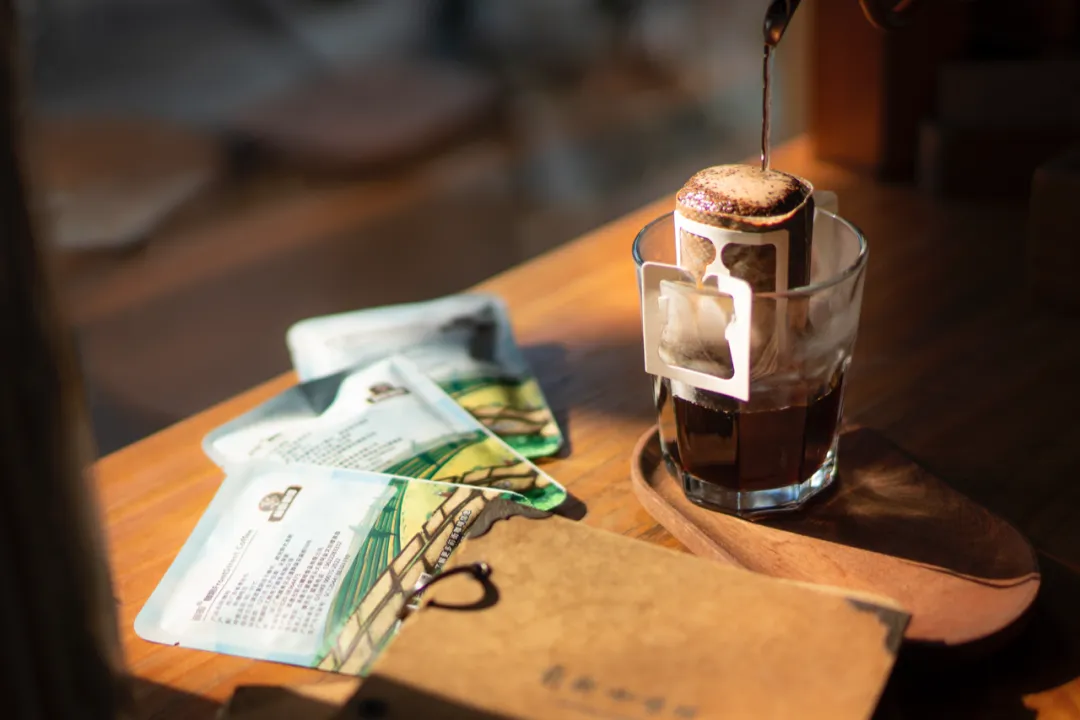
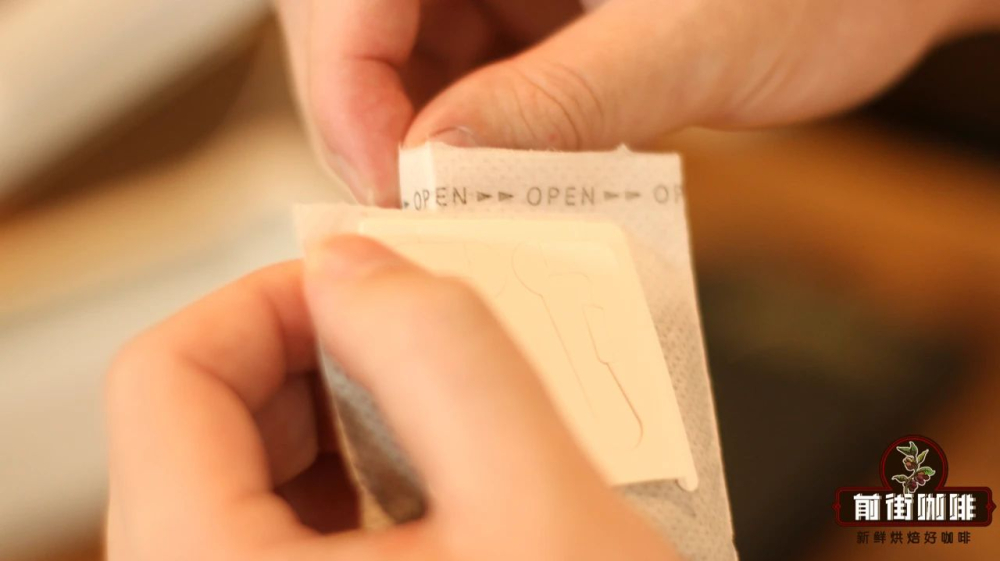
In terms of specific brewing steps, first, carefully tear open the outer bag and the filter pouch seal according to the instructions on the package. Here’s a special reminder: drip bags are definitely not instant coffee products—you must never pour the grounds directly out to mix with water, nor should you soak the whole bag. The correct method is to unfold the two “ears” of paperboard on the sides of the filter pouch and securely place them over the rim of your cup. Then, pour freshly boiled water that has been left to sit for about half a minute. Begin with a short bloom phase for about 10–20 seconds to help awaken the coffee aroma. Then continue pouring water until the coffee grounds in the filter pouch are fully saturated and enough coffee liquid has dripped through. The total yield is generally around 150–180 milliliters, just right for most single-serving mugs.
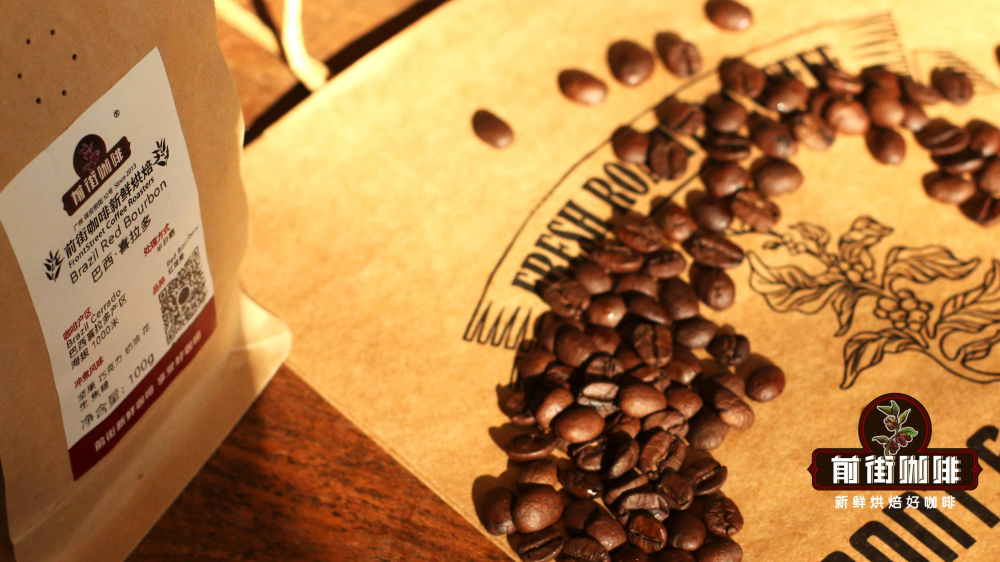
Next, let’s talk about how to make a latte using a drip bag. The key lies in brewing a high-concentration coffee base. It’s recommended to choose a medium-dark roasted coffee bean, such as Golden Mandheling, which has a rich flavor profile with notes of dark chocolate, caramel, and roasted nuts. Even when milk is added, it retains its layered complexity. First, you’ll need to pour the coffee grounds from two drip bags (a total of 20 grams) into a container with a spout—do not discard the filter pouch itself. Then, using near-boiling water at around 100°C, perform the extraction according toa 1:5 coffee-to-water ratio (20 grams of coffee to 100 milliliters of water). Since the coffee grounds will absorb some of the water, you’ll end up with about 60 milliliters of highly concentrated coffee liquid.
Before starting the extraction, remember to start the timer and stir evenly with a stirring stick for about 30 seconds to help accelerate flavor release. After letting it steep for about one and a half minutes, remove the filter pouch and place it over another clean cup. Then pour the extracted liquid back into the filter pouch to filter out the coffee grounds. At this point, you’ll have a rich coffee base.
Finally, add hot or iced milk according to your personal taste. The recommended ratio is between 1:3 and 1:4—that is, for every 60 milliliters of coffee liquid, add 180–240 milliliters of milk to create your personalized latte flavor. If you’re short on time, some netizens have shared a method using a microwave for quick heating: simply place the coffee grounds and hot water in a heat-safe container, heat repeatedly, and then filter. But be aware that heating milk and coffee together may damage the lactose structure at high temperatures, affecting sweetness and mouthfeel. It’s better to heat them separately and then combine.
In summary, drip bags are not just a convenient instant alternative—they are also a practical tool that can showcase the original flavors of coffee. As long as you master the correct pouring technique, coffee-to-water ratio, and even advance to brewing a high-concentration base, you can easily make professional-grade milk coffee or lattes at home that rival those from coffee shops. Whether you’re a beginner just starting out or a coffee enthusiast looking for a more convenient brewing method, drip bags can become an indispensable companion in your daily life.
The above content is compiled by CoffeeHunters, a coffee news website.


