








Introduction:Cold brew coffee is a simple and equipment-light method for making iced coffee, requiring only a filter, ice cubes, and coffee grounds to complete. This article explains the differences between cold brew, ice drip, and cold drip coffee, detailing key parameters such as coffee-to-water ratio, grind size, and ice melt time. It also shares real-world examples on how to bring out a refreshing fruity-tea flavor with the right beans, along with tips to enhance flavor. It’s perfect for readers who want to easily make iced coffee at home.
Among the various methods of making iced coffee, cold brew is one of the simpler and more accessible options. Without the need for specialized equipment, just a large filter, some ice cubes, and coffee grounds are enough to brew a refreshing iced coffee at home. Compared to ice drip and cold drip, the steps for cold brew are more intuitive and suitable for everyday brewing.
First, let’s clarify the difference between cold brew and other iced coffee brewing methods. Ice drip involves slowly dripping melted ice water through a bed of coffee grounds, extracting coffee drop by drop. Cold drip, on the other hand, involves steeping coffee grounds in cold water for an extended period at low temperatures. Cold brew, however, places ice cubes directly on top of the coffee grounds, allowing the naturally melting ice to gradually infuse and extract the coffee’s flavors. The equipment required is extremely minimal—just a filter, ice cubes, and coffee grounds.

In practice, place the filter paper into the filter, add the pre-measured coffee grounds, then place the ice cubes on top of the coffee bed. Let the ice melt over time and gradually seep through the coffee grounds to extract the flavors. While this method may seem casual, there are several key parameters that influence the final flavor.
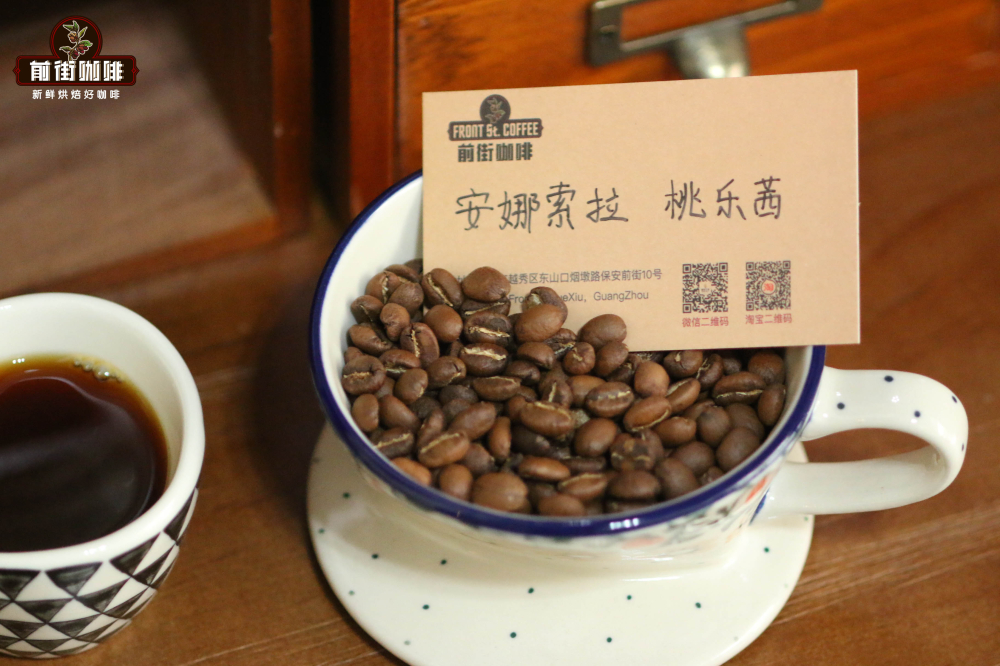
When it comes to bean selection, it’s recommended to choose beans with complex flavor profiles to highlight the refreshing characteristics unique to cold brew. For example, using Ethiopian Dorothy beans often results in an iced coffee with bright notes of white peach and oolong tea, making it ideal for those who enjoy fruity and tea-like notes. The amount of coffee grounds should be adjusted based on the size of your filter—generally, it’s advised not to exceed half the capacity of the filter to leave room for the ice. Using a common Hario V60 Size 02 filter as an example, you can use 30 grams of coffee grounds.
For grind size, cold brew coffee grounds should be slightly coarser than those used for pour over, roughly within the range of 65–68% passing through a #20 sieve. This helps control the extraction speed and prevents over-extraction. After adding the coffee grounds to the filter, gently level the surface. You can then pour about 30 milliliters of cold water to wet the coffee bed, which aids in even pre-wetting, reducing channeling and uneven extraction.
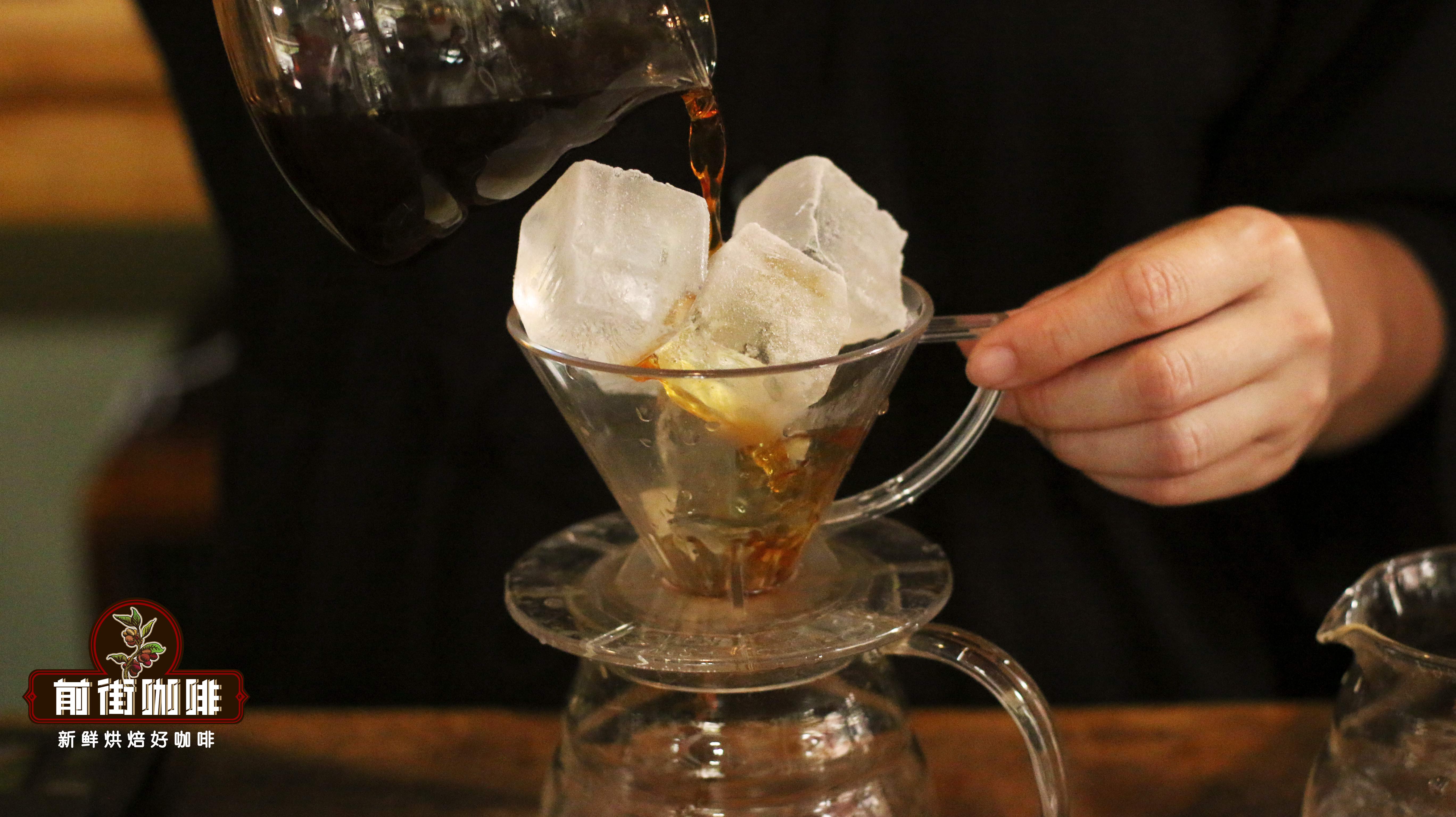
After wetting, place the filter in a room-temperature environment and let it sit undisturbed, allowing the ice to melt naturally and gradually extract the coffee. The whole process takes about 5 hours, with slight variations depending on ambient temperature and the amount of ice. Once the ice has completely melted, remove the filter and pour the brewed coffee into a container.
The finished cold brew coffee can be consumed as is. It’s recommended to add 1–2 large ice cubes to keep it cool and enhance the drinking experience. Alternatively, you can refrigerate it first to let the flavors concentrate before enjoying. Since it’s hard to precisely control the melting speed and flow distribution of the ice during the cold brew process, the flavor may vary slightly with each brew. But this is also why it’s highly forgiving—even with slight parameter adjustments, most brews will still result in well-balanced coffee.
Besides the basic steps above, if you want to further enhance the flavor profile of your cold brew, you can experiment with adjusting the roast level and origin characteristics of the beans. Light to medium roast beans often showcase brighter acidity and fruity notes, making them suitable for those seeking a fresh taste. Medium to dark roast beans, on the other hand, may bring out richer caramel and chocolate tones, appealing to those who prefer a bolder flavor.
In summary, cold brew coffee is a simple, beginner-friendly method for making iced coffee at home. By mastering basic parameters such as coffee-to-water ratio, grind size, and extraction time, and pairing them with suitable coffee beans, you can easily enjoy a refreshing cup of iced coffee. Through gradual fine-tuning of parameters and experimenting with different beans, you can also discover the cold brew flavor combination that best suits your personal taste.
The above content is compiled by CoffeeHunters, a coffee news website.


