







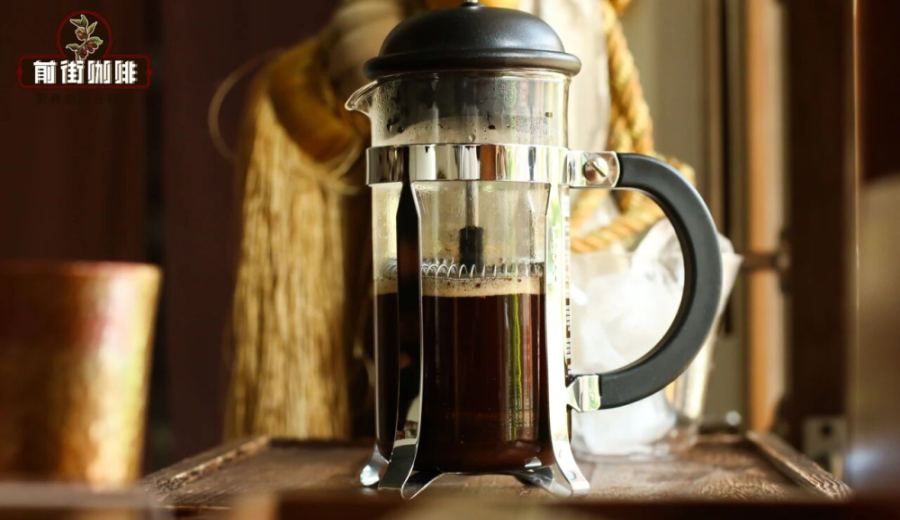
Introduction:The French press is the go-to brewing device for many coffee enthusiasts just starting out. It’s simple to use yet capable of producing coffee with a rich and balanced flavor. This article takes an in-depth look at the four core parameters of the French press: coffee-to-water ratio, grind size, water temperature, and steeping time, and offers practical usage tips. Additionally, it explains how to brew iced coffee with a French press, along with suitable coffee bean types and cleaning and maintenance techniques, helping you easily master the essentials of this classic brewing tool.
The French press (French Press) originated in 19th-century France and is a classic immersion-style coffee brewing device. It consists of a heat-resistant glass carafe and a metal filter, featuring a simple structure and intuitive operation. Simply steep the coffee grounds with hot water, then press the filter to separate the grounds, and you’re left with a cup of coffee that’s full-bodied and smooth in texture. Not only is it great for everyday use, but the French press can also serve as a cupping tool, or even be used for brewing tea or frothing milk—it’s a versatile coffee accessory.
To brew great coffee with a French press, the key lies in mastering four core elements: coffee-to-water ratio, grind size, water temperature, and steeping time. These parameters influence one another and together determine the final extraction quality and flavor profile.
First is the coffee-to-water ratio. The recommended range is 1:15 to 1:16. This range offers a high margin for error and can accommodate the characteristics of most coffee beans, extracting a balanced and not overly intense flavor. If you prefer a stronger cup, you can adjust slightly to 1:14, but be careful to avoid over-extraction.
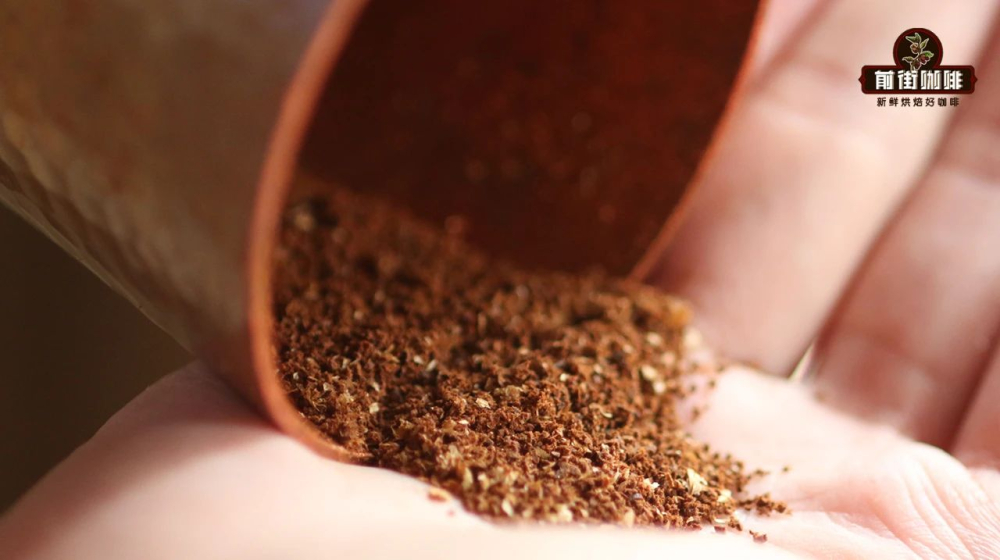
Next is the grind size. Because the French press uses a metal filter, a coarser grind is recommended—similar in texture to sea salt. Using a standard #20 sieve as a reference, medium-light roasted beans should have a pass-through rate of about 72%–75%, while medium-dark roasted beans are better ground coarser, at around 68%–71%. Grinding too fine can cause fine particles to pass through the filter, affecting the smoothness of the cup and potentially leading to over-extraction.
Water temperature is also a crucial factor in extraction. Since the French press relies on static immersion, the water temperature should be slightly higher than that used for pour over. Generally, medium-light roasted beans can use 91–94°C, while medium-dark roasted beans are better brewed at 88–91°C to avoid accelerating the release of bitter substances due to high heat.
Lastly, there’s the steeping time. Through multiple experiments, it’s recommended to keep the extraction time around 4 minutes. This duration allows for sufficient extraction of the coffee’s flavor compounds without over-extracting and introducing bitterness.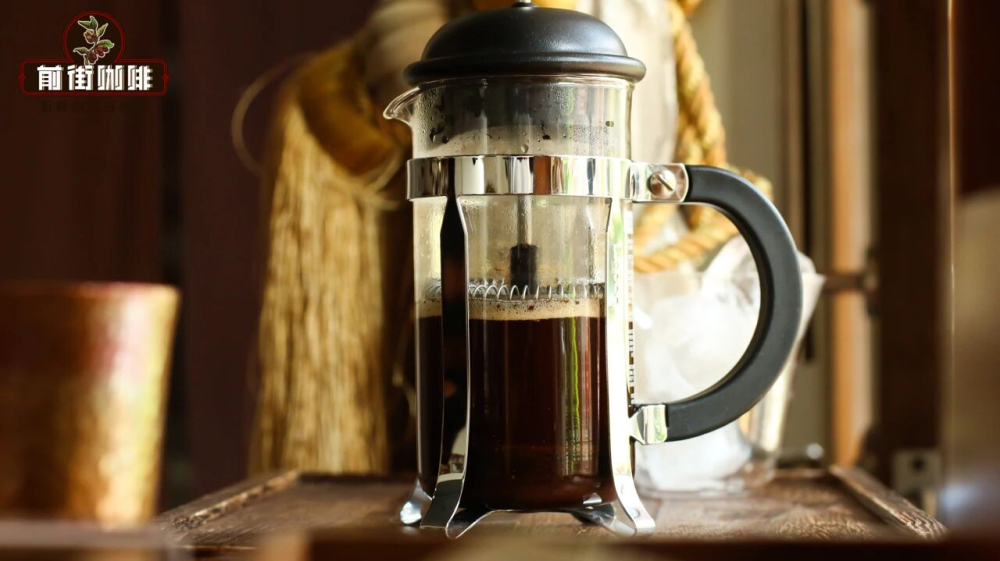
The actual brewing process is quite straightforward: using 15 grams of coffee as an example, add about 225–240 milliliters of hot water, place it in the French press, let it steep for 4 minutes, then slowly press down the filter. It’s recommended to keep the filter about one-quarter of the way above the liquid surface to prevent fine grounds from rising and affecting the taste.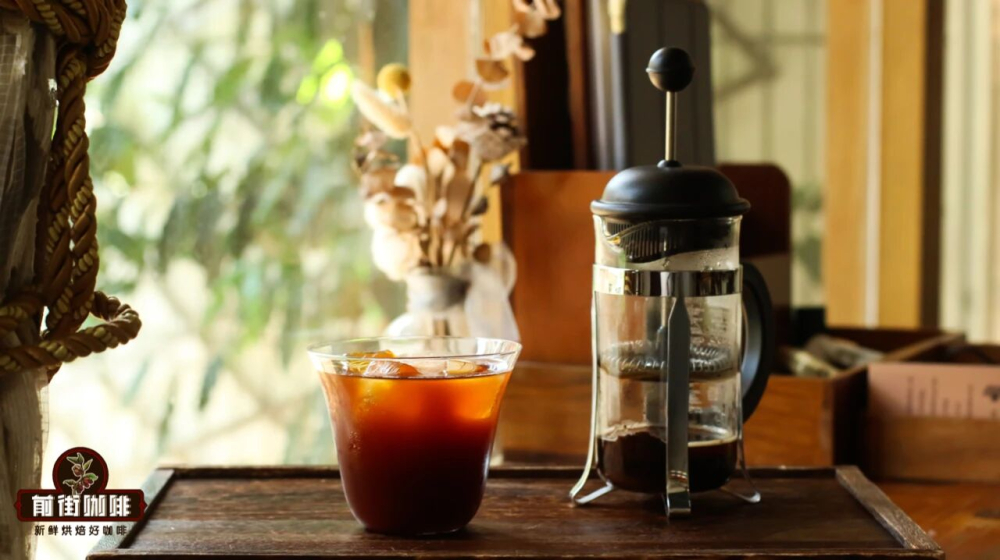
It’s worth mentioning that the applications of the French press go far beyond just hot coffee. Its immersion brewing principle is similar to that of cupping, so it’s often used to evaluate the overall performance and flavor structure of coffee beans, making it a favorite among professionals. In addition, its simple structure also makes it suitable for steeping and filtering tea leaves, especially black tea.
Even more creatively, the French press can be used to manually froth milk. Although it’s not as effective as a professional milk frother, by moving the plunger up and down, you can still produce basic foam, suitable for making simple coffee drinks.
Many wonder if the French press is suitable for making iced coffee? The answer is yes, and there’s a specific method for it. You can refer to the concept of Japanese iced pour over: first pre-infuse with a small amount of hot water to extract a concentrated coffee liquid, then pour it over ice to cool and dilute, resulting in a well-balanced iced coffee.
When it comes to bean selection, it’s advisable to avoid light roasts with pronounced acidity, as the acidity can become thin during the chilling process, and even develop undesirable off-flavors such as almond or peanut skin notes. In practical testing, Honduran Sherry coffee beans stood out with their rich body and flavors of vanilla and sherry, making them an excellent choice.
Here’s how to make iced coffee specifically: prepare 15 grams of coffee, mix it with 120 grams of 94°C hot water at a 1:8 ratio, let it sit for 30 seconds and gently stir to fully saturate the grounds—this will create a clear three-layer structure. At the 3-minute mark, place 105 grams of ice in the cup, wait another minute for the coffee grounds to settle, then slowly press the filter and pour the coffee into the ice-filled cup to finish.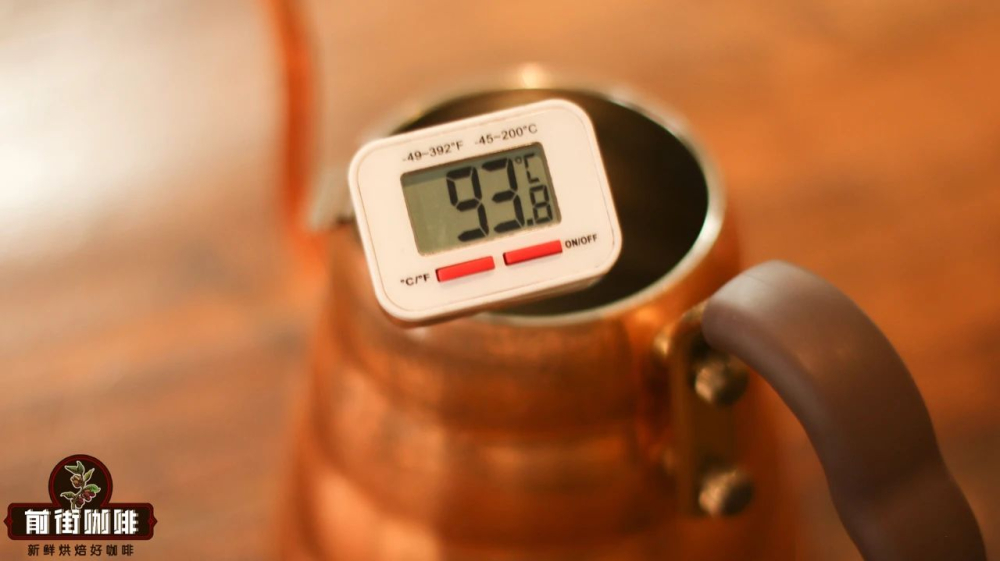
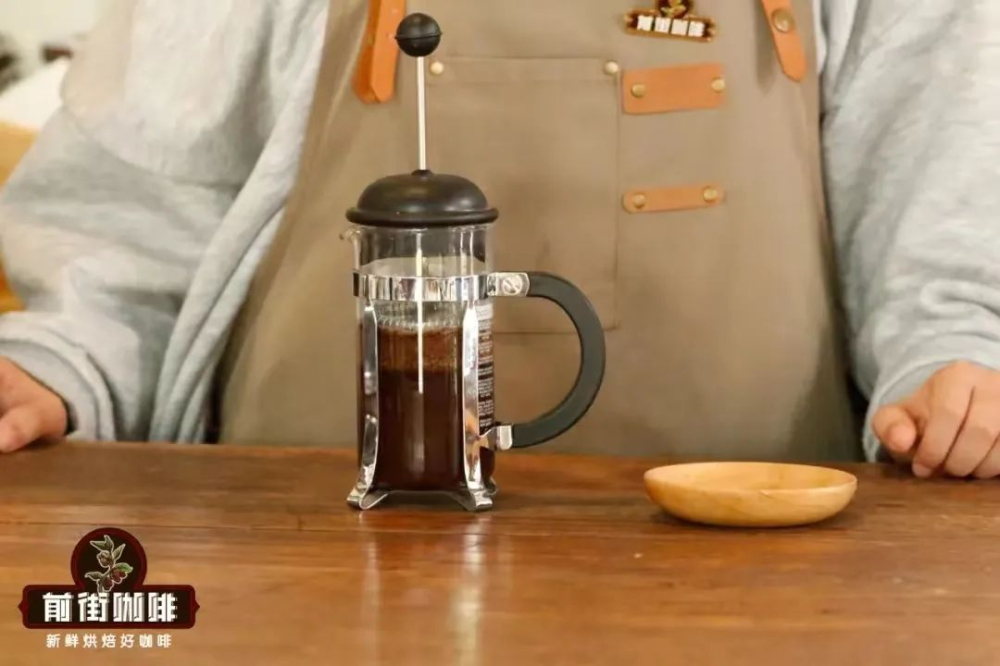
When cleaning the French press, focus on cleaning the metal filter. It’s recommended to disassemble the filter assembly and rinse it thoroughly with water to avoid coffee oil residue affecting the flavor of subsequent brews. The filter usually has a multi-layer structure and needs to be gently twisted to fully separate and clean.
In terms of coffee bean selection, beans that work well with the French press typically have good balance, such as Indonesian Mandheling, Brazilian Queen Estate, and Honduran Sherry. These varieties offer stable flavors and can fully showcase the rich and bold characteristics of the French press.
If you prefer beans with more complex flavor layers—such as Ethiopian fruit-forward coffees—it’s better to use paper filtration to better highlight the nuances. The French press, on the other hand, is more suited to highlighting bold notes like dark chocolate, nuts, and caramel. It’s an ideal choice for beginners and also fits the needs of daily users who want simple operation and consistent results.
The above content is compiled by CoffeeHunters, a coffee news website.


