







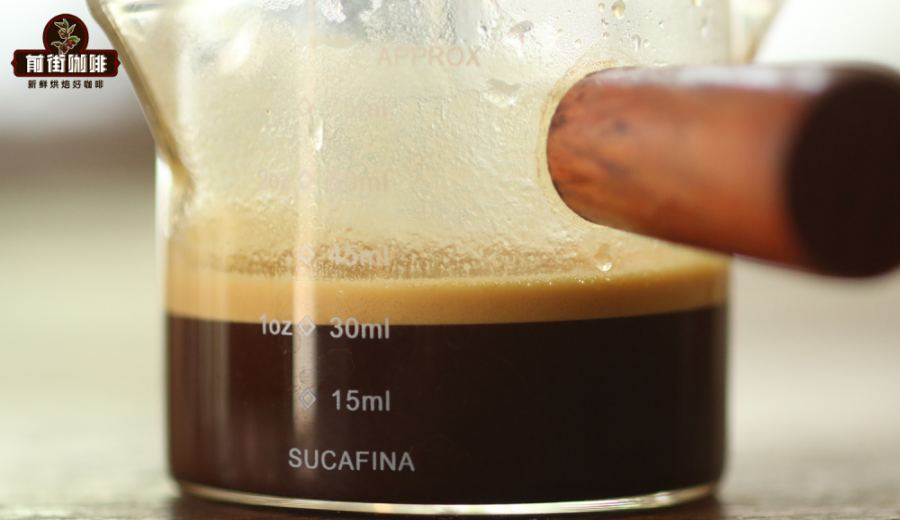
Introduction:When you order a single or double shot at a café, it may seem like just a difference in the amount of espresso, but the brewing techniques behind them are actually quite different. Single and double shots vary significantly in portafilter selection, coffee dose, extraction time, and concentration performance. These differences not only affect flavor release but also test the barista’s skill. This article takes an in-depth look at the practical differences between the two, including portafilter structure and a comparison of extraction parameters, and provides a complete step-by-step guide to making a standard double shot to help you master the essence of this classic beverage.
Walking into a café and wanting an espresso, you might casually say, “I’ll have an espresso,” or sound a bit more professional with, “Give me a shot.” Here, a shot refers to a unit of espresso — typically, one is called a single shot, or single espresso; if you want something stronger, you can order a double shot, or double espresso. But did you know? The difference between single and double shots isn’t just about quantity — they differ significantly in brewing method, portafilter choice, and final flavor expression.
Portafilter capacity determines the foundation of extraction
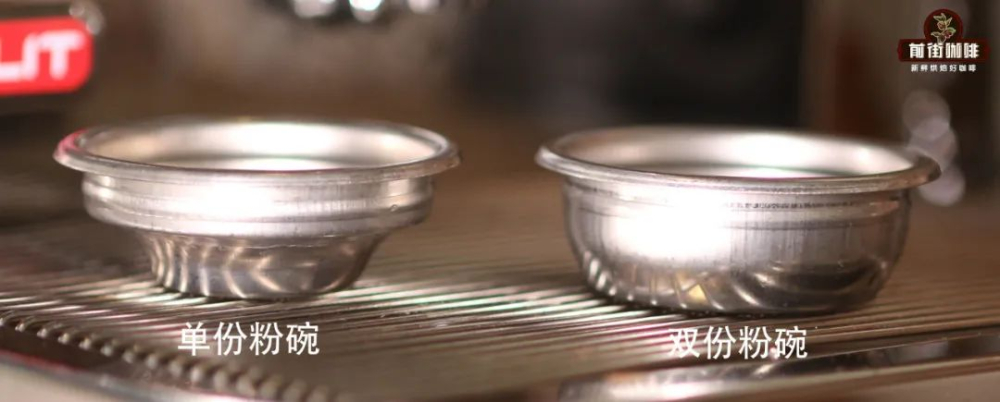
Commercial espresso machines have clearly defined capacity limits for their portafilters. For example, a double portafilter labeled for 18 grams usually holds between 17 and 19 grams of coffee. Overfilling may prevent the handle from fitting snugly into the group head, while underfilling can lead to uneven extraction or overly fast flow. Therefore, if you want to brew a single shot, you must use a small-capacity portafilter designed for single shots, rather than simply halving the coffee dose in a double portafilter.
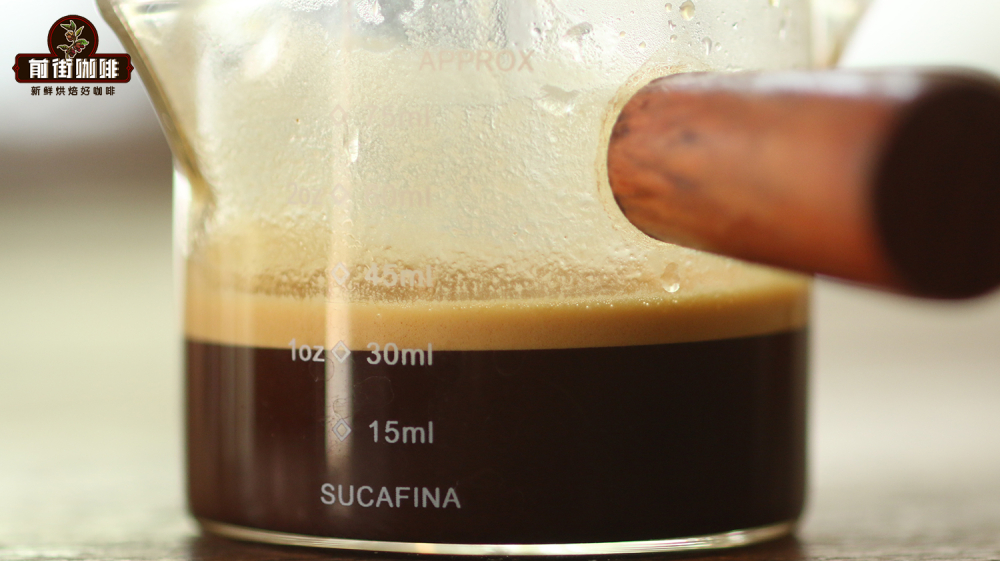
Comparison of single and double shot extraction parameters
In practice, a double shot typically uses a double portafilter, with around 18 grams of coffee, aiming to extract about 60 milliliters (approximately 40 grams) of espresso, over an extraction time of roughly 20 to 35 seconds. A single shot, on the other hand, uses a single portafilter, with about 11 grams of coffee, extracting approximately 30 milliliters (around 22 grams) of coffee.
But this doesn’t mean a single is simply half of a double. According to test data from a certain café, using a double portafilter with 20 grams of coffee, 40 grams of espresso can be extracted in 27 seconds, reaching a concentration of 10.48% and an extraction yield of 21.72%. In contrast, using a single portafilter with 10 grams of coffee to produce 20 grams of espresso results in a noticeably faster flow — just 22 seconds — but with a concentration of only 8.83% and an extraction yield of just 18.38%. The difference in flavor and concentration between the two is quite significant.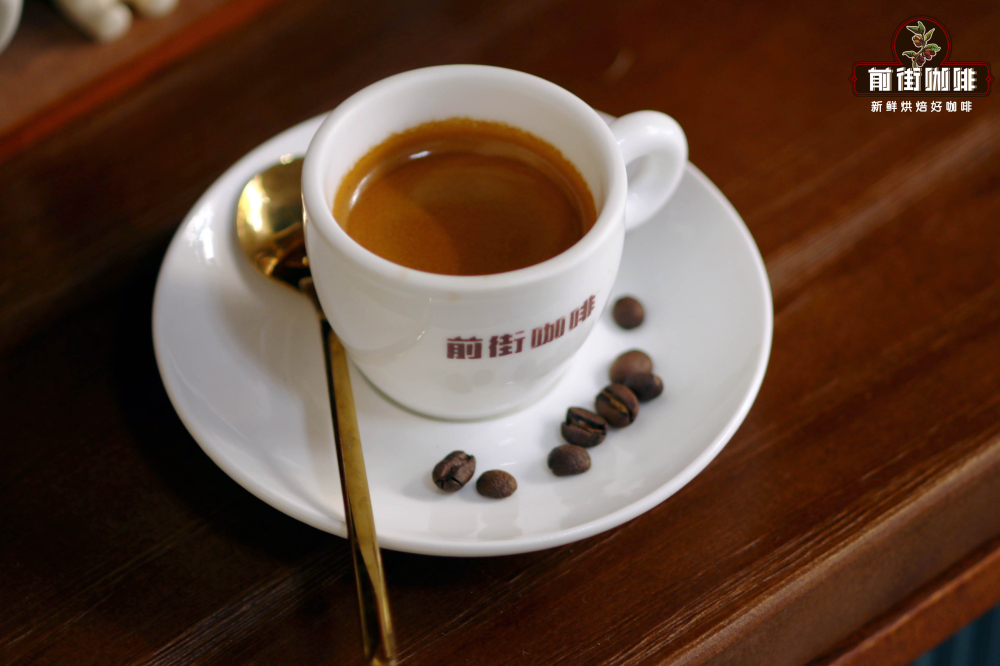
Portafilter structure affects extraction evenness
The internal structure of a double portafilter is straight and cylindrical, allowing for even distribution of the coffee puck. After tamping, the pressure is uniformly applied, which helps maintain stable extraction. A single portafilter, however, has an inverted cone design — its upper opening is similar in diameter to that of a double, but the lower section narrows significantly to accommodate less coffee. While this design maintains consistent puck thickness, it also causes the edges to be more tightly compacted than the center when tamped. As a result, channeling is more likely during extraction, leading to unevenness.
This structural difference means that even by adjusting grind size or slightly increasing the coffee dose (e.g., up to 12.5 grams), a single portafilter still struggles to achieve the same level of extraction stability and flavor performance as a double.
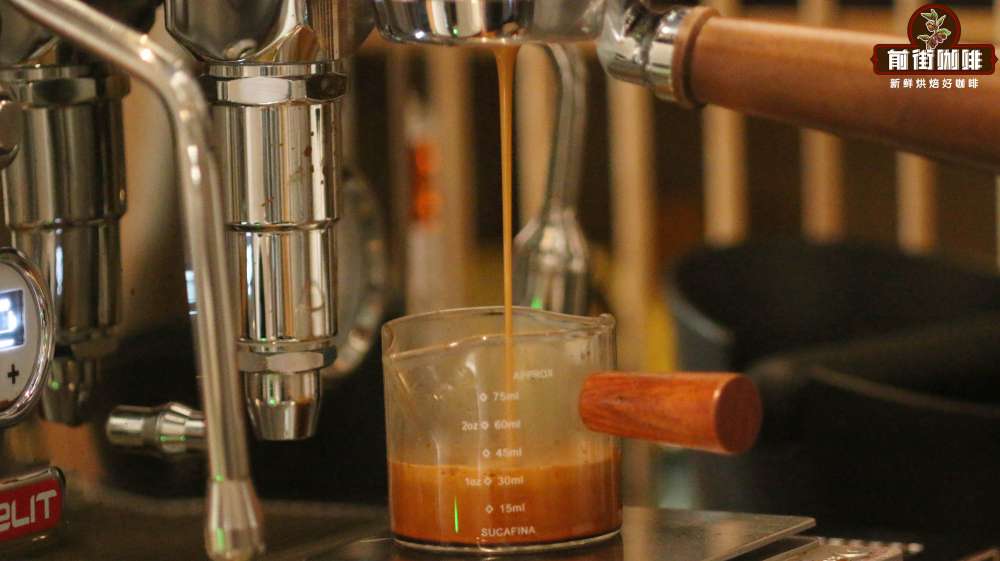
Standard double shot preparation process
Next, using a common double portafilter as an example, we’ll demonstrate how to make a standard double shot. It is recommended to use 18 to 20 grams of coffee, with an extraction ratio of 1:2 — that is, 20 grams of coffee to 40 grams of espresso. If using 18 grams, extracting 36 grams of liquid is appropriate. Extraction time is generally controlled between 20 and 35 seconds, with the optimal range being 28 to 30 seconds, balancing flavor intensity and smooth mouthfeel.
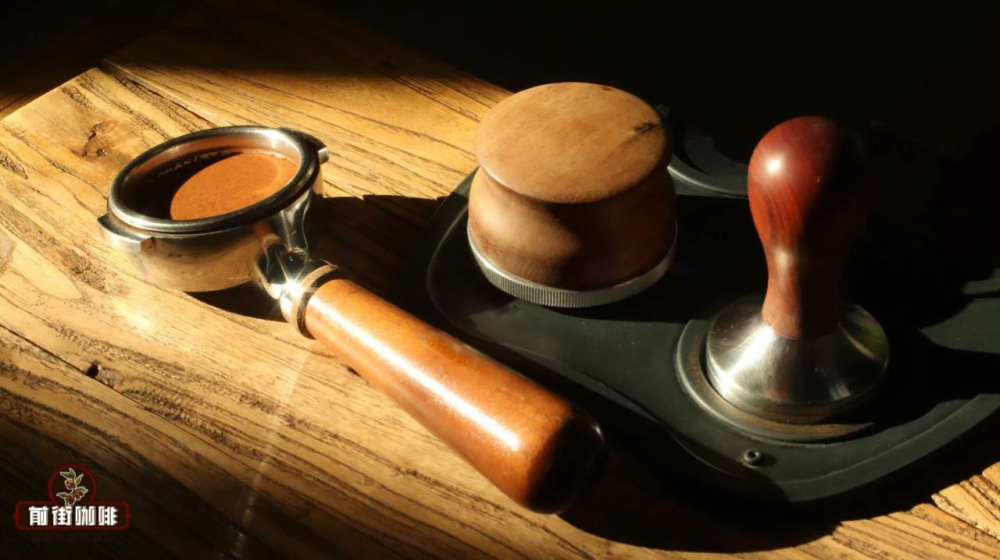
In terms of steps, first ensure the portafilter is dry, and use a scale to accurately weigh the coffee. Then use a distribution tool to evenly spread the coffee grounds, followed by tamping vertically with a tamper to ensure a level and compact puck. Pre-wetting the group head with 1–2 seconds of water helps improve extraction consistency. After securely locking the portafilter into the group head, begin extraction and monitor the weight of the coffee using a scale. Once the target output (e.g., 40 grams) is reached and the time falls within the ideal range, stop the extraction.
It’s important to note that environmental humidity, coffee bean freshness, and grind size all affect actual extraction performance. Therefore, it’s advisable to fine-tune grind size and dose according to daily conditions to maintain stable extraction quality.
Tasting and usage suggestions
A freshly brewed double shot should have a rich crema (coffee foam), with aromas of butter, caramel, roasted nuts, and dark cocoa. The first sip allows you to experience the boldness and layered complexity unique to espresso. It’s recommended to gently stir the crema with a metal spoon, then sip the foam first, followed by the full-bodied coffee liquid. If the flavor feels too intense, you can also adjust to your preference by adding hot water to make an Americano or mixing with fresh milk to create a latte, each showcasing different flavor profiles.
The above content is compiled by CoffeeHunters, a coffee news website.


