








Introduction:The floral aroma in specialty coffee is rich in layers, common yet not always easy to identify. This article delves into the three major types of floral notes in the coffee flavor wheel—bright floral, soft floral, and muted floral—helping you grasp the sensory characteristics of each type, while also recommending three classic coffee beans to assist you in more accurately tasting and describing the subtle floral nuances in coffee, enhancing your pour over and tasting experience.
In the world of specialty coffee, floral is a flavor that is both common and subtle. Many enthusiasts may perceive a hint of freshness or sweetness in the aroma during tasting, but might not be able to clearly distinguish which type it belongs to. In fact, according to the professional coffee flavor wheel, floral aromas can generally be divided into three main categories: bright floral, soft floral, and muted floral—each with its unique sensory traits and representative aromas.
First, let’s take a look atBright Floral—this type of floral note often carries a bright and lively character, with light and easily diffusing aromas, often evoking the atmosphere of spring. In coffee, such aromas may not only resemble the scent of jasmine, but also be accompanied by notes of coffee blossom, magnolia, or orange blossom. This type of floral is quite common in many specialty coffees, especially in some high-altitude, well-processed washed beans. For example, a well-known roaster’s washed Guo Ding Ding is a typical one—it showcases gentle white floral notes paired with citrus, berries, green tea, and a honey-like finish. The overall flavor is fresh and bright, making it very suitable for coffee lovers who prefer a clean and refreshing taste.
Next isSoft Floral—this type of floral gives a gentle, soothing, and slightly sweet impression, often reminiscent of flowers like roses and lavender. These aromas in coffee often carry a touch of sweetness and soft fatty notes, creating a very pleasant drinking atmosphere. Among them, a well-known roaster’s natural Huakui is an excellent representative. This coffee is known for its sweet rose aroma and creamy strawberry flavors, along with tropical fruit notes like guava and dried mango, as well as a slight hint of fermentation. The overall profile is rounded and layered, making it highly suitable for brewing methods like pour over or French press that can fully highlight the aroma.
Finally, there’sMuted Floral—this type of floral is relatively intense and has a certain degree of compactness. At first sniff, it might seem a bit pungent or strong, but upon closer tasting, one can often perceive its deep layers of aroma. This type of floral may sometimes remind one of osmanthus or other flowers with strong scents, commonly found in some Central American-origin coffees. For instance, a well-known roaster’s Costa Rica Mozart coffee bean is a great example. This bean exhibits multiple flavors including osmanthus, raisins, oranges, pineapple, and cream. The aroma is rich yet balanced, making it suitable for coffee aficionados who enjoy complex flavors and bold tastes.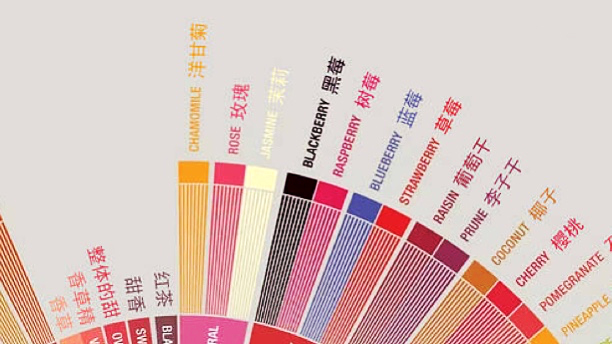
Understanding these three types of floral notes can not only help you describe coffee flavors more precisely when tasting, but also enable you to make more suitable choices when selecting coffee beans based on your personal taste preferences. Whether you’re a beginner just starting with pour over, or an experienced coffee enthusiast, mastering the skill of identifying floral notes can greatly enhance your coffee tasting experience. Try paying close attention to that delicate floral note in your next brew, and explore your own coffee aroma map.
The above content is compiled by CoffeeHunters, a coffee news website.


