







Introduction:Pour over coffee and espresso are two distinctly different brewing methods, not only showing clear differences in flavor expression but also varying greatly in coffee bean selection, roast level, and extraction principles. This article will delve into a comparison of the two in key elements such as bean variety, roast degree, brew ratio, pouring technique, and extraction time, and provide practical pour over steps and espresso machine operation guidelines to help you better understand the diverse world of coffee.
In the world of coffee beverages, pour over coffee and espresso are the two most common types. Pour over coffee typically emphasizes single-origin flavors, using light to medium-dark roasted Arabica beans. Through paper filtration, it presents a clean, clear mouthfeel and rich floral and fruity notes, highlighting the terroir of the origin. Espresso, on the other hand, is often based on blended beans, extracted under high pressure to produce a thick, crema-covered coffee liquid, suitable for pairing with milk to make various milk-based coffees.
Coffee Bean Selection: Single Variety vs. Blended Varieties
Pour over coffee usually selects single-origin, single-variety beans, such as Typica, Bourbon, or Geisha Arabica varieties. These beans generally have bright acidity, rich aromas, and clear regional characteristics, making them ideal for showcasing origin terroir. The roast level is mostly controlled between light and medium-dark to preserve the original flavor details.
In contrast, espresso beans are often blends, combining beans from different regions and varieties, and sometimes even include a small amount of Robusta to enhance the body and intensity of the shot. These beans are generally dark roasted to reduce acidity and intensify aroma thickness, offering complex flavors like caramel, smokiness, or spices, suitable for making Americanos, cappuccinos, and other milk-based coffees.
In specialty coffee shops, the selection of pour over beans often numbers in the dozens, while espresso beans usually remain limited to a few classic blends to ensure stable extraction and consistent flavor.
Extraction Method: Drip Gravity vs. High-Pressure Extraction
Pour over is a drip filtration method that relies solely on the gravity of water penetrating the coffee grounds. The process is slow and gentle, producing no coffee oils (crema), and clearly presents the bean’s regional traits and delicate layers. A standard pour over process takes about 2 minutes, with a common brew ratio of 1:15, and water temperature set between 88°C and 92°C. The grind size is medium-coarse to help control extraction time and flow rate.
Espresso, however, is extracted under 9 bar high pressure through a semi-automatic espresso machine, usually completing the entire process in 25 to 30 seconds. The high pressure not only fully extracts soluble substances from the coffee but also forms a thick layer of crema on the surface, giving the coffee a smooth texture and intense aroma. This type of extraction is ideal for pairing with milk to create classic milk-based coffees like cappuccinos and lattes.
Pour Over in Practice: Three-Stage Pouring and Key Parameters
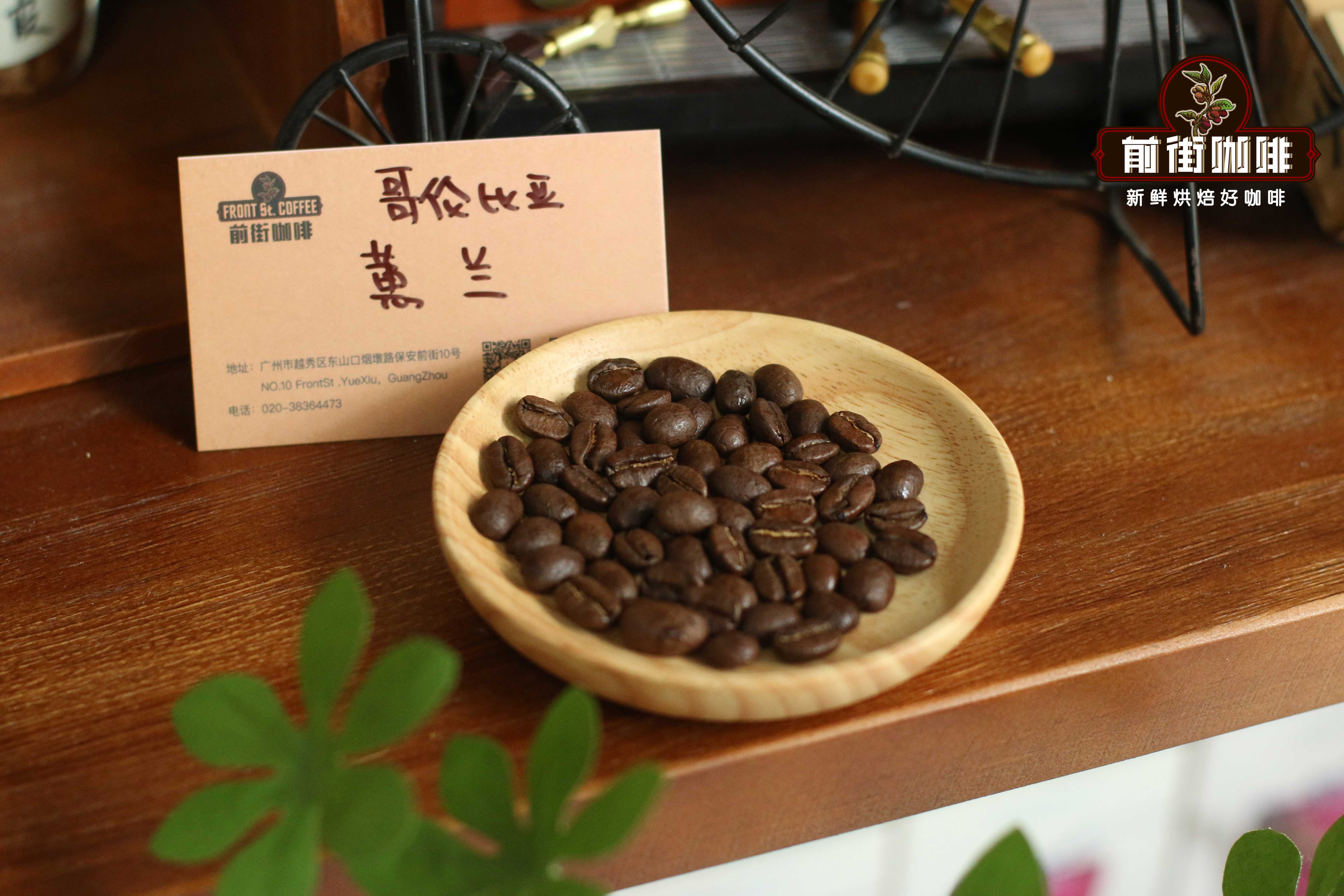
A common pour over technique divides the pouring into three stages, starting with the bloom. Taking Colombian Huila washed Caturra as an example, using 15 grams of coffee grounds, a brew ratio of 1:15, water temperature at 88°C, and a medium-coarse grind (approximately 70% passing through a #20 sieve).
First isthe bloom stage,where about 30 grams of hot water is poured, slowly circling from the center outward. Let it sit for 30 seconds to allow the coffee grounds to fully absorb water and expand, forming what is called the “coffee hamburger” state. Then move on tothe second pour,where about 100 grams of water is poured, keeping the flow steady as the liquid level gradually rises to the short ribs of the coffee bed. This stage helps release more aroma and flavor compounds. Finally comesthe third pour,where another approximately 95 grams of water is poured, using a gentle “aroma-sniffing” motion from the center outward, until the total water volume reaches about 225 grams. The overall extraction time is controlled to around 2 minutes—too long may lead to over-extraction, too short may result in under-extraction.
Espresso Machine Operation: Key Steps from Dosing to Extraction
The standard espresso process begins with precise dosing and distribution. Use a clean, residue-free portafilter basket, grind an appropriate amount of coffee (e.g., 20 grams), and use a distributor to evenly spread the coffee, avoiding uneven density during tamping. When tamping, apply vertical force with moderate pressure, compacting the puck to the basket’s indentation line to ensure even water flow during extraction.
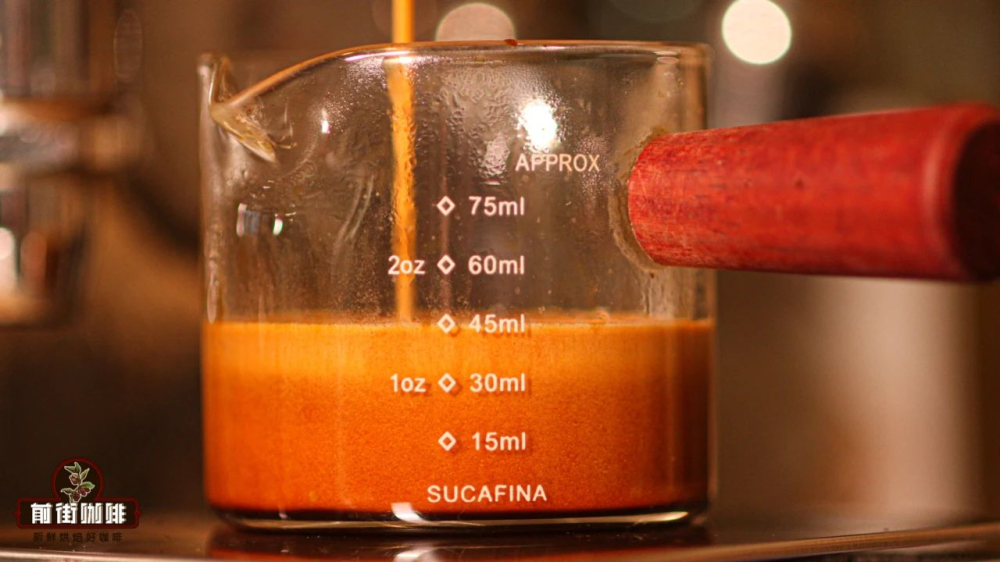
Before extraction, check that the puck surface is flat without cracks, and lightly wet the group head to prevent sticking. Start the extraction by quickly pressing the button. Ideally, the extraction should begin flowing in about 4 seconds, reaching about 40 grams in approximately 28 seconds. At this point, the liquid transitions from dark brown to golden, indicating a balanced and complete extraction.
In summary, both pour over and espresso have their unique charm and challenges. Understanding their differences in bean variety, roast, extraction principles, and operational details can help coffee enthusiasts choose the most suitable brewing method based on personal taste preferences, and further improve the professionalism of home brewing or café operations.
The above content is compiled by CoffeeHunters, a coffee news website.


