







Introduction:Cold brew coffee is characterized by its low-temperature, slow extraction process, yielding a refreshing flavor with low bitterness — making it a summer favorite among many coffee enthusiasts. However, there are significant differences between cold brewing and hot brewing, requiring precise control of water temperature, grind size, coffee-to-water ratio, and steeping time. This article takes an in-depth look at the key brewing parameters for cold brew coffee, from coffee bean selection to extraction details, helping you easily brew a cup with rich layers and a balanced acidity and sweetness.
The biggest difference between cold brew coffee and traditional hot-brewed coffee lies in the fact that it is extracted entirely using cold or iced water. Through extended steeping, the flavors of the coffee are released more gently. Cold brew is generally divided into two main types: cold brew (Cold Brew) and cold drip (Cold Drip). The former involves steeping coffee grounds with cold water together, while the latter uses a dripping method where water slowly passes through the coffee grounds layer by layer to achieve extraction. Many people often wonder: can you use hot water to make cold brew? The answer is simple — no. Coffee brewed with hot water is no longer within the definition of “cold brew” and cannot deliver the refreshing, low-bitterness qualities unique to cold brew.
Since cold brew is carried out entirely in a low-temperature environment (around 4–10°C), the extraction process is slow, making it difficult for large molecular compounds that typically cause bitterness and astringency to be released. Instead, it helps stable extraction of flavor compounds such as sugars and organic acids. As a result, common cold brew coffee tends to have a balanced acidity and sweetness, a smooth and mellow mouthfeel, and fewer off-flavors. If you enjoy coffee but want to avoid overly strong roasted bitterness, cold brew is definitely worth a try.
To brew a great cup of cold brew coffee, the first priority is choosing the right coffee beans. It’s recommended to prioritize medium to light roasted beans, which usually feature bright acidity and clear fruity notes, aligning better with the extraction characteristics of cold brew. Compared to medium-dark or dark roasts, they also offer a higher margin for error. Most single-origin beans labeled as suitable for pour over on the market can also be used for cold brew. If you prefer a clean, juice-like freshness, opt for light-roasted washed beans, such as Ethiopia’s Yirgacheffe or Kenyan beans. For a richer fruitiness and fermentation complexity, consider honey-processed or anaerobic-fermented beans, such as certain lots from Colombia. If you’re not a fan of strong acidity, you may also choose medium-roasted beans with more balanced flavors, such as certain offerings from Papua New Guinea.
In terms of grind size, because cold brew takes place in a low-temperature environment where water’s extraction efficiency from coffee grounds is slower, the grind does not need to be as finely controlled as with pour over, but it is still recommended to be slightly finer than pour over. In practice, the grind can be set to around 75–80% passing through a Chinese No. 20 standard sieve, visually similar to the coarseness of fine sugar. If using an EK43s grinder, adjust to a setting of 9.5–10; if using a hand grinder like the C40, aim for approximately 22–26 clicks. This grind range ensures sufficient extraction surface area without overly releasing impurities.
Steeping time is one of the key factors affecting the flavor of cold brew. Due to the lower extraction efficiency in a cold environment, the steeping time must be extended to fully release the aromas and flavor compounds from the coffee. It is generally recommended to control the steeping time between 8 and 18 hours. Experiments have compared cold brew performance at different durations: coffee steeped for 6 hours tends to taste weak and lack aroma; 24-hour brews are prone to over-extraction, resulting in noticeable bitterness; whereas cold brew steeped for 10–16 hours usually achieves a good balance between acidity, sweetness, and body, delivering the most complete flavor profile.
The coffee-to-water ratio is equally important. Many people, for convenience, simply mix coffee grounds with water and let them steep, overlooking how the ratio affects the final concentration and taste. To ensure stable flavor in your cold brew, it’s recommended to maintain a coffee-to-water ratio between 1:10 and 1:13. If the ratio is too high, the coffee may end up too strong, in which case you can dilute it with ice or cold water before drinking. The right coffee-to-water ratio allows the acidity, sweetness, and body of the coffee to reach an ideal balance — and it’s the foundation for brewing a delicious cup of cold brew.
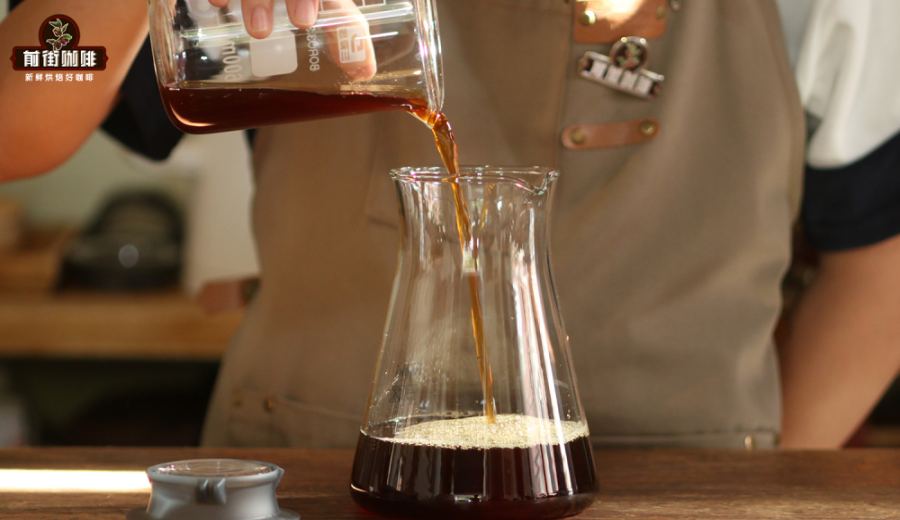
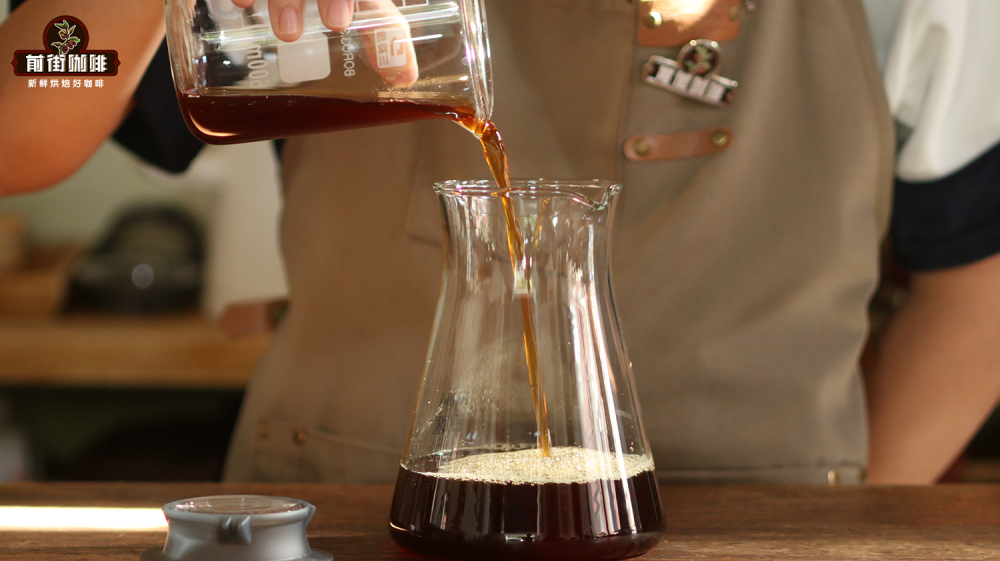
For actual preparation, all you need is a clean, sealable container. Taking a common recipe as an example: take 40 grams of medium-light roasted coffee beans, grind them to the coarseness of fine sugar (approximately 85% passing through a No. 20 sieve, or 9.5–10 on the EK43s; or about 22–26 clicks on a hand grinder like the C40), place them in the container, then pour in 480 milliliters of cold water. Stir gently to mix evenly and cover with a lid. To prevent impurities or odors from affecting the brew, you can seal the container opening with plastic wrap, then refrigerate for about 12 hours. After steeping, remove the grounds by filtration, and you can enjoy a clear cold brew coffee liquid. For a rounder flavor, you may also bottle the filtered coffee and refrigerate for another 4 hours, which can further enhance the flavor layers.
Whether you’re making cold brew or cold drip, the caffeine content in low-temperature extracted coffee has a relatively short shelf life. It is recommended to consume it within 5 days after brewing to ensure optimal flavor and drinking safety. By mastering the key details of water temperature, grind size, time, and coffee-to-water ratio, even beginners can easily brew a delicious cup of personalized cold brew coffee.
The above content is compiled by CoffeeHunters, a coffee news website.


