







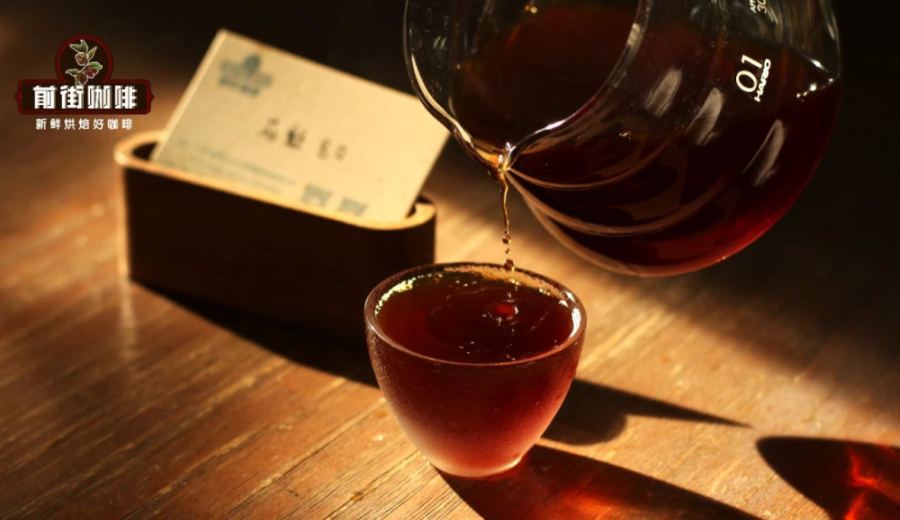
Introduction:The Huacai (HuaKui) coffee is renowned for its intense fruity aroma and unique processing method, but the story behind its producing region and processing details is even more worth exploring. This article will take you into Ethiopia’s Hambella region to learn how Buku Abel Estate cultivates layers of passionfruit and peach flavors through high altitude and 18-day sun-drying, and to analyze the techniques of this black honey process along with practical brewing recommendations.
In the world of specialty coffee, Huacai coffee stands out as a dreamy gem for many coffee enthusiasts with its bold and passionate fruitiness and multi-layered taste. These beans from Ethiopia, with their distinct notes of passionfruit, peach, and berries, have deeply captivated the palates of coffee lovers worldwide. However, what truly sets Huacai apart is not just its enchanting flavor profile, but also its origin from a specific region, carefully selected and processed using special techniques.
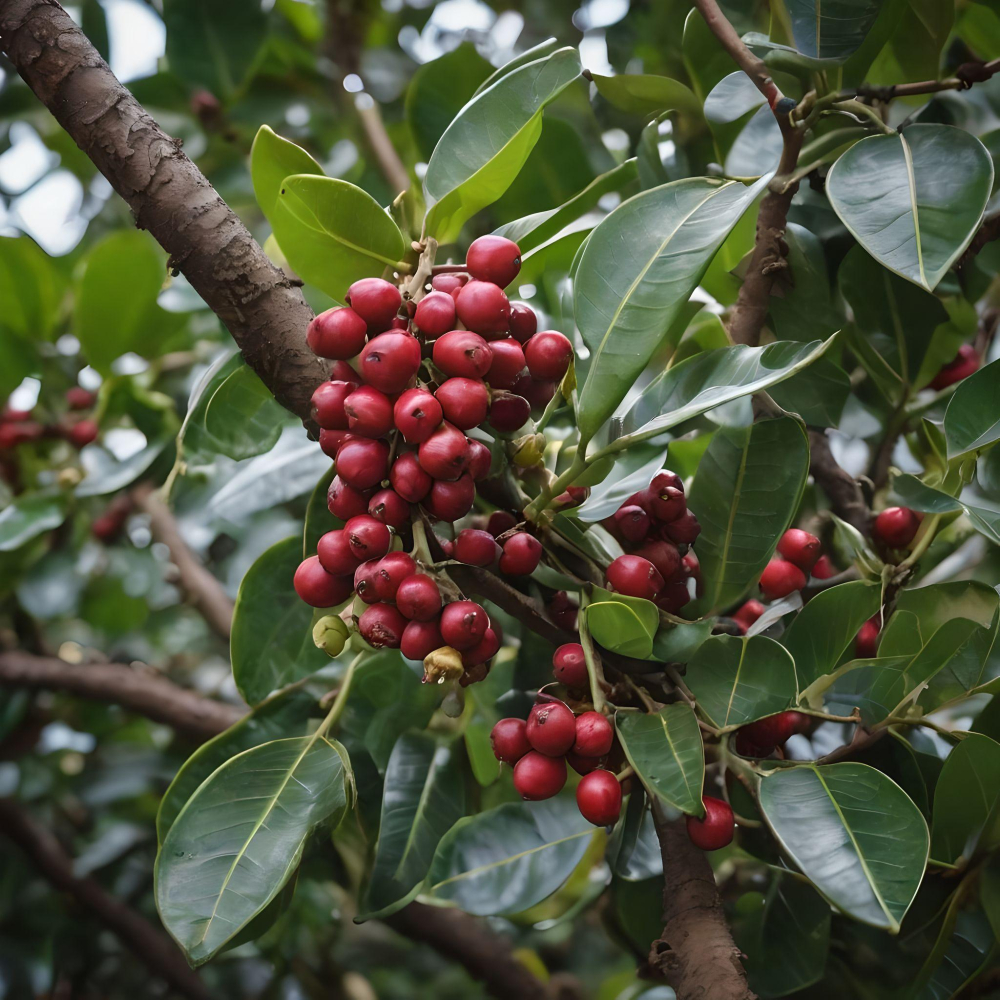
The true Huacai refers to the sun-dried batches of coffee beans produced at Buku Abel Estate in Ethiopia’s Hambella region. This highland area, situated at an altitude of over 2,280 meters, boasts exceptional climate and soil conditions, making it an ideal place for growing premium coffee. Especially when the coffee harvest season arrives every December, the red coffee cherries covering the hillsides are not only a symbol of harvest but also the starting point of Huacai’s creation.
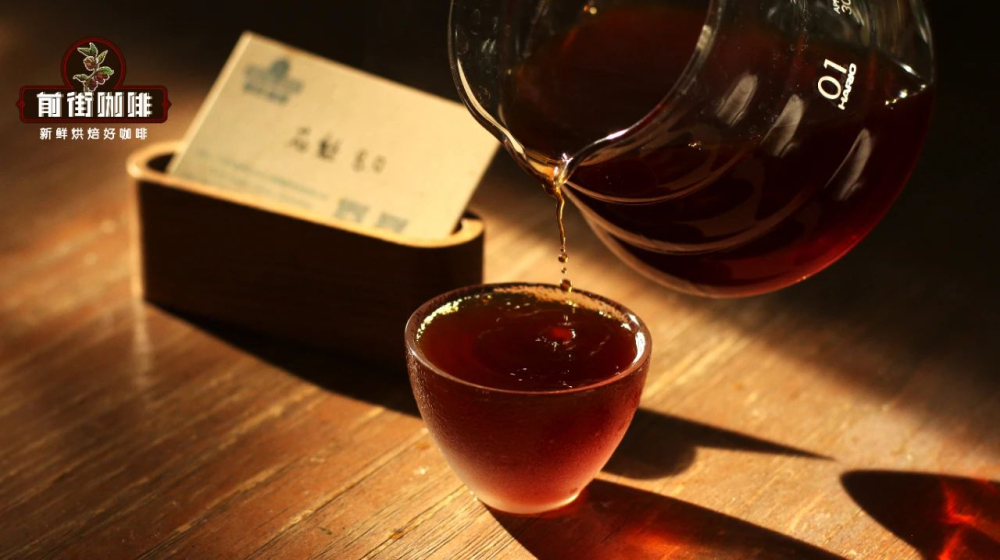
Buku Abel Estate is located in a small village surrounded by mountains, with all coffee trees planted at elevations between 2,250 and 2,350 meters on the mountainside or higher. Such altitude not only increases the day-night temperature difference but also helps the coffee cherries ripen slowly, accumulating richer sugars and flavor compounds. The red cherries used by the estate all have a sugar content of 30 or above. Only after ensuring quality are they subjected to the subsequent complex and time-consuming sun-drying process.
The sun-drying process of Huacai takes 18 days, during which precise control of weather and temperature changes is required. In the first two days of sun-drying, the moisture level of the coffee cherries must be carefully maintained to facilitate sufficient fermentation. When nighttime temperatures drop to around 12°C, it naturally helps suppress the risk of over-fermentation, ensuring the purity and balance of the final flavors. After 18 days, the pulp and skin are completely dehydrated, allowing the green coffee beans to be easily separated. They then need to rest in a constant temperature and humidity environment for about 50 days to mature and dehydrate until the moisture content stabilizes at around 11%, after which hulling and packaging can take place.
In addition to sun-dried Huacai, the black honey process version from the Yirgacheffe region is also highly regarded. This coffee is based on Ethiopia’s native Heirloom variety, grown at altitudes between 2,000 and 2,200 meters. Through the honey process, part of the fruit mucilage is retained, giving the coffee a richer sweetness and fruitiness.
According to records, in 2017, the sun-dried batch selected and submitted by Ethiopia’s DW coffee bean company to the TOH (Taste of Harvest) competition won the championship in the Ethiopian division. This honor undoubtedly helped establish the series’ status in the international specialty coffee market. The complex flavors exhibited by this coffee—including floral, citrus, peach, blackcurrant, lychee, plum, and vanilla—also make it a must-try for pour-over and cold brew enthusiasts.
If you want to try brewing this black honey coffee at home, you can choose either pour-over or cold brew methods. Among them, cold brew is particularly effective in highlighting its layered and full-bodied character. It is recommended to use about 30 grams of coffee grounds for 1–2 servings, with a coffee-to-water ratio of 1:13—that is, approximately 390 to 400 grams of cold or ice water for extraction. The grind size is suggested to be close to white sugar but slightly finer, around 70% to 75% passing through a Chinese standard No. 20 sieve, to ensure full flavor release while maintaining smooth mouthfeel.
During the process, place the coffee grounds and ice water in a clean, oil-free airtight container, stir thoroughly, and then let it sit in the refrigerator for 8 to 12 hours. After completion, it is recommended to let the coffee liquid rest for another 3 to 4 hours to allow the flavors to meld and soften further before filtering. For filtration, it is advised to use high-quality filter paper to avoid residue or cloudiness, ensuring you can enjoy the purest flavor characteristics of this coffee.
The above content is compiled by CoffeeHunters, a coffee news website.


