








Introduction:Americano is a daily choice for many coffee enthusiasts, whether hot or iced, it can showcase the unique flavor characteristics of the coffee beans themselves. However, the same coffee beans may exhibit significant differences in aroma, acidity and sweetness, and even overall mouthfeel when brewed hot versus cold. This article will delve into the taste differences between hot and iced Americano, analyze how extraction parameters affect flavor, and provide shop-level operational tips so you can brew a well-layered, flavor-clear Americano at home.
With the rise of the specialty coffee trend, consumers are pursuing the essence of coffee with increasing refinement. Compared to milk-based drinks like lattes or cappuccinos, Americano, which contains no additives, better highlights the origin characteristics and roast profiles of the coffee beans. Among them, Americano made by diluting espresso with water is one of the most common and beginner-friendly options. But did you know? Even when using the same coffee beans, hot and iced Americano can taste quite different.
Temperature is a key factor influencing our taste perception when drinking coffee. For example, hot coffee right after brewing has the most intense aroma, as the volatile aromatic molecules are highly active in the warm state, making it easy to detect layers such as caramel, cream, and chocolate. However, as the temperature drops, the tongue’s sensitivity to bitterness and sweetness gradually decreases, while its perception of acidity becomes sharper. In addition, quinic acid in coffee slowly transforms into quinic acid lactones over time, which also makes the coffee taste more acidic as it cools — this is why many people find that coffee gets more “acidic” as it gets cold.
< >
Taking the commonly used Warm Sun blend as an example, this bean blend consists of 70% Honduran Sherry cask-aged beans and 30% Red Cherry Project Yirgacheffe processed via natural sun-drying, delivering distinct notes of wine, dark chocolate, and berries. When it is extracted as espresso and diluted at a ratio of 1:4.5 (it is recommended to use about 40 grams of espresso with 180 grams of hot water), it becomes the classic hot Americano served in-store. This ratio balances the strong flavors of the espresso while allowing aromas such as cream, vanilla, and dark cocoa to clearly shine, especially in hot form where the aromatic molecules diffuse more actively in the air, resulting in a rich and layered taste upon drinking.
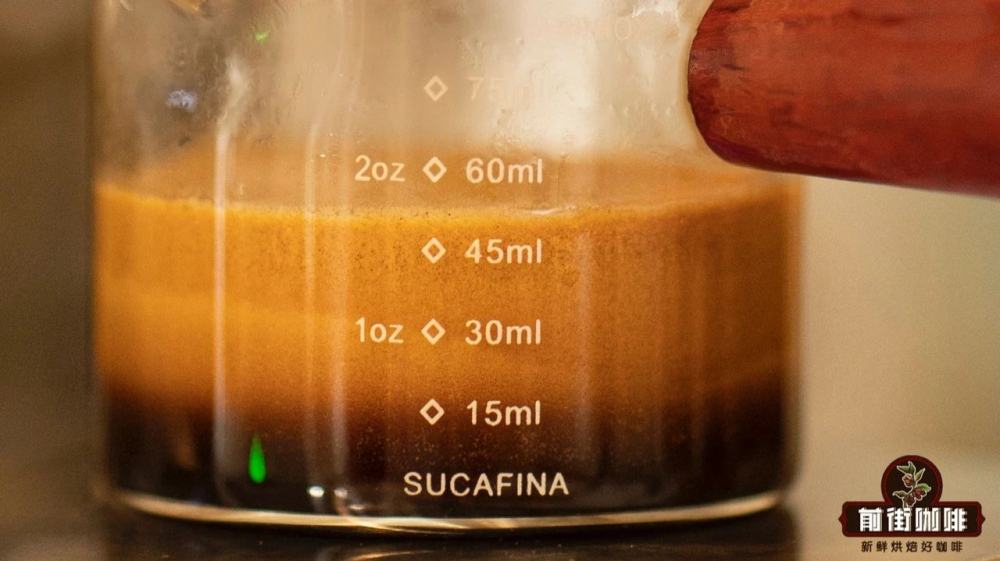
For making hot Americano, it is recommended to use a double shot of coffee, about 20 grams of coffee grounds, with an extraction time controlled between 28 to 33 seconds, in order to achieve an espresso base that offers both strength and flavor. Then, slowly pour the extracted espresso into a cup pre-filled with about 80% (approximately 80°C) hot water to get the best flavor expression. This brewing method not only balances the acidity and sweetness of the coffee but also preserves its rich body, making it ideal for those who enjoy savoring the layered flavors of coffee.
In contrast, iced Americano tends to have a more refreshing and straightforward flavor profile. A common method is to place three large ice cubes in the cup, first fill it with plain water to about nine-tenths full, then pour the same ratio of double espresso (about 40 grams) directly over the ice and water. This approach rapidly lowers the coffee temperature while avoiding excessive dilution. Due to the chilling process, the acidity and sweetness of the coffee become more concentrated, and the flavor profile often falls within the range of dark cocoa, berries, and subtle wine notes. The overall presentation is refreshing yet layered, making it especially suitable for hot weather or when you want to quickly enjoy a cup of coffee.
< >
It is worth noting that, whether it’s hot or iced Americano, the quality and temperature of the water can greatly affect the final extraction results. It is recommended to use filtered or soft water to avoid impurities or excessively high mineral content in the water interfering with the release of coffee aromas. Additionally, if you want to achieve a better mouthfeel for iced Americano, you can also try pouring the espresso directly over the ice without adding water first, letting it sit briefly before topping up with plain water to adjust the concentration. This can help lock in the aroma and delay the issue of over-dilution caused by melting ice.
Overall, hot and iced Americano each have their own unique charm. Hot drinks are suitable for slow sipping, allowing you to fully experience the changes and layers of coffee aroma; iced drinks are better for quick enjoyment, highlighting a bright and refreshing balance of acidity and sweetness. With an understanding of these differences, whether ordering out or brewing at home via pour over or espresso, you can choose the Americano that best suits your mood and situation.
< >
The above content is compiled by CoffeeHunters, a coffee news website.


