








Introduction:To brew a balanced and complex espresso at home or in a café, blends are often the key. Compared to single-origin beans, blends combine flavors from different regions, creating a stable yet distinctive coffee experience. This article will explore the design logic behind blends from both home and commercial perspectives, and offer several practical blend recipes based on different flavor preferences to help you easily find the right beans.
The charm of espresso often lies in the delicate balance of acidity, sweetness, bitterness, and saltiness, which is largely thanks to the contribution of blended beans. While single-origin beans can showcase terroir characteristics in pour over brewing, they often appear thin and lack complexity under high-pressure extraction in an espresso machine. As a result, more and more coffee enthusiasts and shop owners are turning to blends, using a thoughtful combination of beans from various origins to create a consistent yet richly layered coffee experience.
Looking back in history, blends were initially created to balance batch inconsistencies and defect beans. But as coffee culture has evolved, blending has become more than just a "remedy"—it’s now a core strategy for shaping brand flavor profiles and ensuring consistent output. For home users, the focus when choosing blends should be on freshness and personal taste preferences. For shop owners, in addition to flavor, factors such as cost, stability, and extraction performance must also be considered to meet customer expectations.

To craft a rich and balanced espresso, the blend ratio and roast level are crucial. Below are five practical blend directions and suggestions tailored to different needs. Whether you're just starting out or running a coffee shop, you’ll be able to quickly find a suitable bean combination.
If you’re aiming for a classic espresso with a bold, full-bodied profile, consider a blend that includes Brazilian and Indonesian beans. These recipes often incorporate a small amount of Robusta to enhance crema and body, making them ideal for latte art and milk-based drinks. They are not only suitable for everyday home use but also meet most customers' expectations of a “traditional espresso.”
Quick Tip:Blends that include Robusta may boost crema and body but tend to have lower acidity, making them better suited for those who prefer a stronger, richer taste.
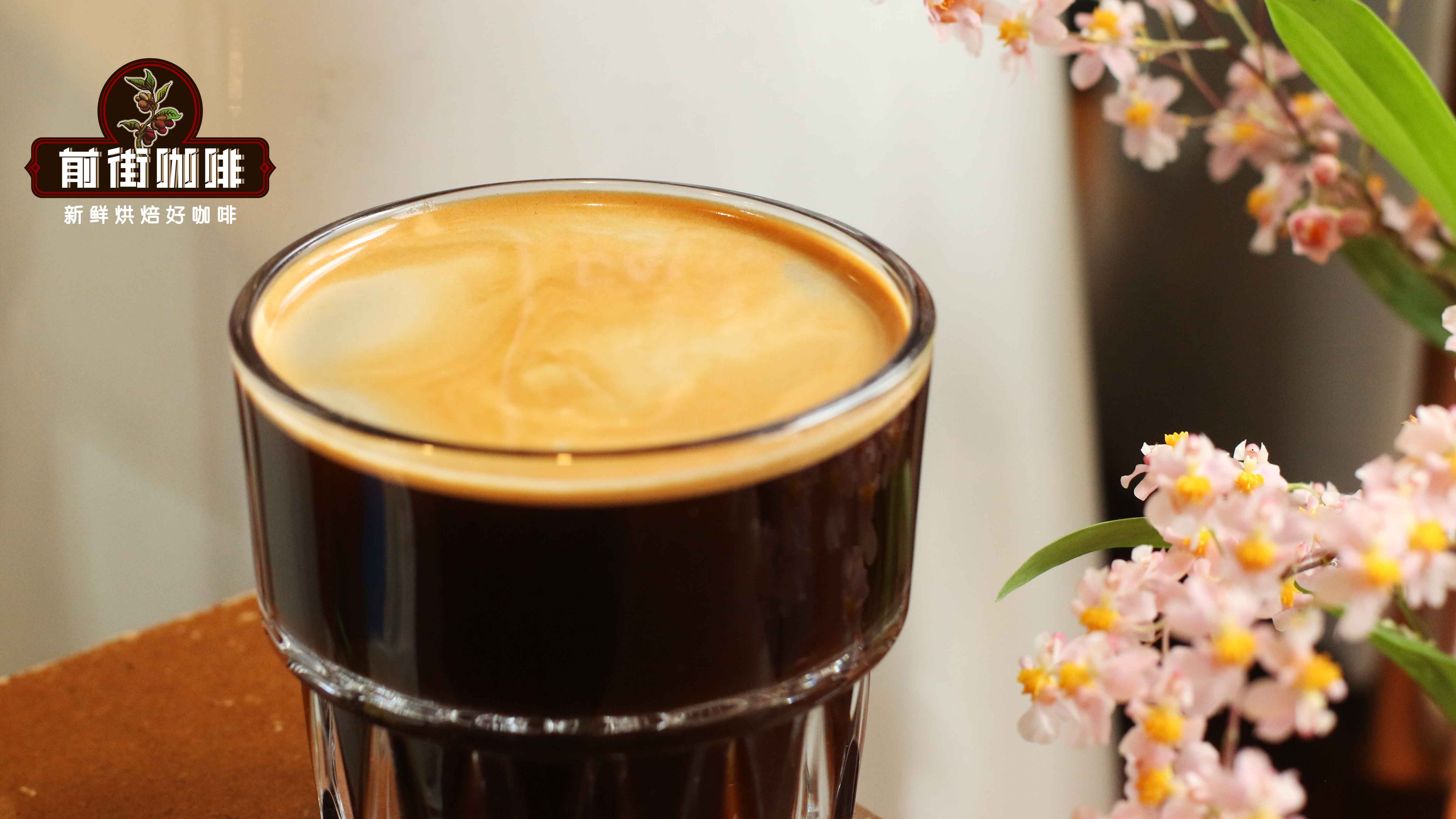
For those who enjoy an espresso with pronounced fruity notes and a clear sweet-acidic balance, a medium-roast blend is a good choice—such as one combining Costa Rican honey-processed beans with Ethiopian natural beans. These blends often yield flavors of berries, caramel, and subtle floral notes after extraction, with fine and long-lasting crema, perfect for those who prefer a bright and refreshing taste. They are especially well-suited for single-shot espressos or those paired with a small amount of milk.
If you prefer a bold flavor with nutty and chocolatey notes, a blend of Brazilian and Colombian beans is a great option. The nutty aroma and balanced sweet-acidic profile of Brazilian beans, combined with the chocolatey richness and full body of Colombian beans, create a composite flavor reminiscent of butter cookies and roasted nuts. This blend is ideal for making Americanos or as a latte base, offering a smooth and layered taste.
To recreate the rich crema and intense aroma of a café-style espresso, a medium-dark roast multi-origin blend is your best bet. Combining beans from Brazil, Colombia, Vietnam, and other regions, this type of blend releases deep caramel, toasted grain, and nutty aromas under medium-dark roasting. It produces a smooth and velvety crema, making it ideal for milk-based coffees like lattes and cappuccinos. Plus, it offers great value, making it a practical choice for both home and shop use.
For beginners or those on a budget, an entry-level blend that offers balanced flavor at an affordable price is recommended. These beans typically feature mild fruity acidity, caramel sweetness, and a dark chocolate finish, with a smooth mouthfeel that's easy to enjoy. They require no complicated equipment to produce satisfying results, making them perfect for daily drinking or practice brewing.
In summary, blends are not just a “mixture of different beans,” but the result of careful design based on flavor goals, usage scenarios, and budget. Whether you're enjoying coffee at home or running a café, understanding the logic behind blending and the key factors in selecting beans can help you brew your ideal cup of espresso with ease.
The above content is compiled by CoffeeHunters, a coffee news website.


