







Introduction:Espresso is renowned for its intense flavor, but many are put off by its strong bitterness. This article delves into the sources of espresso’s bitterness, exploring its historical background, roasting characteristics, and crema formation mechanisms to analyze its flavor profile and extraction essentials. It also provides practical adjustment suggestions and serving methods to help readers better understand the soul of this coffee and master the tricks to making espresso more palatable.
Espresso, characterized by concentrating the essence in a small cup, serves as the base for many specialty coffee drinks. However, its intense bitterness makes it hard for many to accept, and outside of Italy, few drink it straight. Most people opt to mix it with water or milk, leading to the creation of popular beverages like Americano and latte. Understanding why espresso is so bitter and how to adjust its flavor is key to further appreciating this classic drink.
The common perception that espresso is too bitter is closely tied to its history and preparation method. The term "espresso" comes from Italian, meaning "fast," reflecting the efficiency-driven origin of this brewing method. As early as 1884, Italian Angelo Moriondo invented the first espresso machine, using steam pressure to extract coffee at 1.5 bar — the resulting brew was already thicker than drip coffee. With technological advancements, by 1948, Achille Gaggia introduced a lever-operated high-pressure machine capable of generating over 9 bar of pressure, giving rise to the familiar coffee crema, which laid the foundation of modern espresso.
At the time, the Italian market favored a strong, rich coffee taste, so beans were often roasted very dark, sometimes even blended with a certain proportion of Robusta to achieve thicker crema and stronger aroma. However, modern consumers increasingly seek diverse flavors, and some shops have started experimenting with brighter blends. For example, some espresso blends exhibit noticeable berry-like acidity and fermented wine notes, followed by soft fruit acids and vanilla undertones on the palate. Though still maintaining the body typical of espresso, their flavor layers are richer.
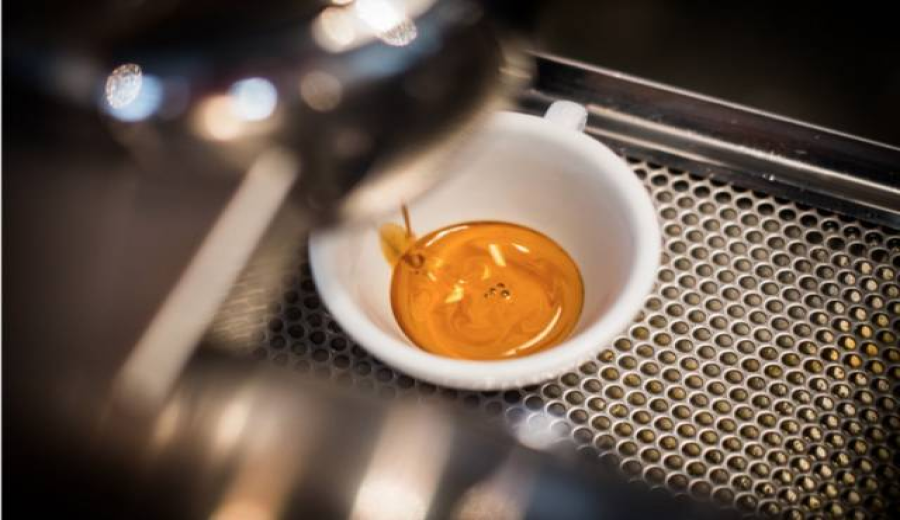
To understand the bitterness of espresso, one cannot overlook the role of its crema. A layer of fine, golden-brown foam often appears on the surface of freshly extracted espresso — this is the famed crema. The formation of this crema is related to the large amount of carbon dioxide released by roasted coffee beans. Under pressures as high as 9 bar or more, carbon dioxide and water-soluble compounds are forced out and combine with trace amounts of coffee oils to form a dense foam. These bubbles, being light, rise to the liquid’s surface, creating the captivating crema layer.
The performance of crema is closely related to the roast level and freshness of the coffee beans. Generally speaking, the darker the roast, the more carbon dioxide accumulates inside the beans, resulting in more abundant crema. Additionally, freshly roasted beans contain a lot of residual gases, so it's recommended to allow them an appropriate “resting period” to let some gases dissipate naturally, helping stabilize extraction and reduce the risk of over-extraction. The ideal resting time is usually 7 to 10 days after roasting. During this period, the beans’ flavors gradually balance out, and more details can be revealed during extraction.
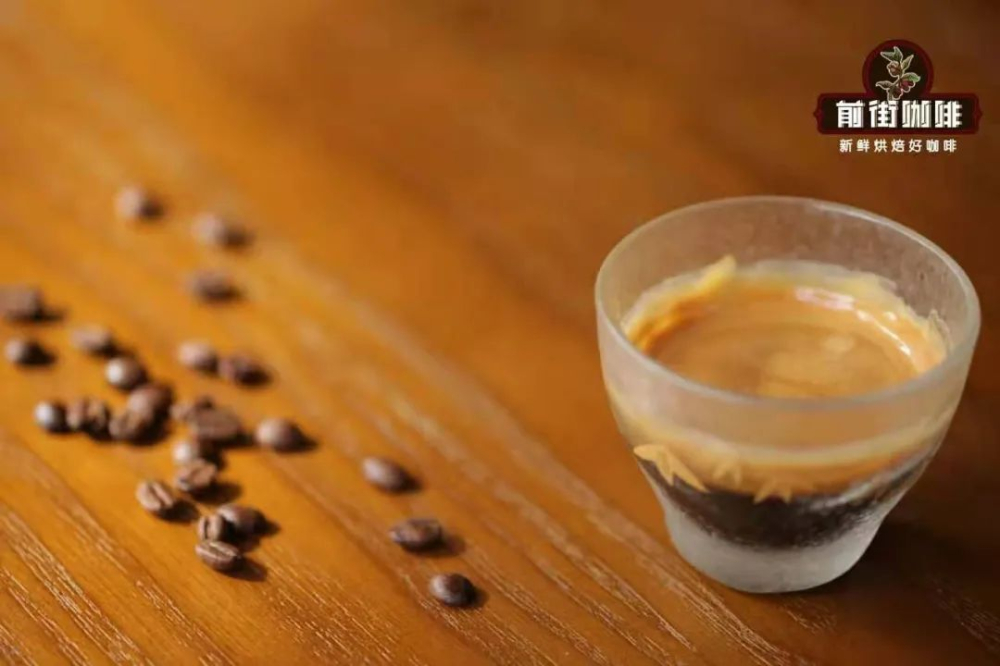
So, how should the average consumer enjoy espresso? For those new to this intense flavor, drinking it straight may feel overwhelming or even hard to swallow. It’s suggested to first observe its appearance — pay attention to the color of the coffee liquid, the thickness and evenness of the crema layer; then smell its aroma to determine if there are notes of roastiness, fruit, or chocolate; when tasting, note whether the bitterness is overly prominent or if there are balanced acidity and sweetness. If straight espresso feels too heavy, you might choose to dilute it with hot water to make an Americano, or mix it with milk to create a latte or cappuccino, reducing the overall intensity and highlighting different flavor dimensions.
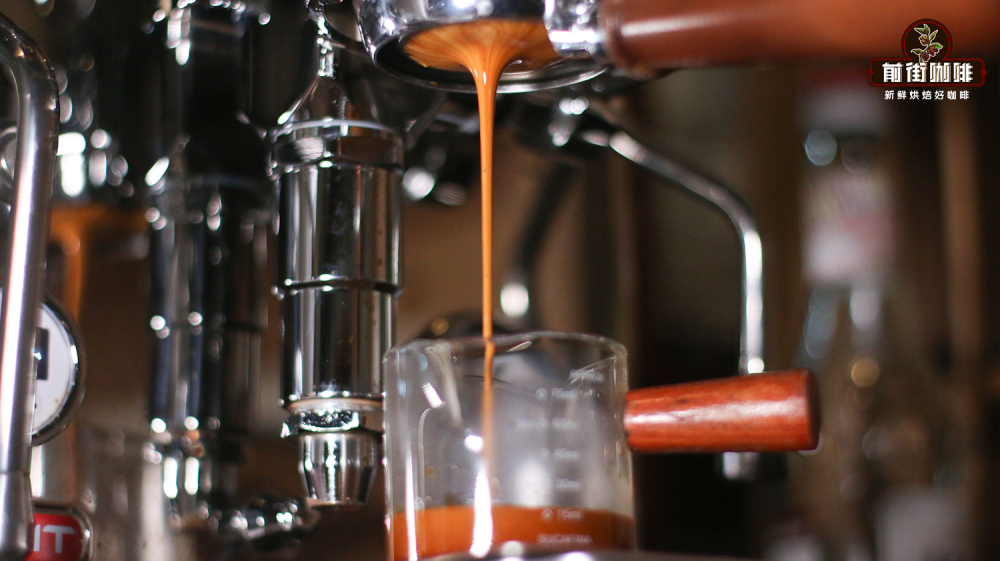
Moreover, the extraction parameters of espresso greatly influence its final flavor. The generally recommended extraction pressure is 9±1 bar, water temperature around 90–96°C, with a fine grind to ensure sufficient resistance. Extraction time is typically controlled within 25–30 seconds, with a total output of about 25–30 milliliters. If the result is overly bitter or astringent, it could be due to too fine a grind, excessive extraction time, or high water temperature causing over-extraction. Conversely, if the flavor is too thin or lacks complexity, it might be because the grind is too coarse, pressure is insufficient, or extraction is inadequate.
In summary, the bitterness of espresso is not unadjustable. By understanding its historical background, crema formation mechanism, and extraction parameters, one can scientifically grasp its flavor balance. Whether enjoyed as a single origin or as the base for specialty drinks, mastering these basic principles will help you make more satisfying choices when ordering at a café or brewing at home.
The above content is compiled by CoffeeHunters, a coffee news website.


