








Introduction:Did you know? The flavor of coffee is not only derived from the growing environment but is also closely tied to the harvesting and processing methods. This article delves into the "Red Cherry Project" initiated by the Netherlands-based Trabocca, exploring how it elevates the overall quality of Ethiopian coffee through exclusively hand-picking fully ripe red cherries and rigorous cupping standards. It also takes you on a tasting journey of a classic naturally processed Yirgacheffe G1 grade Red Cherry coffee bean — from its flavor profile to the ideal brewing methods — giving you a comprehensive grasp of the essence of high-altitude specialty coffee.
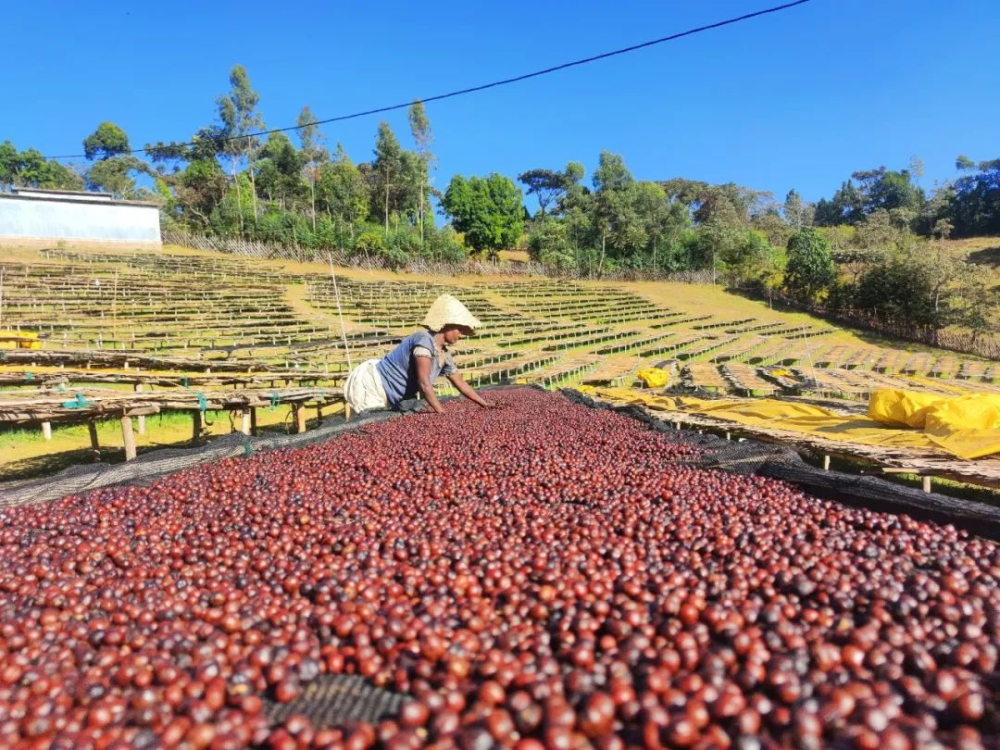
The formation of coffee flavor depends not only on factors such as altitude, soil conditions, and microclimate, but harvesting methods are also one of the key determinants of quality. While machine harvesting is astonishingly efficient, it often fails to distinguish fruit ripeness, resulting in a mix of underripe or overripe coffee cherries. In contrast, manual harvesting allows for precise selection of only fully mature red cherries based on color and firmness — an approach that proves especially crucial in mountainous regions like Ethiopia.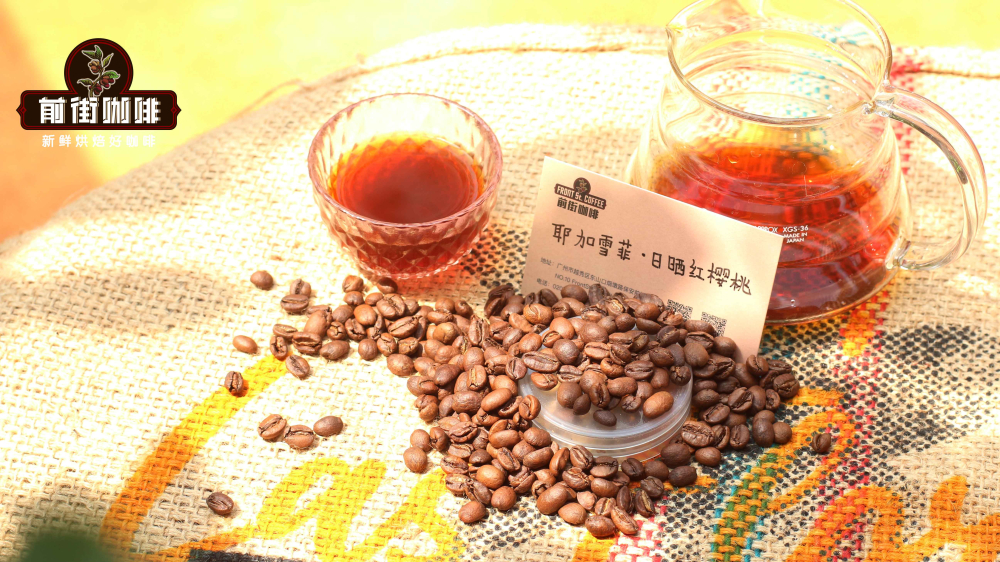
In the early days when specialty coffee was still in its infancy, many producing regions operated under a "quantity over quality" production logic — prioritizing maximum yield rather than enhancing flavor quality. Coffee farmers’ income largely depended on the total volume sold, which reduced their motivation to carefully select ripe fruits. However, as global demand for specialty coffee grew, more industry players began focusing on origin-level details. Among the most representative initiatives is the 2007 "Red Cherry Project" launched by Dutch coffee bean trader Trabocca.
The Red Cherry Project (Operation Cherry Red, abbreviated as OCR) aims to enhance the quality of coffee from smallholder farms in Ethiopia by implementing strict harvesting and processing standards right at the source. The program requires farmers toharvest only 100% fully red and ripe coffee cherriesand to pick them entirely by hand, eliminating interference from unripe or overripe fruits. This commitment significantly improves the flavor consistency and complexity of the final coffee beans.

Another hallmark of the Red Cherry Project is that, ahead of the harvest season, Trabocca invites farms across Ethiopia to collaborate in producing small batches of specialty coffee beans — each batch weighing around 1,500 to 3,000 kilograms (equivalent to 25 to 50 bags). After harvest, these beans undergodouble cupping evaluations by professional Q graders based in Addis Ababa, Ethiopia and Amsterdam, the Netherlands, with only those meeting high standards progressing to the next stage. Thanks to this stringent screening process, many high-potential coffees that might otherwise have gone unnoticed get the chance to shine.
Red Cherry Project beans that pass the cupping tests are auctioned internationally by Trabocca, often fetching prices up to four times the international coffee commodity rate — with the highest record reaching up to 20 times. This reward mechanism effectively motivates farmers to invest more effort into quality management, creating a virtuous cycle. In addition, the project provides technical support such as donating sun-drying racks, shade nets, small generators, and offering loans as well as training on processing techniques — all aimed at comprehensively improving the region’s processing capabilities and infrastructure.
The project spans multiple renowned producing areas, including Yirgacheffe, Sidamo, Pungamo Forest, Lekempti, Kembaata, Illubabor, Harrar, Limu, and the 2011 addition of the Golocha region. Each area, due to differences in microclimate and altitude, showcases unique flavor profiles, making the Red Cherry Project a vital window into the diversity of Ethiopian coffee.
To personally experience the results of the Red Cherry Project, try a naturally processed G1 grade coffee bean from Yirgacheffe — the commonly available "naturally processed Red Cherry" is one such example. This bean, crafted through traditional sun-drying methods, fully retains the sweetness and fruity aromas of the pulp. When brewed, it delivers intense tropical fruit notes such as blueberry and mango, along with bright acidity and a smooth black tea-like finish. Whether brewed via pour over, cold brew, espresso SOE, or even American drip, it reveals a rich spectrum of flavor layers.
In summary, the Red Cherry Project is not just an innovative mechanism for elevating coffee quality, but also a model of collaboration between origin producers and international buyers. Through strict harvesting criteria, double cupping evaluations, and a fair reward system, it has successfully reversed the previous “quantity over quality” industry dilemma, laying a solid foundation for the international reputation of Ethiopian specialty coffee. If you’re a pour over enthusiast or have a high demand for flavor intricacy, start with this classic naturally processed Yirgacheffe Red Cherry bean to experience the exquisite balance brought by high altitude and meticulous processing.
The above content is compiled by CoffeeHunters, a coffee news website.


