







Introduction:Want to explore the charm of SOE (Single Origin Espresso)? This article starts with its definition and origins, dives deep into the differences between single-origin beans and blends, discusses why SOE beans are generally more expensive, and introduces several high-quality beans that excel both in pour over and as SOE. Finally, with a hands-on approach, it provides detailed extraction settings and steps for the Hua Kui SOE, allowing you to easily replicate professional-level flavors at home.
In recent years, SOE (Single Origin Espresso) has taken the specialty coffee scene by storm, overturning the traditional dominance of blends in espresso. By using beans from a single origin and often a single variety, SOE not only showcases unique regional terroir but also brings a fresh flavor dimension to espresso.
Traditional espresso often relies on dark-roasted blends to deliver rich notes of nuts and chocolate. However, with the rise of the specialty coffee movement, more and more baristas have started experimenting with single-origin beans to make espresso, creating more distinctive SOEs. This practice can be traced back to as early as 2007, but it wasn’t until around 2010—when SOE performances at the World Barista Championship gained widespread acclaim—that it began to attract significant market attention.
A common question is: What’s the difference between SOE, single-origin beans, blends, and pour over beans? Simply put, if categorized by brewing method, they mainly fall into two types: drip methods (like pour over) and pressure methods (like espresso machines). Single-origin beans emphasize beans from a specific region but aren’t limited to a single variety; blends, on the other hand, are intentionally mixed with beans from different regions or varieties to achieve flavor balance or cost efficiency. SOE specifically refers to espresso made using single-origin beans, with the key goal of highlighting the unique characteristics of that origin.
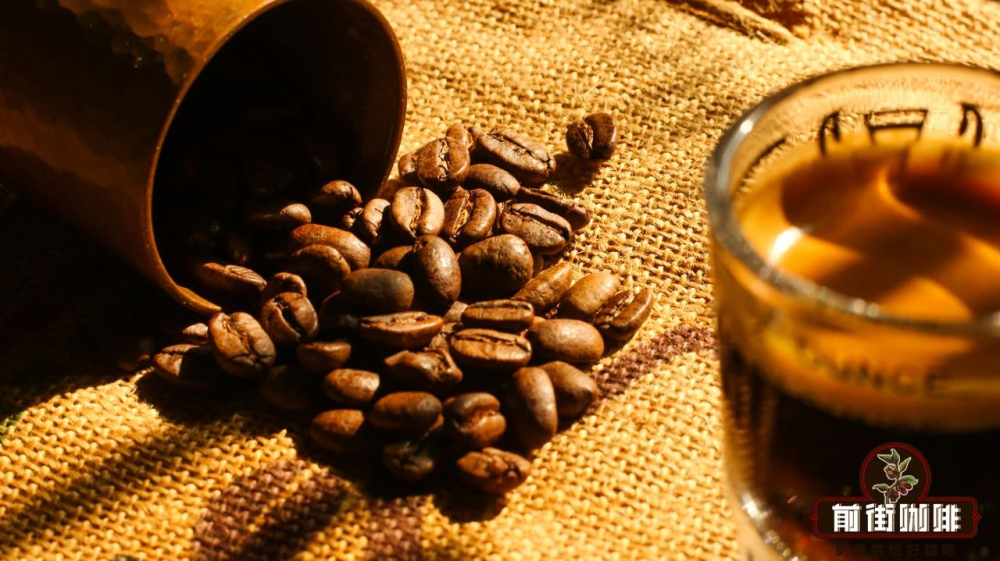
Why are SOE coffee beans generally more expensive? The core reason lies in stricter raw material selection. To craft an outstanding SOE, you need to use high-quality single-origin beans with distinct flavor profiles, often sourced from high-altitude regions or areas with unique microclimates. For example, many small-lot Ethiopian beans, known for their bright citrus and floral notes, when processed with light to medium roasts, can bring an unprecedented freshness to espresso—that’s the essence of SOE.
It’s worth noting that high-quality blends can also deliver complex flavors, and their prices are no less competitive. Some blends that combine beans from Colombia, Ethiopia, and Costa Rica, for instance, can exhibit layered tastes of strawberry taffy, rose, and dried fruit. Consumers can choose based on their personal taste preferences.
Which beans can excel both as pour over and SOE? The key lies in balanced roast levels. Take, for example, the Yellow Bourbon from Brazil's Queen Estate—its dark roast retains the chocolate and peanut butter layers needed for pour over, while also yielding rich crema and balanced sweetness when extracted via espresso machine. Another example is the Yirgacheffe Red Cherry, which uses a medium-light roast; as a pour over, it shows bright berry acidity and fermentation aromas, and as an SOE, it highlights strawberry fruitiness and a black tea finish.
For Ethiopia’s high-altitude Hua Kui beans, it is recommended to go with the medium-roast SOE version. Originally famous for its intense citrus notes from sun-dried processing, using this bean with a light to medium roast directly for SOE can easily result in sharp acidity and unstable extraction. The adjusted medium roast preserves the fruity character while being more suitable for home machines.
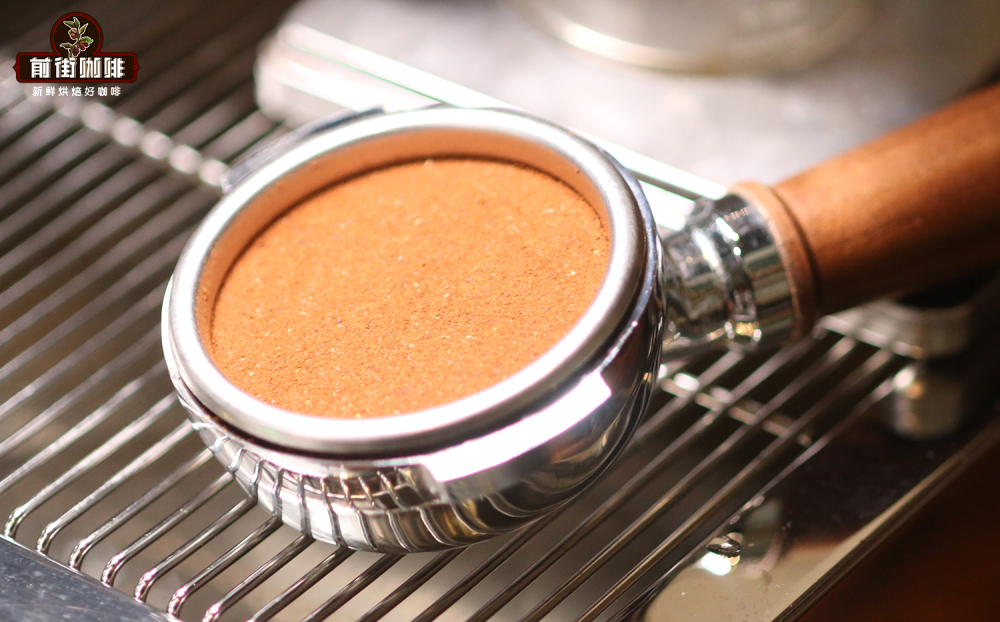
Here are practical extraction parameters and steps for Hua Kui SOE: Use 20 grams of coffee grounds, aiming to extract 40 grams of coffee liquid, with a brew ratio of 1:2, and an extraction time of around 26–32 seconds. Grind size can refer to setting 2.0 on the Galileo grinder—this range ensures stable flow rate and balanced flavor.
During actual operation, first ensure the portafilter basket is completely dry, then accurately weigh 20 grams of coffee grounds. Use a distribution tool to evenly spread the grounds, then tamp firmly with a tamper to form a compact puck. Pre-wet the group head by running water for 1–2 seconds, then securely lock the portafilter in place and start extraction. Monitor the process closely; when the coffee liquid reaches 40 grams and the time is around 30 seconds, stop the extraction. Adjust parameters slightly based on ambient humidity and bean freshness.
The finished Hua Kui SOE can be used flexibly: mix it with ice water or hot water at a 1:4 ratio to make a refreshing Americano; or pair it with fresh milk at a 1:6 ratio to create a smooth and mellow latte. Master these tips, and you can enjoy professional-grade SOE flavors at home.
The above content is compiled by CoffeeHunters, a coffee news website.


