








Introduction:To brew a uniquely flavorful cold brew coffee at home, mastering the right coffee-to-water ratio, grind size, and steeping time is key. Cold brew coffee is made by steeping coarsely ground coffee in cold water for an extended period. Without the need for high heat, it can still fully extract the coffee’s richness and layered flavors. Though simple to make, it offers great versatility. This article will delve into the fundamental principles of cold brew, equipment preparation, grind and ratio recommendations, and suggest suitable coffee beans based on different flavor preferences — helping you get started easily and craft your own signature iced coffee profile.
Cold brew coffee, also known as cold steeped coffee, is a beverage made by steeping coffee grounds in cold water over a long period. Unlike traditional hot brewing methods, cold brew utilizes low-temperature slow extraction to produce a smoother cup with more restrained acidity and enhanced sweetness and body. This method typically requires 6 to 12 hours or even longer steeping time, allowing soluble compounds in the coffee to be gradually released, resulting in a uniquely smooth mouthfeel. The finished product can be refrigerated for up to 3 to 5 days, making it ideal for summer or moments when you want to enjoy coffee at a leisurely pace.
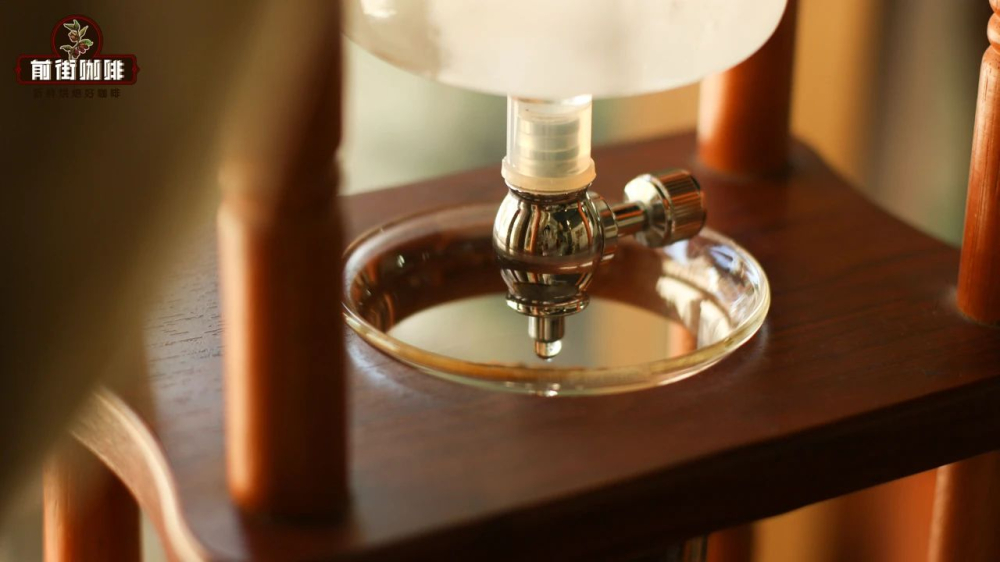
Cold brew coffee mainly comes in two forms: cold steeping (Cold Brew) and ice drip (Cold Drip or Dutch Coffee). While some discussions today may use the term “cold brew” exclusively for the cold steeping method, both are based on cold extraction — they simply differ in their specific brewing approaches. Cold steeping generally involves static immersion, while ice drip uses melting ice water that drips slowly through coffee grounds, which is more time-consuming and also carries a greater sense of ritual. This article will focus on the more common cold steeping method, guiding you from basic parameters to flavor selection to fully master this iced coffee technique.

The extraction efficiency of cold brew coffee is much lower than that of hot brewing, as the low temperature environment slows down the release of acids and aromatic compounds from the coffee. As a result, a longer time is needed to accumulate sufficient extraction. It is generally recommended to steep for 12 to 24 hours. This duration allows the sweetness and body layers of the coffee to gradually emerge, while avoiding over-extraction that could lead to astringency. If you prefer a stronger flavor, you may extend the steeping time slightly, but it is advised not to exceed 24 hours to prevent flavor imbalance caused by over-extraction.
When setting the coffee-to-water ratio for cold brew, the most commonly recommended range is 1:12 to 1:15 — that is, 1 gram of coffee grounds to 12 to 15 milliliters of water. For example, if using 40 grams of coffee grounds, you can pair it with about 480 to 600 milliliters of cold water. This ratio can be fine-tuned according to personal taste: those who prefer a stronger flavor can reduce the ratio to around 1:12, while those who enjoy a lighter, more refreshing taste can increase the water amount to 1:15. First-time brewers are advised to start with a 1:12 ratio as a baseline, then adjust the formula in the next batch based on actual flavor experience.
In terms of grind size, cold brew coffee requires a medium-coarse to pour over level grind — generally slightly finer than regular pour over grind, approximately equivalent to 82%–85% passing through a #20 sieve. If using a hand grinder like the C40, a setting between 22 and 24 is recommended. Such a grind size provides enough extraction surface area without being so fine as to cause filtration difficulties or over-extraction. If you’re using a glass bottle or portable cold brew maker, it’s advisable to test the flow rate and filtration performance in advance to ensure the coffee grounds can be easily separated after steeping.
When it comes to coffee bean selection, cold brew is actually suitable for various processing methods and roast levels — the key lies in the flavor profile you wish to achieve. Generally, it’s recommended to choose single-origin beans with a medium-light roast, which can highlight brighter fruit acids and clear flavor layers, especially fitting for summer enjoyment. If you enjoy a refreshing acidity and citrus notes, opt for washed processed light roast beans — such as Ethiopia’s Yirgacheffe or Kenya beans with tomato-like notes. If you prefer intense fruity aromas paired with honey-like sweetness, then honey or natural processed medium-light roast beans like Huakui or Strawberry Candy series are great choices.
For those who enjoy fermentation notes and bold flavors, you can try Colombia’s Geisha variety or special processed Mozart series beans. These beans can showcase more pronounced wine-like aromas and complexity during the cold brew process. Many coffee enthusiasts have also found that medium-dark roasted beans like Yunnan beans can still deliver a rich and slightly fruity-wine flavor after cold brewing, especially after being refrigerated for a few days, when the flavor becomes rounder. This is an advanced direction worth exploring.
In terms of equipment, cold brew coffee doesn’t require expensive gear — just a sealed glass bottle or a dedicated cold brew maker with a capacity of at least 600 milliliters to accommodate the appropriate coffee-to-water ratio. Even regular plastic or glass water bottles can be used, as long as they allow for easy mixing of coffee grounds and water and effective filtration of coffee grounds during refrigeration. To brew, simply add the ground coffee to the container, pour in cold water, and stir gently to ensure all the grounds are saturated. Then seal and refrigerate for 12 to 24 hours. Once the time is up, use filter paper, a filter cloth, or a strainer to separate the coffee liquid from the grounds, and it’s ready to enjoy.
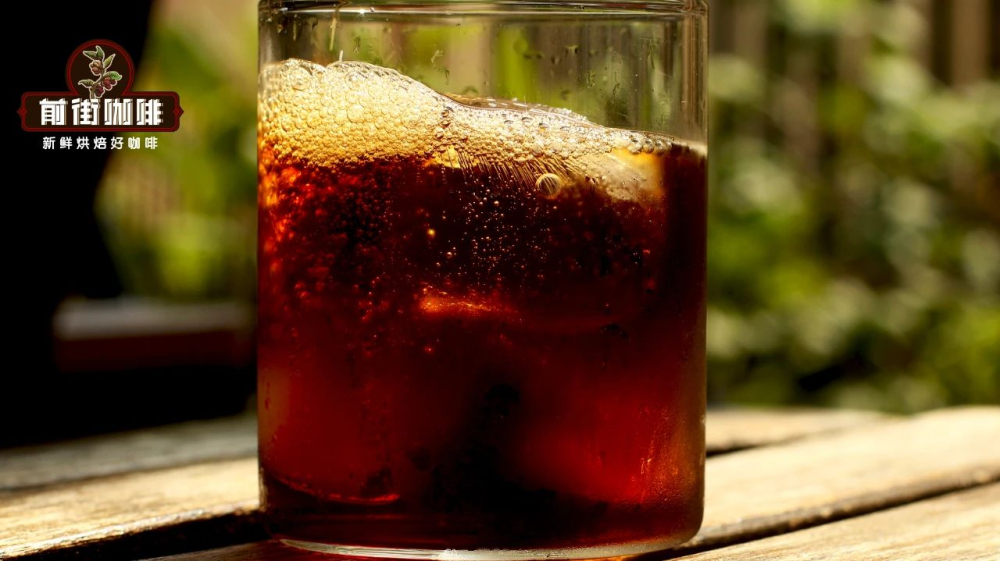
To further enhance the flavor, you can let the filtered cold brew sit in the refrigerator for an additional 2–4 hours. This allows the aroma to become more concentrated, and you’ll experience a fuller layering and balance when sipping. Cold brew coffee is great for direct consumption, and can also serve as a base for cocktails, or be mixed with milk or sparkling water to create a variety of refreshing drinks. With these basic elements mastered, you can also adjust to create your own personalized cold brew flavor recipe based on your preferences.
The above content is compiled by CoffeeHunters, a coffee news website.


