







Introduction:Cold drip coffee delivers a clean and delicate flavor profile through low-temperature slow extraction, making it an eagerly awaited coffee choice in summer. This article delves into the origins and extraction principles of cold drip coffee, introduces suitable coffee bean varieties, and details key parameters such as coffee-to-water ratio, grind size, dripping speed, and steeping time to help you consistently brew refreshing, layered cold drip coffee at home.
Cold drip coffee is a technique that extracts coffee flavors slowly over time using low temperatures. Compared to traditional hot brewing methods, it better highlights the delicate, clean, and nuanced characteristics of coffee—making it especially enjoyable during the hot summer months. The cold drip process usually takes 6 to 12 hours or even longer, so patience is key. The resulting coffee is often characterized by gentle acidity, smooth mouthfeel, and captivating flavors.
The prototype of this extraction method can be traced back to 17th-century Netherlands. When the Dutch introduced coffee to Indonesia, they also developed a technique for slow extraction using icy water drips. Initially, it was created to solve the problem of not being able to brew hot coffee during sea voyages and to reduce the acidic stimulation on the body. They found that a low-temperature environment could suppress acid release while slowing oxidation, aiding in flavor preservation and allowing aromas to be released more intensely upon drinking.
To brew a cup of cold drip coffee with excellent flavor, start with selecting the right beans. Different processing methods and roast levels greatly influence the final flavor profile. For those who prefer bright, fruity, and floral notes, it’s recommended to choose light-roasted washed beans, such as Yirgacheffe, Kenya Nyeri "Little Tomato," or Panama Geisha. These beans typically feature vibrant acidity, rich fruitiness, and a clean taste. If you prefer a richer and fuller body, medium-to-dark roasted beans such as Brazilian Cerrado or Colombian Huila offer layers of nuts, chocolate, and caramel.
In addition, coffee beans processed via fermentation methods—such as sherry cask or Sidamo—are also very popular in recent years. These beans, having undergone special fermentation processes, often carry intense wine-like aromas and complex fruity flavors, making them ideal for coffee lovers who enjoy unique profiles. When choosing, it's recommended to select a processing method and roast level that aligns with your preferred flavor profile to achieve the most satisfying drinking experience.
The core of cold drip coffee lies in cold water slowly seeping through a bed of coffee grounds to extract the flavor compounds. This process does not rely on high heat but uses time and low temperature to gradually release the essence of the coffee. The overall extraction time typically ranges between 8 to 12 hours, and some recipes may even extend up to 24 hours to make the coffee richer, cleaner, and with fewer impurities, as well as a smoother mouthfeel.
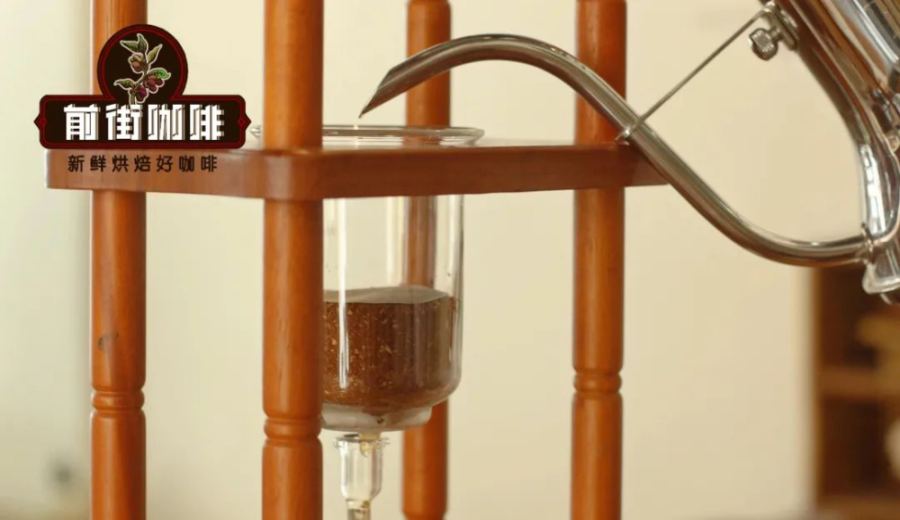
Cold drip equipment generally consists of five main components: the water reservoir, regulating valve, coffee grounds container, coffee collection container, and stand system. The water reservoir holds the ice-water mixture, the regulating valve controls the dripping rate, the coffee grounds container holds the ground coffee, the coffee collection container gathers the final drip coffee, and the stand stabilizes all parts. It’s recommended to choose transparent equipment to easily observe the dripping speed and the accumulation of coffee.
Taking the Emerald Estate Diamond Mountain Geisha as an example, here is a set of tested and effective cold drip parameters for readers to reference and apply. It is recommended to use 60 grams of coffee, with a coffee-to-water ratio of 1:10, yielding about 600 milliliters of total output. The recommended ice-to-water ratio is 1:1. Use a grind size slightly finer than granulated sugar to increase the extraction surface area while avoiding over-extraction. The combination of coffee-to-water ratio and grind size directly affects extraction balance, so slight adjustments based on the bean variety are advised.
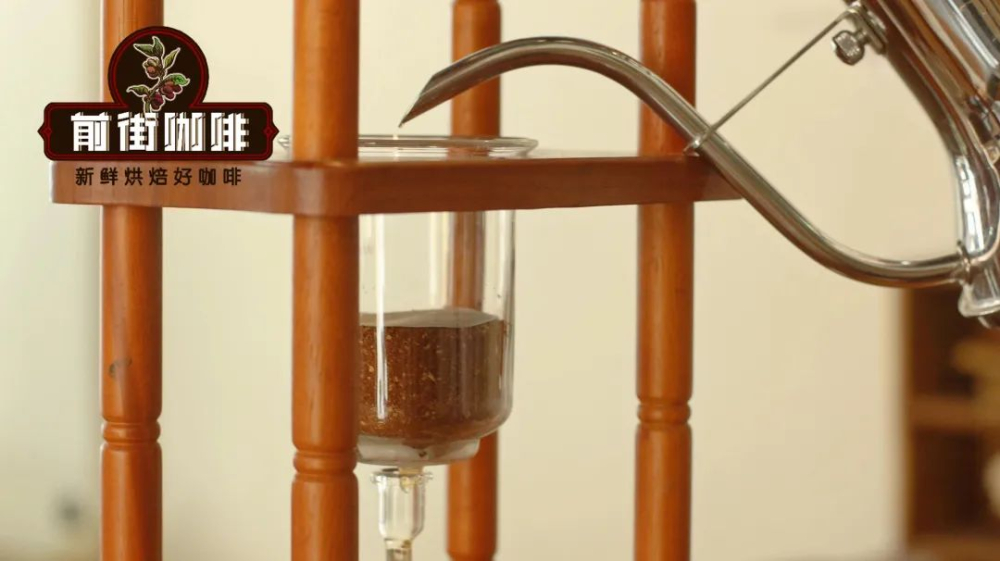
For actual operation, first place a filter paper at the bottom of the coffee grounds container, lightly moisten it with water, then press it flat to ensure good sealing and prevent fine particles from leaking. Next, add freshly ground coffee and gently pat the surface to flatten it, then cover it with another filter paper. After assembling the stand and all components, add pre-mixed ice and water into the water reservoir and start the dripping process.
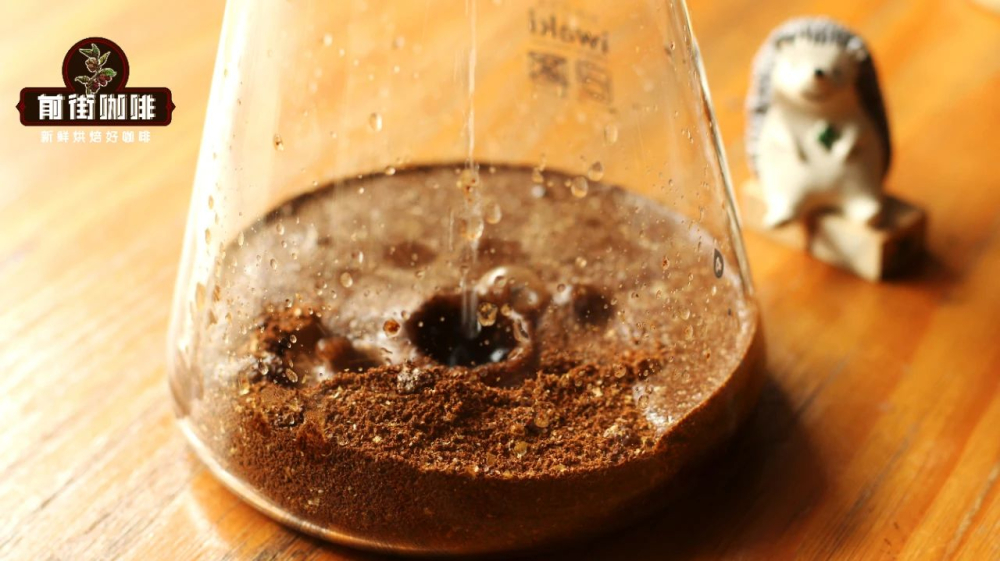
Initially, it’s recommended to begin with a relatively fast speed to let water pass through the coffee grounds for pre-wetting (similar to the bloom step in pour over). Once the coffee layer is fully saturated, adjust the dripping speed to about 5 to 7 drops per 10 seconds. This speed helps stabilize flavor release and prevents overly sharp acidity or over-extracted off-flavors due to too-fast dripping. The dripping process is recommended to sit at room temperature. After completion, transfer the coffee liquid into a sealed container and refrigerate for about 2 days to allow the flavors to further integrate and mature.
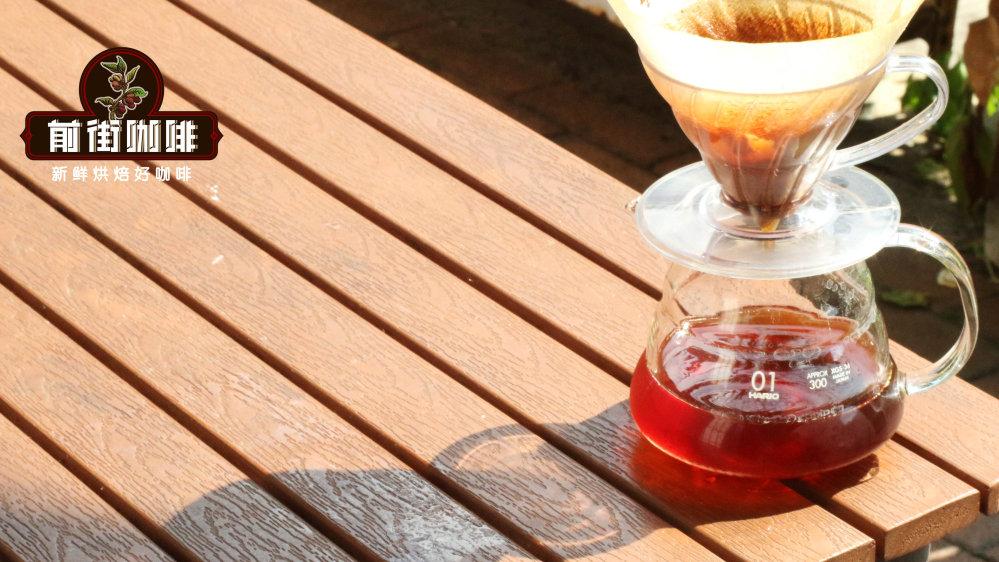
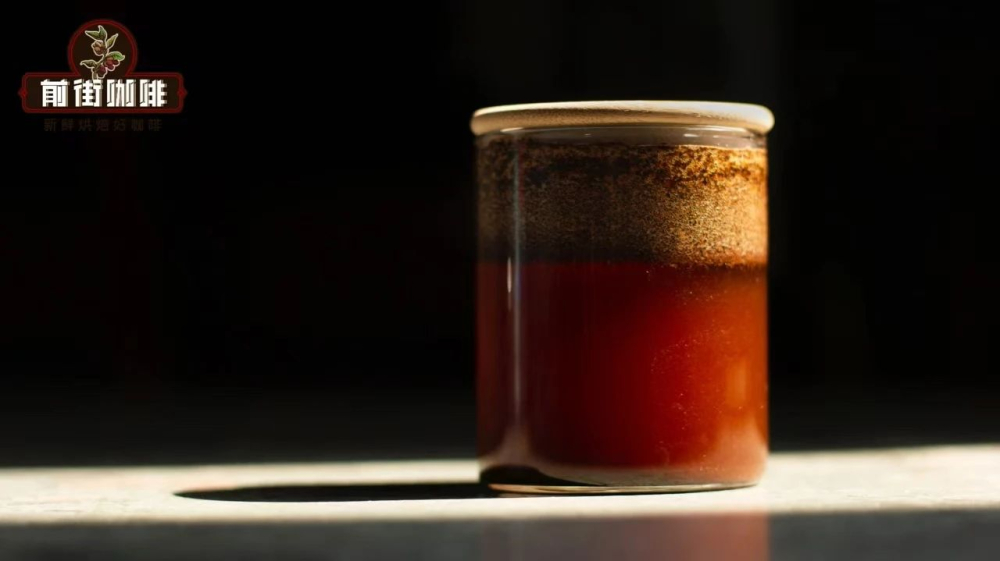
The final cold drip coffee usually exhibits soft floral and berry notes, with low and refined acidity, a refreshing mouthfeel, and distinct layers. There are almost no noticeable off-flavors, making it highly suitable for slow savoring. Note that although cold drip coffee, due to its low-temperature preparation, has an extended shelf life, it’s still recommended to consume it within 5 days after brewing to enjoy optimal flavor and ensure safety.
The above content is compiled by CoffeeHunters, a coffee news website.


