







Introduction:Pour over and espresso represent two fundamentally different philosophies of coffee extraction. One relies on atmospheric pressure and a slow, steady flow; the other uses high pressure for an instant burst—each not only influencing coffee bean selection and grind size, but also determining the final flavor profile. This article delves into their key differences in terms of coffee bean types, brewing processes, caffeine release, and more, offering practical parameters to help both beginners and advanced enthusiasts better grasp the essence of each brewing method.
In the world of coffee, pour over and espresso are like two parallel lines, each with its own unique extraction logic and flavor expression. Pour over centers around atmospheric pressure drip filtration, emphasizing a gradual extraction that brings out the inherent flavors of the coffee; whereas espresso relies on high-pressure extraction at nine atmospheres, capable of releasing rich and complex coffee compounds in a short amount of time. These two methods differ greatly not only in brewing principles, but also in coffee bean selection, grind size, taste profile, and even caffeine content.
First, let’s look at coffee bean selection.Pour over coffee typically uses single-origin beans, often roasted to light or medium levels, though some enthusiasts may opt for dark roasts to explore different flavor dimensions. These beans highlight regional characteristics and processing details, making them ideal for slow filtration through a dripper to showcase the coffee’s natural fruitiness, floral notes, or herbal undertones. In contrast,espresso usually employs blends, combining multiple single-origin beans in specific proportions, generally roasted darker to deliver a rich foundation and full-bodied mouthfeel when paired with milk or hot water—perfect for crafting milk-based drinks like lattes and cappuccinos.
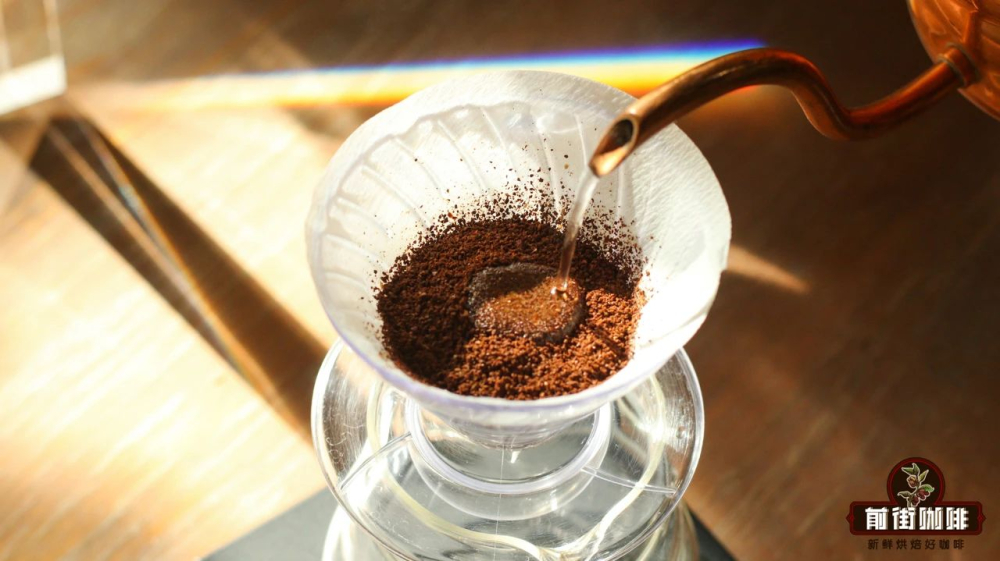
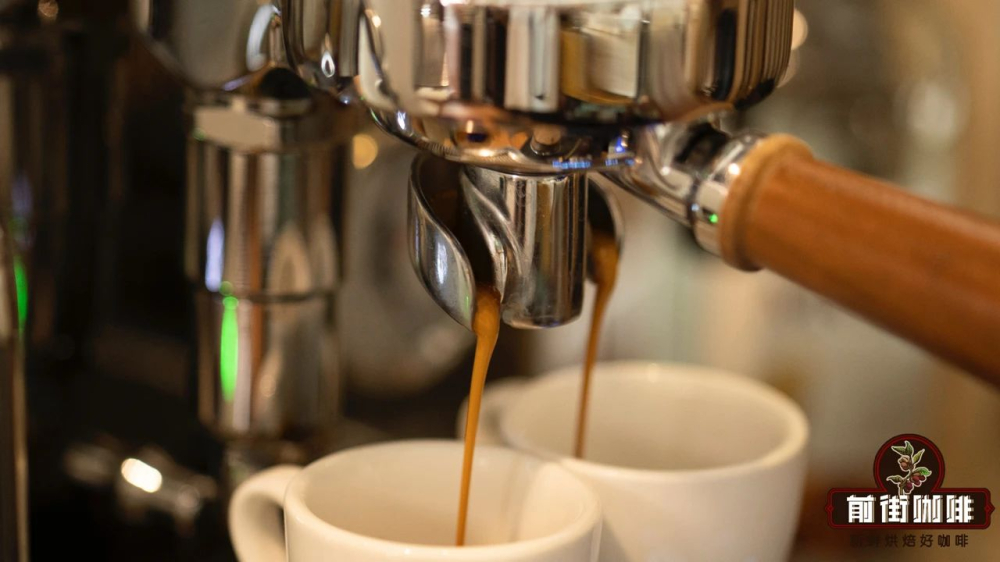
The differences in brewing methods are even more pronounced.Pour over is primarily done under atmospheric pressure, where hot water slowly saturates the coffee grounds through a filter, with extraction times typically ranging between 1 to 3 minutes. Even when using a moka pot or AeroPress, the pressure does not exceed 3 bar. On the other hand,espresso relies on the 9-bar pressure generated by a professional coffee machine, with the coffee puck enduring up to 133 kilograms of pressure in the portafilter, forcing out substances that are normally hard to extract—including rich crema and intense aromas. The entire process takes just 20 to 30 seconds, resulting in a thick, layered shot with pronounced intensity.
Many wonder which method contains more caffeine? Under the same coffee dose and grind size,pour over generally releases more caffeine due to its longer extraction time. Although espresso is more intense, its shorter brew time means less caffeine is extracted. This also explains why cold drip or cold brew coffee, due to prolonged steeping, often contains higher caffeine levels.
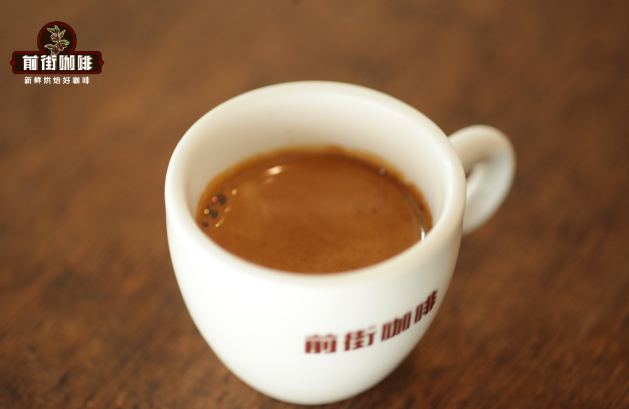
If you want to replicate an authentic espresso at home, understanding the basic parameters is essential. For a commercial-grade machine, aim for around 9-bar extraction pressure—a standard home machine meeting this benchmark will suffice. For dose, a double basket typically holds 18 to 20 grams of coffee, with a brew ratio often set at 1:2, meaning 20 grams of coffee yields 40 grams of espresso. Extraction time should be controlled between 20 to 35 seconds: too short results in a weak taste, while too long can lead to burnt bitterness. In practice, dry the portafilter first, distribute and tamp the ground coffee evenly, then pre-wet the group head before starting the extraction. Once the espresso reaches the desired weight and time, you’ve made a standard shot.
As for pour over, the necessary equipment includes a pour over kettle, dripper, paper filter, server, grinder, scale, and thermometer. Taking a common Ethiopian Yirgacheffe (a light to medium roast bean) as an example, it’s recommended to use a grind size of about 80% passing through a #20 standard sieve—roughly equivalent to grind setting 10—with water temperature increased to 91–93°C to fully bring out its fruity and floral notes. For pouring technique, beginners can start with a three-pour method: the first pour adds 30 grams of water for a 30-second bloom, the second pours 95 grams steadily, and once the water level drops, add a final 100 grams, totaling about 225 milliliters of water with an overall extraction time of around 2 minutes. This balances flavor and strength effectively.
No matter which method you choose, understanding the underlying extraction logic and parameter settings is key to improving coffee quality. Pour over lets you engage with each step—from pour speed and water temperature control to adjusting grind size—all of which influence the final flavor. Espresso, meanwhile, challenges your precision in managing pressure, dose, and timing. Through continual experimentation and tasting, you’ll gain a deeper appreciation for the vast and nuanced world of coffee, and discover your perfect cup.
The above content is compiled by CoffeeHunters, a coffee news website.


