







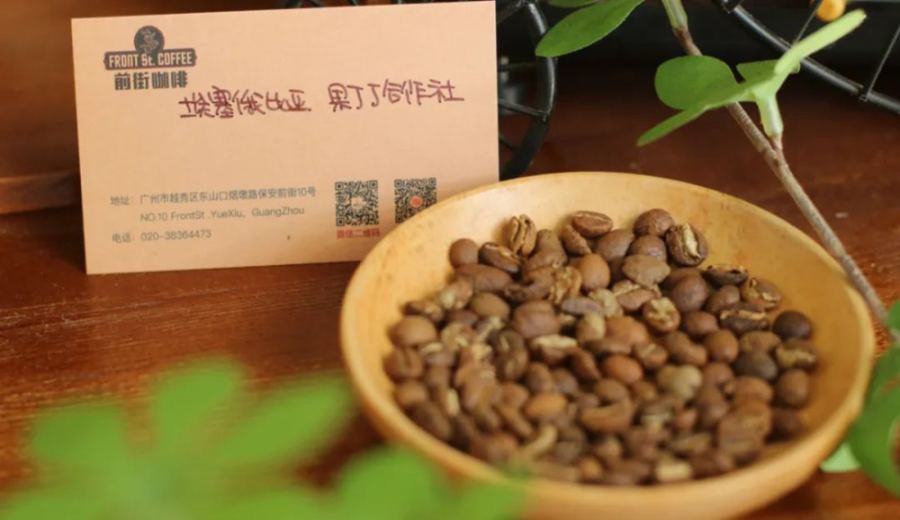
Introduction:An in-depth exploration of the Gudina Cooperative located in the Wolega region of Yirgacheffe, Ethiopia — from its independent background and traditional processing methods to the differences and characteristics between washed and natural processing. This article will detail the origin conditions, processing specifics, and flavor profiles of its coffee beans, helping pour over, cold brew, and pod coffee enthusiasts choose the right beans to elevate their tasting experience.
Within Ethiopia’s coffee map, Yirgacheffe has long been world-renowned for its distinctive citrus notes and floral-fruity aromas. In the southeastern corner of this region lies the Wolega area, where the Gudina Cooperative — an independently operated organization that broke away from the original Wolega Cooperative in 2012 — is managed by around 300 coffee farmers. It is hailed as the last remaining piece of untouched land preserving the original flavors of Yirgacheffe.
The high-altitude region (approximately 2000–2100 meters above sea level) produces coffee that not only continues the bright and refreshing characteristics typical of Yirgacheffe, but also showcases distinctly different flavor layers through its traditional washed and natural processing methods.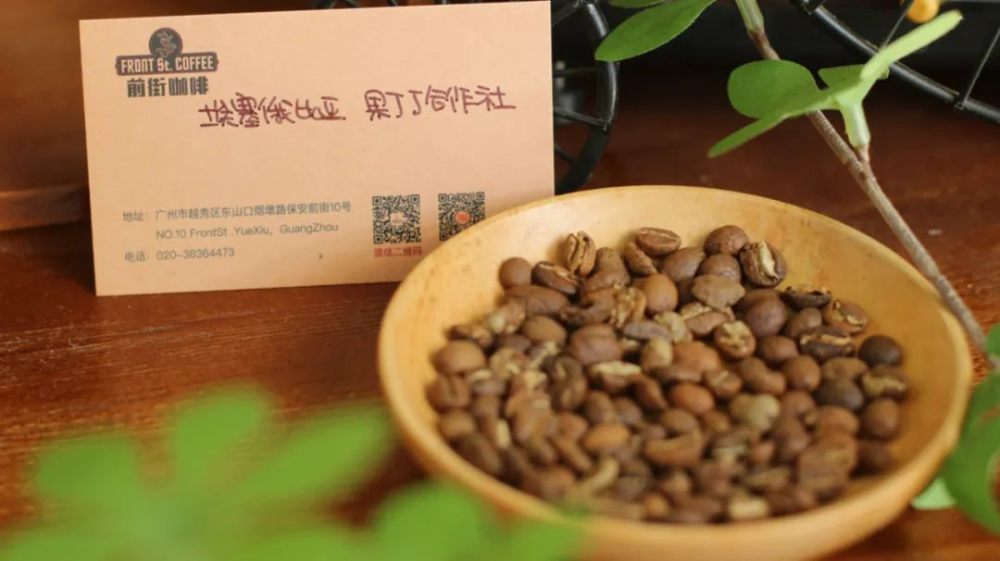
Gudina was formerly part of the Wolega Cooperative under the Yirgacheffe Coffee Farmers Cooperative Union (YCFCU). With the global specialty coffee market placing greater emphasis on "single-origin" and "traceability," in 2012, the Gudina Cooperative — voluntarily formed by about 300 smallholder farmers — officially registered as an independent entity, marking a significant step toward the premiumization of this land.
The region of Gudina has a long history of coffee cultivation and processing, and many farmers were previously involved in the operations of the Wolega Cooperative. As a result, they are highly familiar with every stage of coffee production, from planting to initial processing. This has allowed the processing of green beans here to consistently adhere to traditional craftsmanship, giving rise to its unique regional flavor.
Among the various processing methods, washed processing has always been a classic technique in Yirgacheffe. This method was originally introduced from Central and South America to address the impurities and defective flavors caused by early, rough sun-drying practices. The washed process at Gudina is extremely meticulous: coffee cherries are first rigorously sorted to remove unripe or damaged ones, then undergo fermentation to remove the mucilage, followed by thorough washing with clean water, and finally are slowly dried on raised beds. Throughout the entire process, temperature and humidity are precisely controlled to ensure stable quality of the green beans.
This processing method allows the coffee to exhibit highly recognizable bright citrus notes, elegant white floral aromas, along with honey-like sweetness and a soft tea-like mouthfeel. The acidity is delicate, and the aftertaste is clean and refreshing, making it an excellent choice for pour over, cold brew, or pod users looking to explore the flavors of Yirgacheffe.Country: Ethiopia; Origin: Gudina Cooperative, Yirgacheffe; Elevation: 2000–2100 meters; Variety: Local landrace; Processing Method: Washed; Flavor Profile: Jasmine, Citrus, Berry, Honey, Tea-like.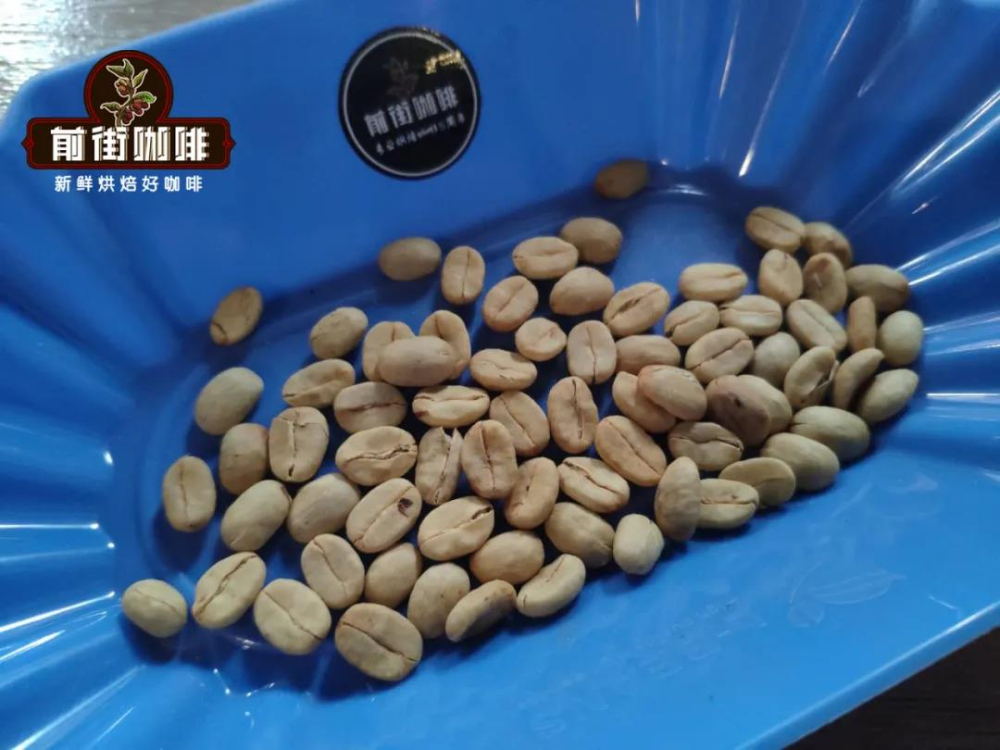
In contrast, the natural processing method preserves the coffee fruit’s natural flavors and sugars more fully, resulting in a distinctly rich and intense profile. At Gudina, farmers only select fully ripe coffee cherries, which are initially cleaned and then directly spread out on African-style raised beds to undergo drying for 2 to 3 weeks under the sun.
During this period, workers frequently turn the coffee cherries to ensure even heat exposure, while promptly removing any unripe or defective fruits. The material and mesh breathability of the drying beds are carefully selected to facilitate moisture evaporation while maintaining the integrity of the fruit flesh. Once the moisture content drops to 11–12%, the outer skin and parchment are removed, ultimately yielding natural-processed green beans with intense flavors.
This method imparts the coffee with rich floral-fruity aromas and intense fruit characteristics. Common flavors include cranberry, plum, and fresh orange juice-like acidity. The sweetness is pronounced with distinct layers, delivering a clean and bright overall expression, along with a soft and balanced aftertaste. It is particularly well-suited for coffee lovers who enjoy bold fruitiness and sweetness.
The above content is compiled by CoffeeHunters, a coffee news website.


