







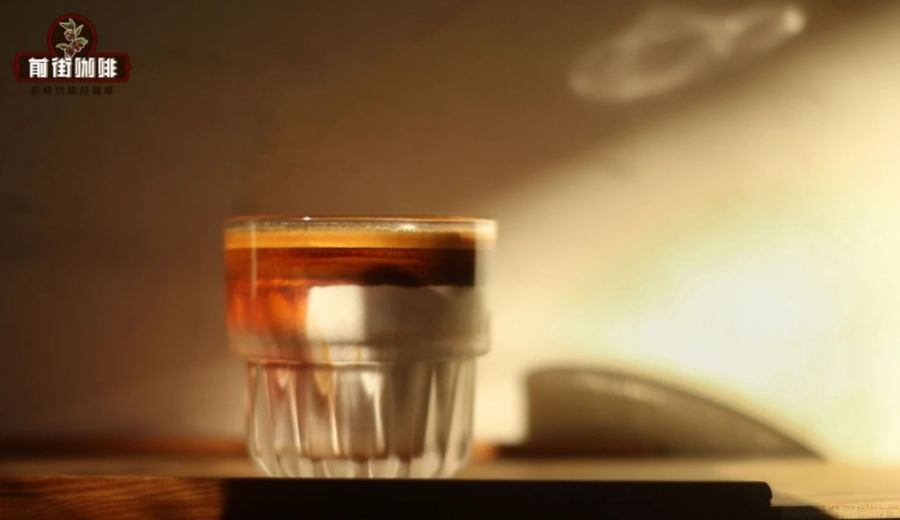
Introduction:An in-depth analysis of Luckin Coffee's Yirgacheffe SOE Americano and Latte, exploring the differences between single-origin SOE coffee and traditional blends, along with expert recommendations on brewing ratios, time, and equipment. Whether you're curious about the flavor profile of this coffee or want to recreate a balanced and smooth Yirgacheffe SOE at home, this article provides a complete and practical reference.
In 2020, Luckin Coffee officially launched its exclusive premium SOE series, among which the Yirgacheffe SOE Americano and Latte sparked widespread discussion among coffee enthusiasts upon release. Many consumers began to wonder: What exactly is SOE? How is it fundamentally different from common blends? And is this SOE, based on the flavor profile of Ethiopia’s Yirgacheffe region, really worth trying? This article starts with basic concepts to help you understand the positioning of SOE, then details its flavor profile, as well as the actual steps and parameters for brewing both Americano and Latte versions.
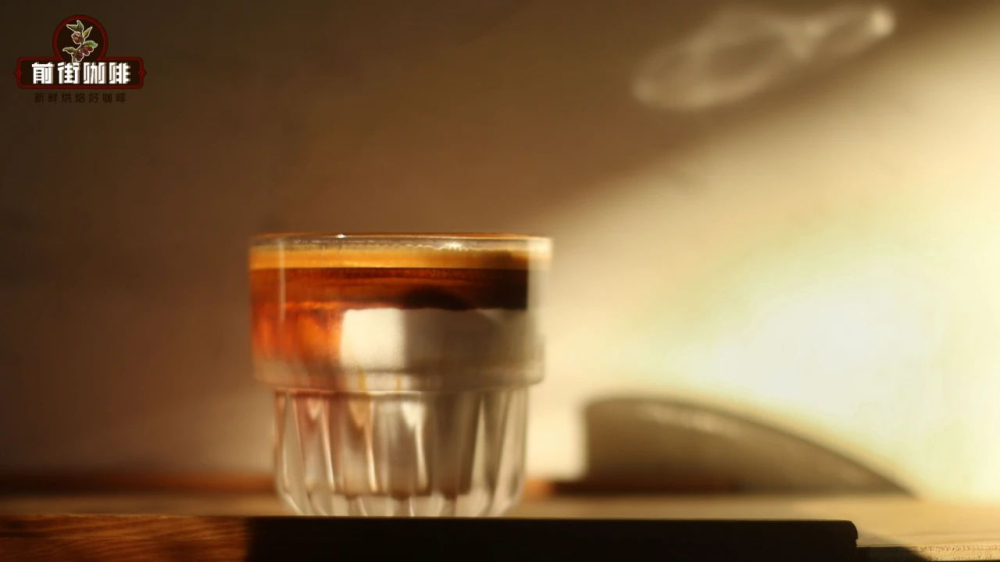
First, let’s clarify a common question: What is SOE? SOE stands for Single Origin Espresso, or “single-origin espresso.” Most commercial espressos aim for stable and balanced flavor profiles, so they typically use coffee beans sourced from multiple regions to create a blend. This approach not only balances the strengths and weaknesses of beans from different areas but also helps mitigate flavor inconsistencies caused by yearly climate variations. However, with the rise of specialty coffee culture, more baristas and consumers have begun to appreciate the unique characteristics of “single-origin” beans, leading to the emergence of the SOE concept. It emphasizes using beans from the same origin, or even a single farm, allowing the coffee’s flavor to be more distinctive and regionally expressive. That said, this doesn’t necessarily mean SOE is superior to blends—the final result still depends on bean quality and brewing techniques.
So, how does Luckin’s Yirgacheffe SOE perform? This coffee uses beans from Ethiopia’s Yirgacheffe region and undergoes dark roasting to maintain the region’s signature citrus notes while ensuring the richness and stability required for espresso. However, since Luckin does not sell its espresso version separately, based on actual tasting experience, using Yirgacheffe beans from the same region with similar roast levels (such as the natural Red Cherry variety) yields an SOE with a flavor profile that generally includes citrus, berries, caramel, and subtle nuttiness. When brewed as an Americano, the overall taste is refreshing but can feel a bit thin, with some noticing a watered-down mouthfeel. As a Latte, it tends to take on a berry milkshake-like character, though the coffee’s base becomes relatively less prominent. Overall, this SOE leans toward a soft and mild flavor, making it suitable for those who dislike strong bitterness and want to explore single-origin characteristics. If you prefer a bolder and more robust coffee experience, traditional blends might be a better choice.
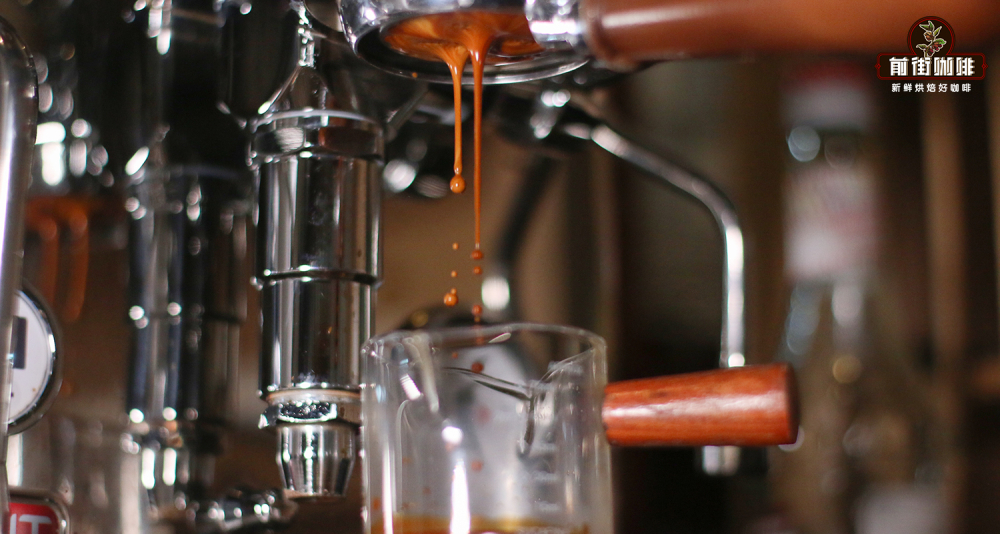
It’s worth mentioning that if you want to recreate this flavor at home, selecting the right roast level and coffee beans is key. Many home coffee enthusiasts recommend choosing single-origin beans suitable for SOE brewing, such as Yirgacheffe beans roasted for espresso, which can better highlight bright acidity and fruity notes. Additionally, while home equipment may not match commercial-grade setups, as long as you have a coffee machine capable of 9 bar or higher pressure paired with a reliable grinder, you can consistently produce quality SOE espresso.
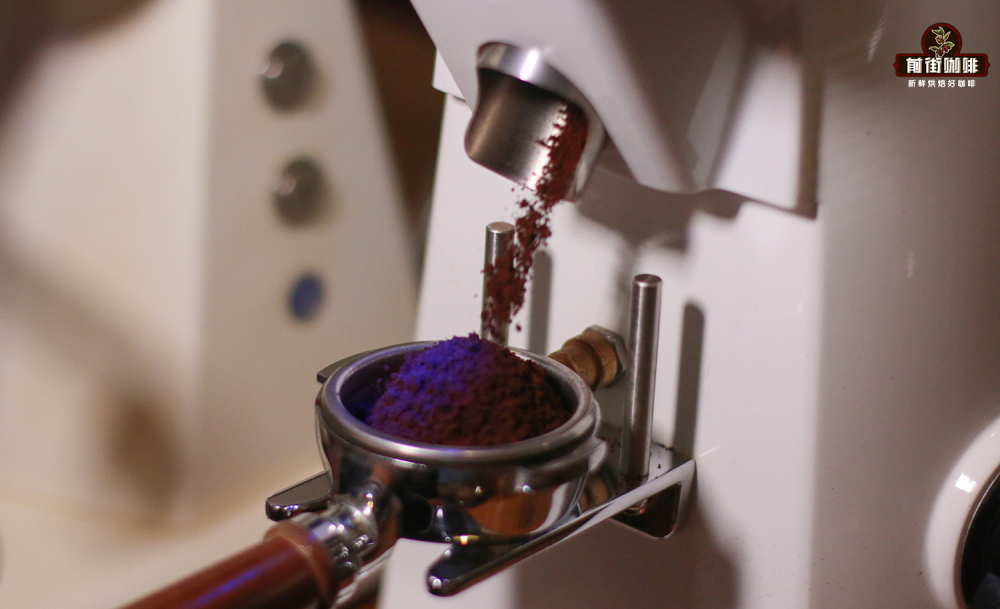
Next, we’ll share practical brewing parameters and operational tips. Taking a commonly available Ethiopian natural Yirgacheffe single-origin bean (espresso roast) as an example, the recommended brewing parameters are as follows: 20 grams of coffee grounds, yielding 40 grams of espresso, with a 1:2 coffee-to-water ratio, and a total extraction time controlled between 26 to 33 seconds. This ratio and timing balance flavor clarity and body, avoiding over-extraction or under-extraction. For grind size, you can refer to the 2.0 setting on a Galileo grinder, though actual values may need slight adjustments depending on your equipment.
For specific steps, start by thoroughly drying the portafilter basket to ensure no residual moisture. Then grind approximately 20 grams of coffee beans using your grinder and weigh them precisely with a digital scale. Once the dose is confirmed, distribute the grounds evenly using a spoon or distribution tool, then tamp the puck firmly with a tamper to ensure a flat and consistent surface—this helps stabilize the flow rate during extraction. Next, turn on the machine and run a small amount of hot water through the group head to pre-wet it; this step is called “pre-infusion,” which removes old coffee residue and improves extraction uniformity. Then securely attach the portafilter to the group head and begin the extraction. When the scale shows 40 grams of extracted liquid and the time falls between 28 to 33 seconds, stop the extraction. You’ve now made a balanced SOE espresso. To make an Americano, adjust the concentration and temperature to your liking by adding hot water at around 80°C or ice cubes.
As for the Latte, it’s recommended to use a 1:6 coffee-to-milk ratio. Pour 40 grams of freshly extracted SOE espresso into a preheated cup, then steam 240 grams of milk using the espresso machine’s steam wand to a temperature between 50–65°C, creating a fine and velvety microfoam. Finally, combine the milk foam and espresso evenly, and your Yirgacheffe SOE Latte—balancing citrus fruitiness with a silky texture—is complete. This Latte has a mellow flavor with hints of lemon and cookie aromas, making it perfect for enjoying on cooler days.
In summary, although Luckin’s Yirgacheffe SOE may present a softer profile in-store, its flavor characteristics still faithfully reflect the traits of its origin. If you’re intrigued by single-origin coffee, try using appropriately roasted beans and equipment at home, following the parameters above. You’ll likely get closer to the essence of the original flavor and gain a deeper appreciation for the charm of SOE.
The above content is compiled by CoffeeHunters, a coffee news website.


