








Introduction:Indonesian Mandheling coffee is renowned for its rich, bold flavor with herbal and dark chocolate notes, but many coffee beginners often mistake it for Robusta due to its intense profile. In fact, Mandheling is an Arabica variety from northern Sumatra, distinguished by its unique wet-hulling processing method. This article will delve into the origins of the Mandheling variety, how it differs from typical Arabica, characteristics of its major renowned growing regions, details on processing methods, as well as practical pour over parameters and the flavor profile of Golden Mandheling, helping you fully grasp this classic Southeast Asian coffee.
When it comes to Indonesian coffee, "Mandheling" is almost the first name that comes to mind. With its full-bodied texture, pronounced herbal aroma, and dark chocolate notes in the aftertaste, it has become a favorite among many serious coffee enthusiasts. However, some people, put off by its strong character, describe it as tasting like "dishwater" after their first try, even mistakenly assuming it's Robusta. In reality, Mandheling is 100% Arabica, grown in northern Sumatra, Indonesia, and its name originates from the Mandailing ethnic group, who cultivate coffee in the region.
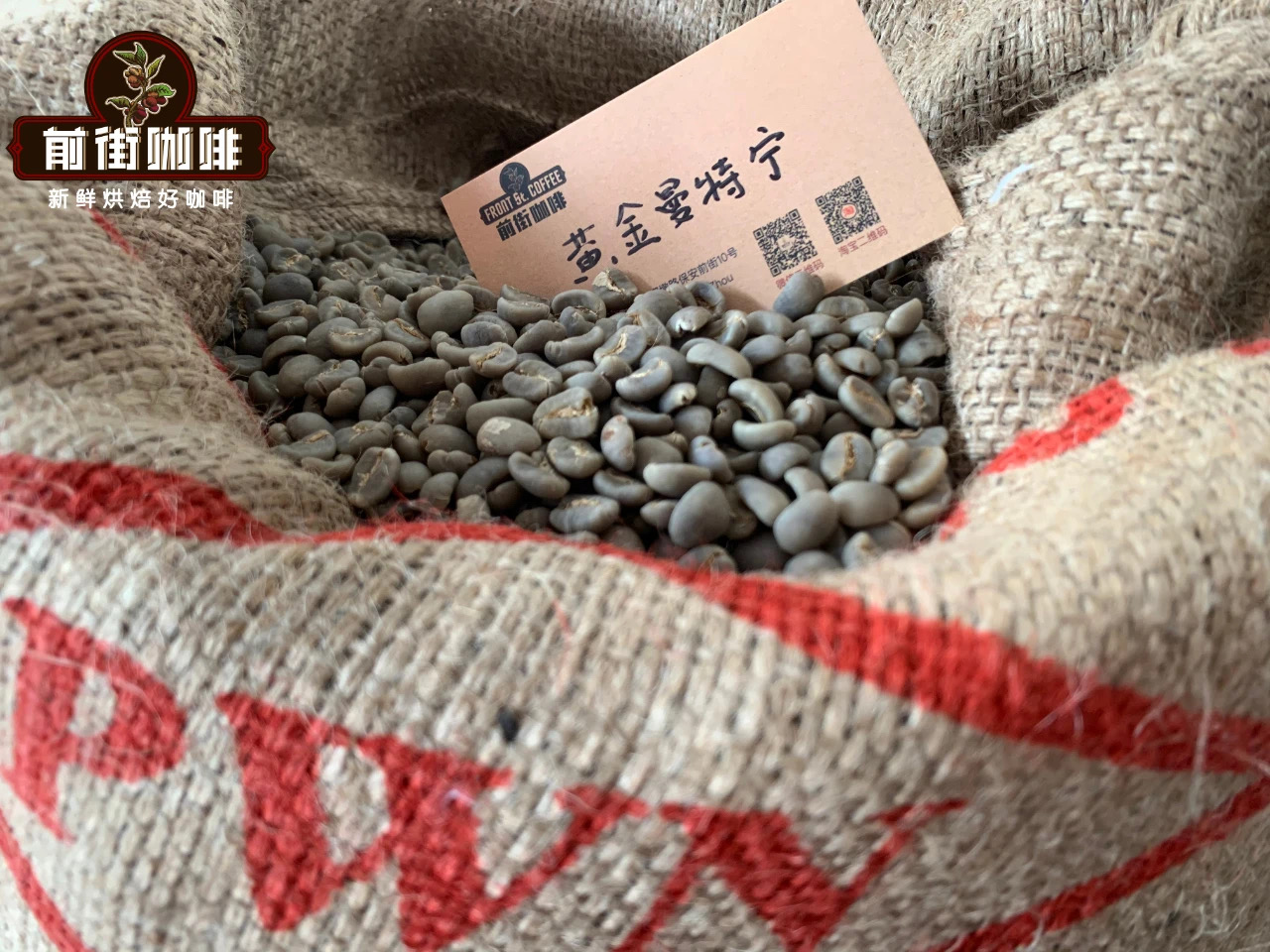
Many newcomers to specialty coffee are often confused by Mandheling’s bold flavor profile, thinking this dark-roast-like, low-acidity, full-bodied coffee is Robusta. But in truth, except in special cases (such as certain blends that include small amounts of Robusta to enhance body and crema), the vast majority of Mandheling coffee is Arabica, predominantly Typica. Commonly available Mandheling varieties on the market, such as Lintong Mandheling, Aged Mandheling, Wahana Natural Mandheling, and Tiger Mandheling, mainly use the Typica variety. Only Golden Mandheling switched to the Catimor variety—known locally in Indonesia as ateng—after 2020. This variety, a hybrid of Timor and Caturra, offers greater disease resistance and higher yield potential.
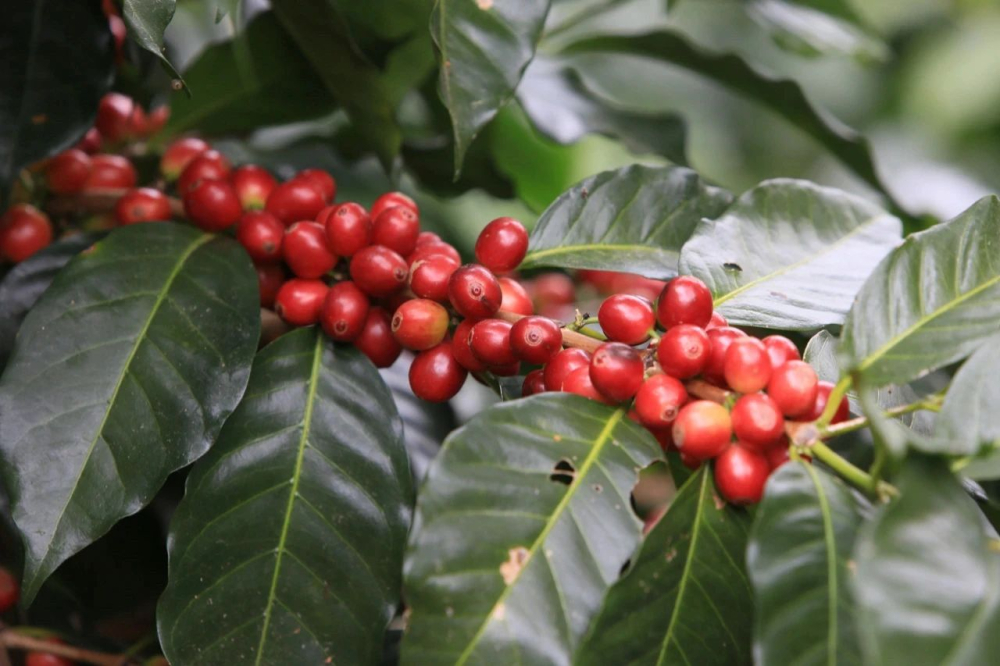
From a botanical perspective, coffee belongs to the Rubiaceae family, genus Coffea, with commercial cultivation primarily focused on two main varieties: Arabica and Robusta. Arabica accounts for about three-quarters of global coffee production and originates from the highlands of Ethiopia, offering a richer aromatic complexity and diverse flavor expressions. In contrast, Robusta tends to have a simpler, more bitter profile, but due to its high disease resistance and caffeine content, it still holds a place in the commercial and instant coffee markets. Mandheling, however, is an Arabica variety with delicate, varied flavors and rich aromas, though its unique growing environment and processing method give it a character distinct from other regional Arabicas.
The "identity" of Mandheling is actually a trade name, specifically referring to Arabica coffee from northern Sumatra, Indonesia, and named after the Mandailing people who grow it. The main coffee-growing regions in Sumatra include the Gayo highlands in Aceh Province (also known as the Aceh region), Lintong, and Sidikalang. Among these, Lintong Mandheling is produced near Lake Toba, at altitudes of around 1400–1800 meters, with common varieties including Jember, Garundang Typica, and Ateng. It's worth noting that the Lintong region has gradually been subdivided into smaller sub-regions in recent years, such as Sidikalang, sometimes referred to as SDK Mandheling, though the market generally still refers to this area’s products collectively as "Lintong Mandheling."
Golden Mandheling is mostly produced in the Sidikalang region, at elevations between 1500 and 2000 meters. It originally used the Typica variety, but starting from the 2020 harvest season, it switched to planting the Catimor variety—locally called ateng in Indonesia. Catimor is a cross between Timor and Caturra, characterized by disease resistance, high yield, and a short growth cycle, making it suitable for Indonesia’s humid, rainy cultivation environment. Despite the change in variety, Golden Mandheling still maintains its signature low acidity, full body, and layered flavor profile.
When discussing Mandheling, one cannot overlook its most iconic processing method: wet-hulling, also known as giling basah, which is unique to Indonesia and markedly different from the more common natural or washed methods. The general process of wet-hulling includes: first removing the coffee cherry’s skin and pulp, leaving the parchment and mucilage intact, followed by a brief fermentation in water tanks, then washing off the mucilage. The parchment-covered beans are then sun-dried to a moisture content of approximately 20–24%. Before the moisture content fully drops to a safe level, the parchment is removed early, and the green beans continue to be dried to a target moisture content of 12–13% before export. This processing method emerged primarily to address Indonesia’s high-humidity environment, where traditional washed or natural processes would require much longer drying times, hindering commercial logistics and market timeliness.
The impact of wet-hulling is most evident in its distinctive flavor. Because the beans are mechanically hulled while still wrapped in parchment and at a high moisture level, the outer layer undergoes a certain degree of friction and compression, which influences the final flavor expression. Common flavor characteristics include intense earthy aromas, herbal notes, low acidity, and woody or chocolatey sensations in the aftertaste. This flavor profile has become a key identifier for many coffee lovers when recognizing Mandheling.
To brew Mandheling at home and highlight its classic flavors, it is recommended to use a medium-coarse grind (e.g., around 70% passing through a standard No. 20 sieve), paired with a KONO filter, with a brew ratio of 1:15 and a water temperature of about 86–87°C. Specifically, start with a 30-second bloom using 30 grams of water, then pour in a slow circular motion until reaching 125 grams for the first pour. After the water level drops, continue pouring up to 225 grams before stopping. Remove the filter just before the water level is about to fully drain, keeping the total extraction time around 2 minutes. These parameters help balance Mandheling’s inherently bold base while bringing out its subtle spice and sweetness layers.
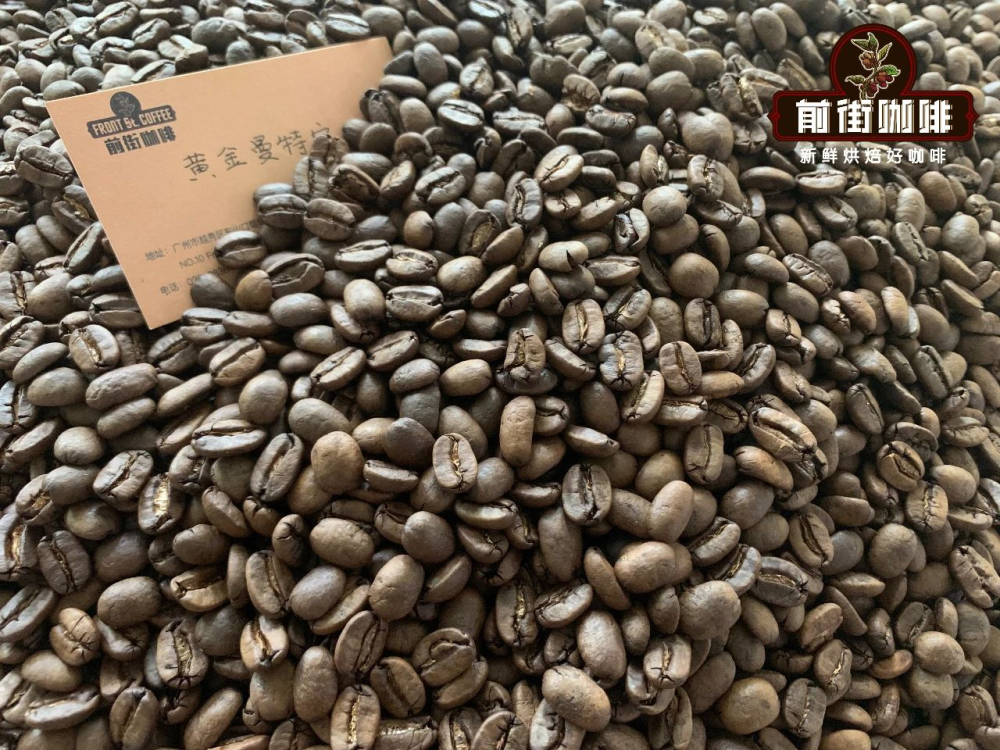
Taking Golden Mandheling as an example, its flavor is often described as layered, clean, and balanced. Upon tasting, you may notice distinct notes of nuts, caramel, and subtle spices, with a long-lasting sweet finish. It is a top choice for many Mandheling enthusiasts. If you enjoy a full-bodied, low-acid coffee with complex layers, Mandheling is definitely worth trying—especially once you understand the background of its varieties, regional characteristics, and unique processing methods, you’ll be able to appreciate its finer nuances and depth even more.
The above content is compiled by CoffeeHunters, a coffee news website.


