







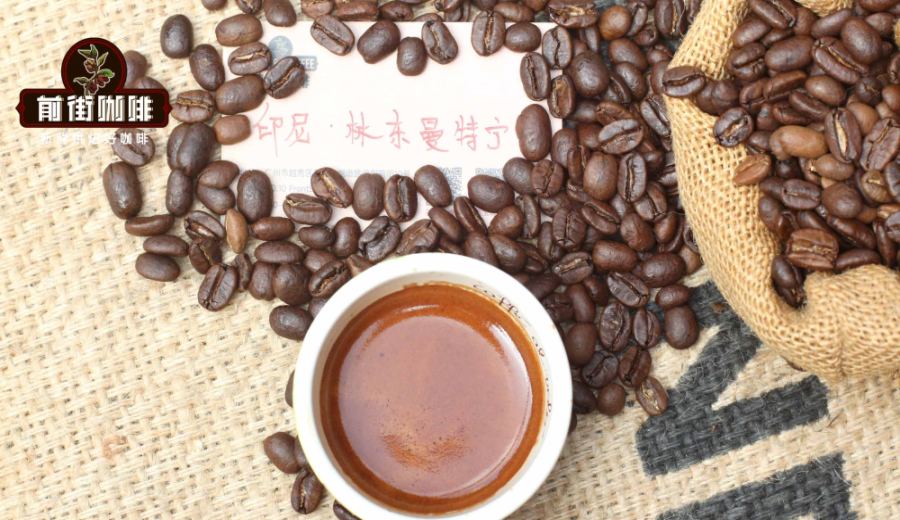
Introduction:Mandheling coffee is often intimidating due to its intense bitterness, yet its rich flavor and deep complexity also make it a favorite among seasoned coffee enthusiasts. This article will delve into the background of Mandheling beans, the characteristics of the wet-hulled processing method, and from the perspective of pour over brewing, provide detailed guidance on the coffee-to-water ratio, water temperature, grind size, and the specifics of three-stage pouring to help you brew a high-quality Mandheling that is bitter without being astringent and balanced in aroma.
Many people, upon their first taste of Mandheling coffee, are struck by its strong bitterness, even leading them to believe that this classic bean from Indonesia is hard to enjoy. However, for true coffee aficionados, Mandheling represents not just bitterness, but also a rich, full-bodied flavor with layers, along with unique herbal and earthy aromas. With the right brewing technique, you can also discover its caramel-like sweetness and nutty aftertaste.
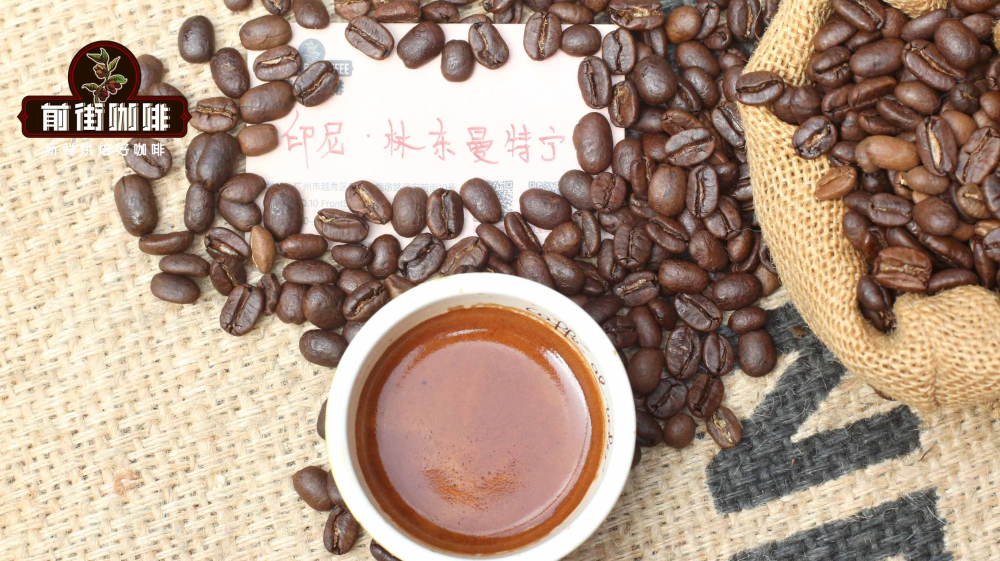
Mandheling is actually not the name of a coffee variety, nor does it refer to a specific origin. It originated from an early misnomer for the Mandailing people of Indonesia. Today, what we call Mandheling generally refers to Arabica coffee grown in northern Sumatra, Indonesia. The region’s rainy climate and unique wet-hulling process give Mandheling its distinctive bold taste and low acidity.
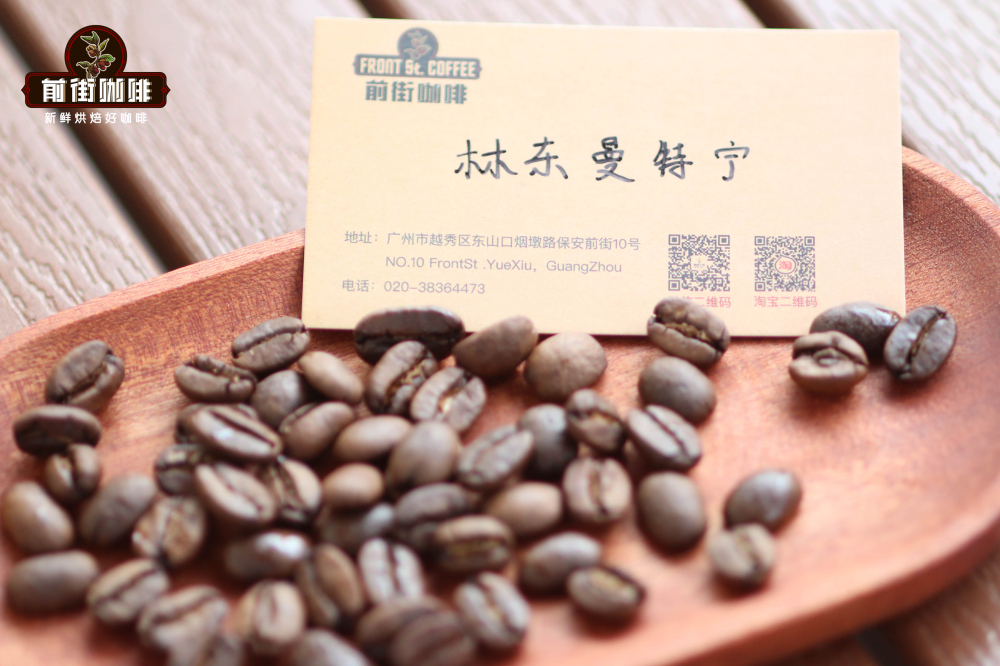
Among the common types of Mandheling, there are four varieties: Lintong Mandheling, Golden Mandheling, Tiger Mandheling, and Aged Mandheling. Each exhibits subtle flavor differences due to variations in origin, processing refinement, and aging time. For example, Lintong Mandheling is graded as G1, showcasing the basic flavor profile of the Sumatra region; Golden Mandheling undergoes three rounds of hand sorting, resulting in plump beans with low defect rates, offering a clean taste and noticeable sweetness; Tiger Mandheling emphasizes traditional Chinese herbal notes, with equally strict bean selection standards; while Aged Mandheling is matured for 2 to 3 years, with acidity becoming softer and sweetness more pronounced, making it ideal for drinkers who prefer low-acidity and mellow richness.
To successfully brew a well-balanced Mandheling using pour over, it's essential first to understand the wet-hulled processing method used. This is a special processing technique developed in Indonesia due to its high-humidity environment. Compared to traditional washed or natural processes, the wet-hulled method involves removing the outer parchment layer while the coffee beans still retain some moisture, then continuing the drying process. This method effectively reduces acidity, enhances body, and brings out rich caramel and herbal aromas—key reasons why Mandheling has such a unique flavor profile.
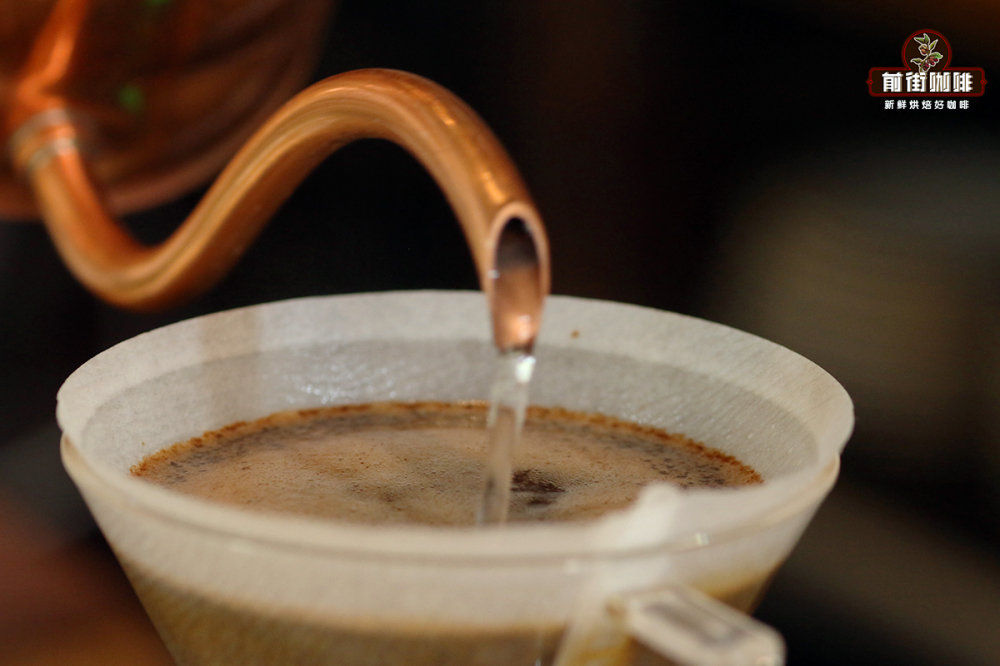
During actual pour over brewing, it’s recommended to use filters with special rib designs, such as the Kono filter. The ribs of the Kono filter are mainly distributed in the middle and lower sections, with a smooth inner wall on the upper part. This design minimizes bypass flow, allowing water to pass more evenly through the coffee grounds, which helps improve extraction stability and flavor intensity. If you prefer a cleaner taste, you can also adjust the type of filter based on personal preference.
In terms of coffee-to-water ratio, a golden ratio of 1:15 is recommended—that is, 15 grams of coffee grounds to 225 milliliters of water. This ratio highlights the rich character of Mandheling without becoming overly concentrated and causing unpleasant astringency. Some coffee lovers may try a stronger 1:13 ratio, but unless you’re aiming for extreme intensity, 1:15 is a more balanced and approachable choice.
As for grind size, it’s suggested to use a medium-coarse grind with about a 70% passing rate through a #20 sieve, similar in coarseness to white sugar. Since Mandheling is usually dark roasted, the bean structure is relatively loose. An overly fine grind can lead to over-extraction, releasing excessive bitter substances, while grinding too coarse may result in under-extraction, yielding a flat, watery flavor. A moderate grind allows hot water to penetrate evenly, extracting rich caramel, chocolate, and herbal notes.
Water temperature control is equally crucial. It’s recommended to use water at 87 to 88°C for brewing. This temperature range avoids the burnt bitterness caused by high heat while fully extracting Mandheling’s deep sweetness and body. If the water temperature exceeds 90°C, obvious burnt bitterness and astringency can easily occur; if it’s below 86°C, the coffee may taste thin and have an unpleasant acidity.
Finally, using a three-stage pouring method can effectively enhance the layered extraction and balance of flavors. Start with a 30-milliliter bloom pour to allow the coffee grounds to fully expand and release carbon dioxide, laying the foundation for subsequent flavor release. Then, the second stage involves pouring 100 milliliters to allow the water to evenly penetrate the coffee bed and extract the mid-palate sweetness and aroma. Lastly, the third stage adds another 95 milliliters, helping to extend the extraction time, enhancing the sweetness and body of the finish, and resulting in a rounder, more layered mouthfeel with lingering notes of chocolate, nuts, and subtle spices.
In summary, to brew a cup of Mandheling that is bitter without being scorched, balanced in aroma, and rich in layers, the key lies in understanding the bean’s characteristics, mastering the impact of wet-hulled processing, and finding your optimal balance among equipment, coffee-to-water ratio, grind size, water temperature, and pouring technique. With slight adjustments to these parameters, you can uncover the deeper charm of Mandheling.
The above content is compiled by CoffeeHunters, a coffee news website.


