







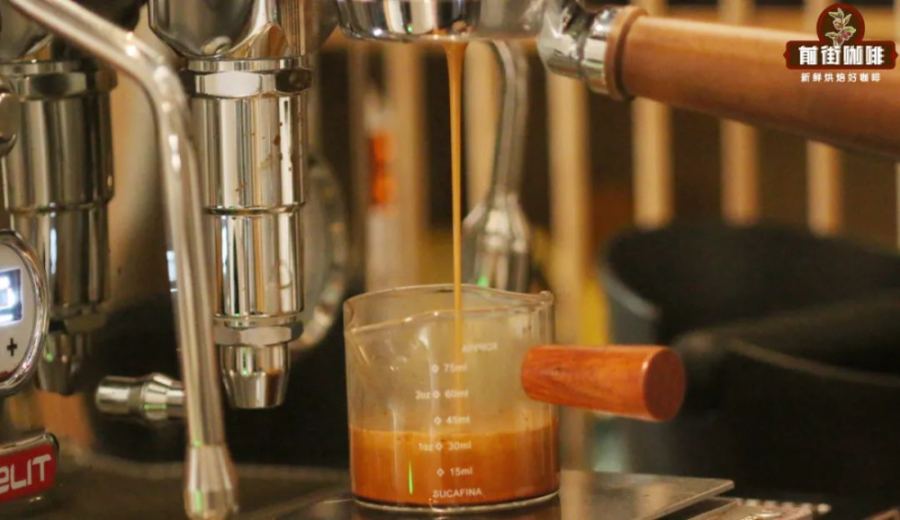
Introduction:Single Origin Espresso (SOE) has gained popularity in recent years, but what exactly sets it apart from traditional Italian-style blends? This article delves into the definition, advantages, and challenges of SOE, comparing its flavor, roasting, and extraction profiles with those of blends. We also highlight several coffee beans well-suited for SOE and answer whether you can brew SOE using the pour over method, helping you fully explore the diverse flavor expressions of specialty coffee.
SOE stands for Single Origin Espresso — coffee beans sourced from a single origin and specifically roasted for making espresso. This concept contrasts with the more familiar Italian-style blends: blends typically mix beans from different regions to achieve balanced and stable flavors, while SOE emphasizes the distinct characteristics of a single origin, offering more recognizable flavor profiles and allowing consumers to better appreciate the terroir of a specific region.
With the rise of specialty coffee trends, more and more cafés are beginning to offer SOE options on their menus. However, SOE is not a one-size-fits-all solution. While it showcases clear origin-driven flavors, it also demands higher precision in roasting profiles and extraction techniques. In contrast, blends achieve a more balanced and consistent taste by complementing the strengths of different beans. This article will explore the unique traits of SOE, how it differs from Italian-style blends, recommend several coffee varieties suitable for SOE production, and finally address a common question: Can SOE be used for pour over brewing?
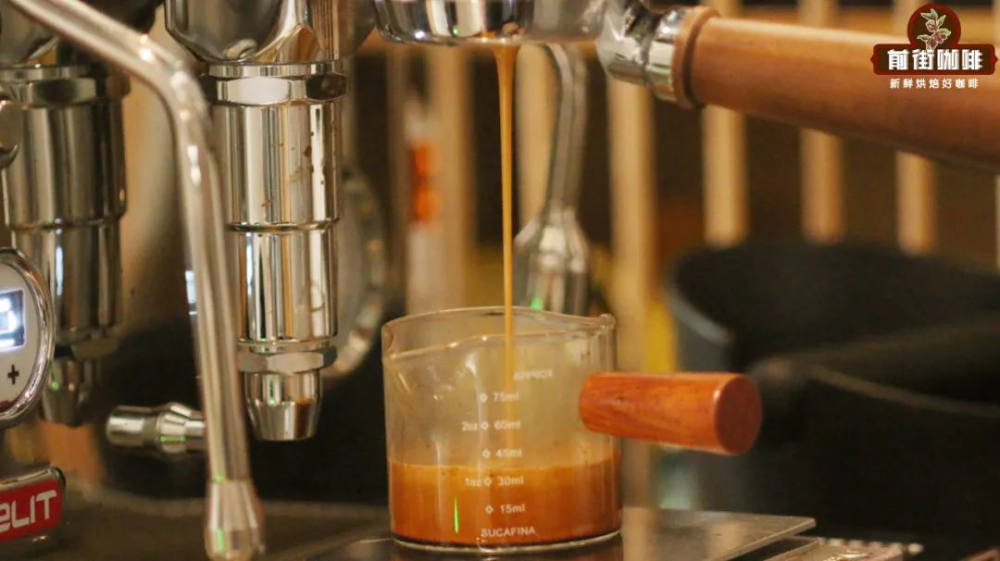
In simple terms, SOE refers to using coffee beans from a single origin to make espresso. Compared to the commonly used "Blend," SOE focuses more on highlighting the unique flavor characteristics of a particular origin, allowing the “regional identity” of the coffee to be fully expressed.
As specialty coffee has become more widespread, early on, due to inconsistencies in green bean sources and quality, single-origin beans often had their strengths and weaknesses too pronounced when brewed as espresso. As a result, the industry commonly used blends, combining multiple beans to achieve stable and harmonious flavor profiles. However, as certain origins such as Ethiopia and Colombia have demonstrated high consistency and distinctive flavor qualities, using premium single-origin beans from these regions to produce SOE has emerged as a new direction.
It’s worth noting that there is no absolute superiority between SOE and blends. With the right beans and roast profile, SOE can showcase surprisingly impressive flavor characteristics; however, if not handled properly, it may instead amplify certain flaws. Therefore, consumers should pay more attention to the bean's origin, processing method, and roast level, rather than blindly pursuing the "SOE" label.
The greatest appeal of SOE lies in its ability to clearly convey the flavor personality of its origin. By using beans from just one origin, its flavor profile is usually more concise and straightforward compared to blends, much like a pure fruit juice, directly expressing the unique character of that region. For example, Ethiopian sun-dried beans from high-altitude regions often exhibit pronounced notes of berries, florals, and citrus; whereas coffees from Central and South America may present layers of nuttiness, caramel, and chocolate.
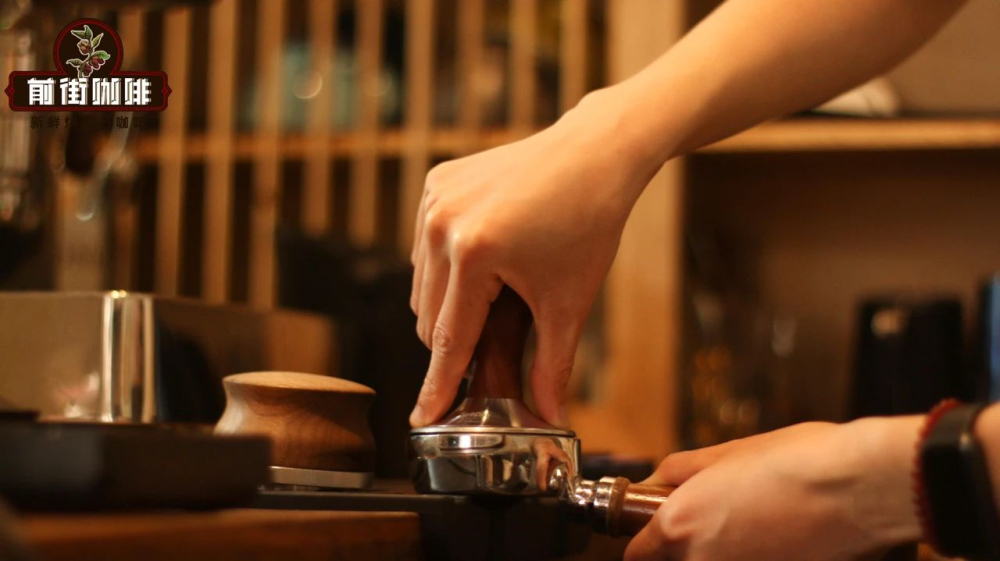
For this reason, many roasters choose beans with clear and layered flavors to produce SOE — for instance, Ethiopian Yirgacheffe processed via natural (sun-dried) methods, Kenyan beans processed via washed methods, or high-balanced Colombian beans, all of which are popular SOE choices.
However, crafting a high-quality SOE is far more complex than simply swapping out beans. Although the approach may seem as straightforward as replacing a blend with a single-origin bean, truly extracting captivating flavors requires precise control over every aspect of roasting and extraction.
In terms of roasting, to preserve the origin’s inherent flavors, SOE is generally not roasted too dark. Otherwise, the delicate regional characteristics can be overshadowed by charred or bitter notes. But if roasted too lightly, it may lead to excessive acidity, losing the richness and balance expected from espresso. As a result, roasters often aim for an medium-light to medium roast level between first and second crack, balancing flavor expression and extraction stability.
During the extraction phase, because espresso is made by forcing high-pressure water through finely ground coffee, it is extremely sensitive to the beans’ freshness, grind size, water temperature, and pressure. Additionally, since each batch of beans may exhibit slight variations in flavor from year to year, extraction parameters must be continuously fine-tuned. Particularly with SOE, the inherent characteristics of the beans — both strengths and weaknesses — are magnified in the espresso, posing a significant challenge in terms of skill and experience.
In contrast, blends, by combining the traits of multiple beans, often deliver more consistent flavor performance across different harvest seasons or roast batches, which is why they still hold a place in commercial applications.
From appearance and flavor positioning, there are several clear differences between SOE and Italian-style blend beans:
First, SOE focuses on highlighting the flavors of a single origin, making it ideal for coffee enthusiasts who enjoy exploring regional characteristics; whereas blends aim for overall balance and stability, catering to consumers seeking a consistent taste. Second, due to the higher quality requirements of SOE beans, they are often slightly more expensive than regular blends. Moreover, in terms of roast style, SOE often uses a medium-light to medium roast to retain bright fruity notes and acidity, while blends are typically roasted to a medium-dark level to create a rich, low-acid, and balanced flavor.
If you’d like to try making SOE, here are several types of coffee beans that are commonly used and perform exceptionally well in the industry:
Refreshing and Sweet Flavor Profile:Recommended: Sun-dried Ethiopian Yirgacheffe Red Cherry. Sourced from the Aletaland Estate in Ethiopia, grown at an altitude of approximately 1700–2200 meters, this is a local Heirloom variety. It undergoes high-quality sun-dried processing, offering intense notes of berries, citrus, and floral aromas, with a prominent sweetness and low defect rate — a classic choice for SOE.
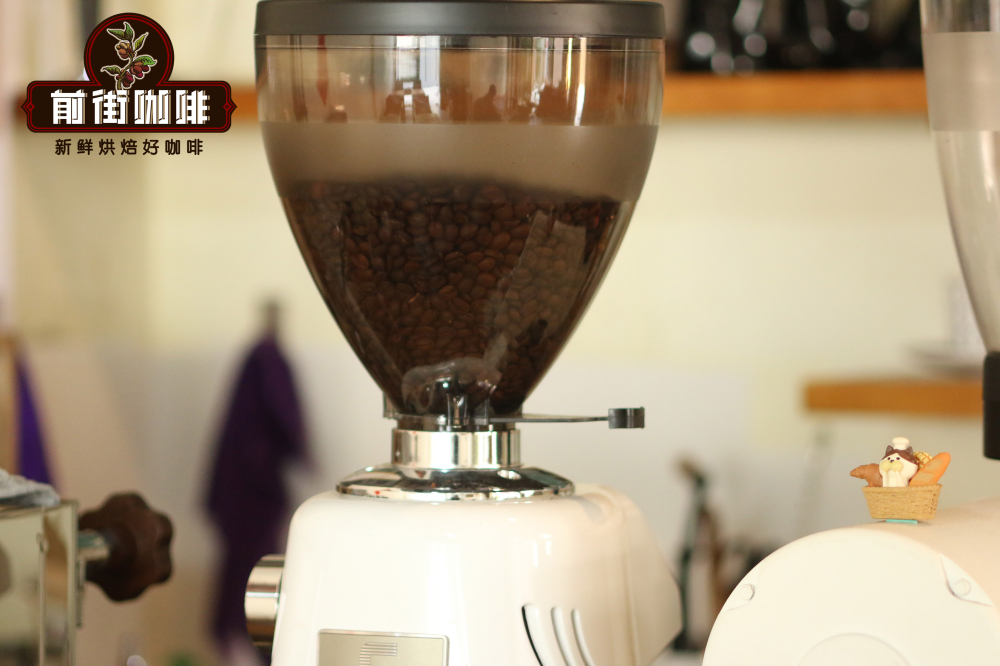
Nutty and Balanced Flavor Profile:Option: Brazilian Yellow Bourbon from Queen Estate. Grown in the Mogiana region of Brazil at altitudes of 1400–1900 meters, this Yellow Bourbon variety is semi-washed processed. Its flavor profile is dominated by nuts, caramel, and sugarcane sweetness, with a rich and stable mouthfeel — suitable for those who prefer low acidity and balanced flavors.
Full-bodied and Low-Acidity Flavor Profile:Another good option is the Golden Mandheling from Sumatra, Indonesia. Produced in the Gayo Highlands at around 1600 meters, using the Ateng variety and wet-hulled (Giling Basah) processing. After medium-dark roasting, it presents rich notes of spice, caramel, cedar, and dark chocolate, with a thick body and abundant crema — highly suitable for those who don’t favor acidic coffees.
Finally, many people wonder: Can SOE beans be used for pour over brewing? The answer is yes. Even before the rise of SOE, many specialty single-origin beans were originally intended for pour over preparation. By selecting the appropriate grind size, water temperature, and brewing technique, SOE can equally highlight the unique flavor layers and details of its origin — making it an excellent way to deeply understand coffee terroir.
For pour over brewing of SOE, it is recommended to use a medium-fine grind (similar to granulated sugar), maintain a water temperature of 90–93°C, and adjust the coffee-to-water ratio and brew time according to your brewing method (e.g., V60, AeroPress, or French press) to fully bring out its flavor potential.
The above content is compiled by CoffeeHunters, a coffee news website.


