







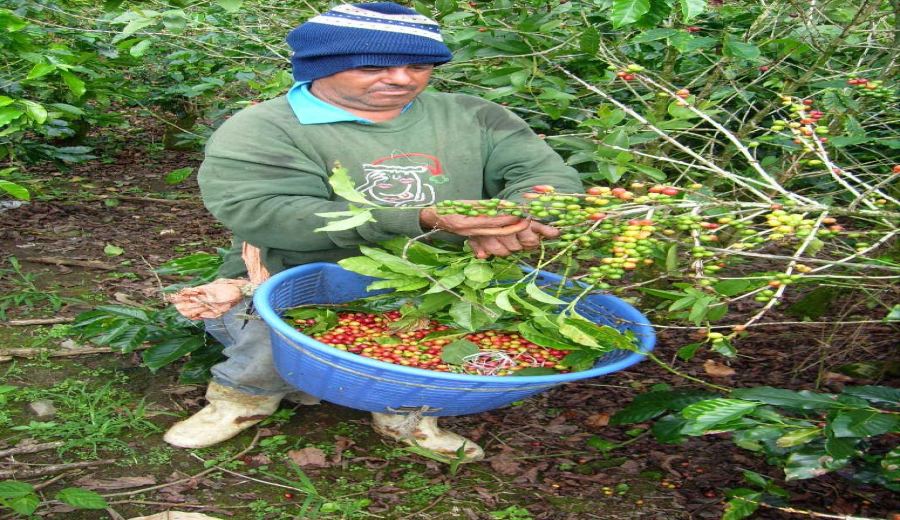
Introduction:Delve into the unique flavors and processing methods of honey-processed coffee from Costa Rica's Tarrazú region. From analyzing the differences between black honey to white honey, to exploring the actual flavor profile of the Mirasur Estate Raisin Honey Gesha Blend, this article provides a comprehensive overview of the region, an introduction to processing methods, and practical pour over parameters to help you master the brewing essentials of this highly popular specialty coffee.
Costa Rica is globally renowned for its honey-processed coffee, celebrated for its balanced acidity and sweetness, along with pronounced fermentation aromas—making it a top choice for many coffee enthusiasts. This article begins with the country’s coffee cultivation history and management systems, tracing the evolution from washed to honey processing. It also details the classification criteria for black honey, gold honey, red honey, yellow honey, and white honey, helping you understand the flavor profiles of each honey type. Taking the Mirasur Estate Raisin Honey Gesha Blend from the Tarrazú region as an example, it introduces the growing environment, variety composition, and recommended pour over parameters in depth, allowing you to more fully appreciate the charm of this specialty coffee.
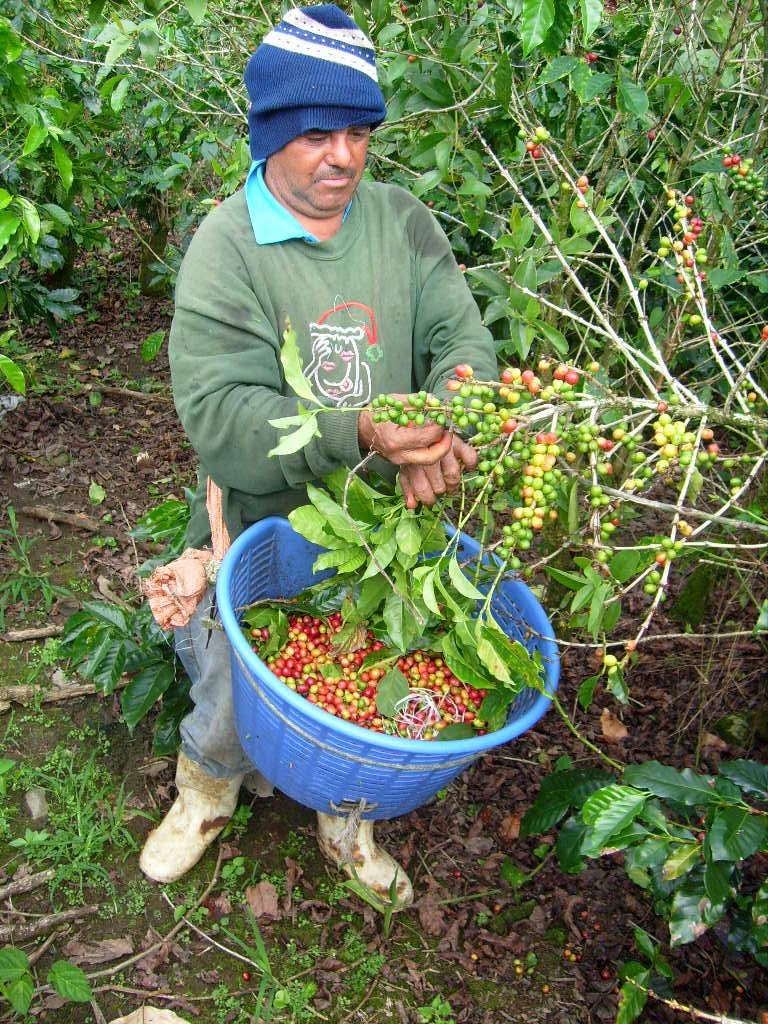
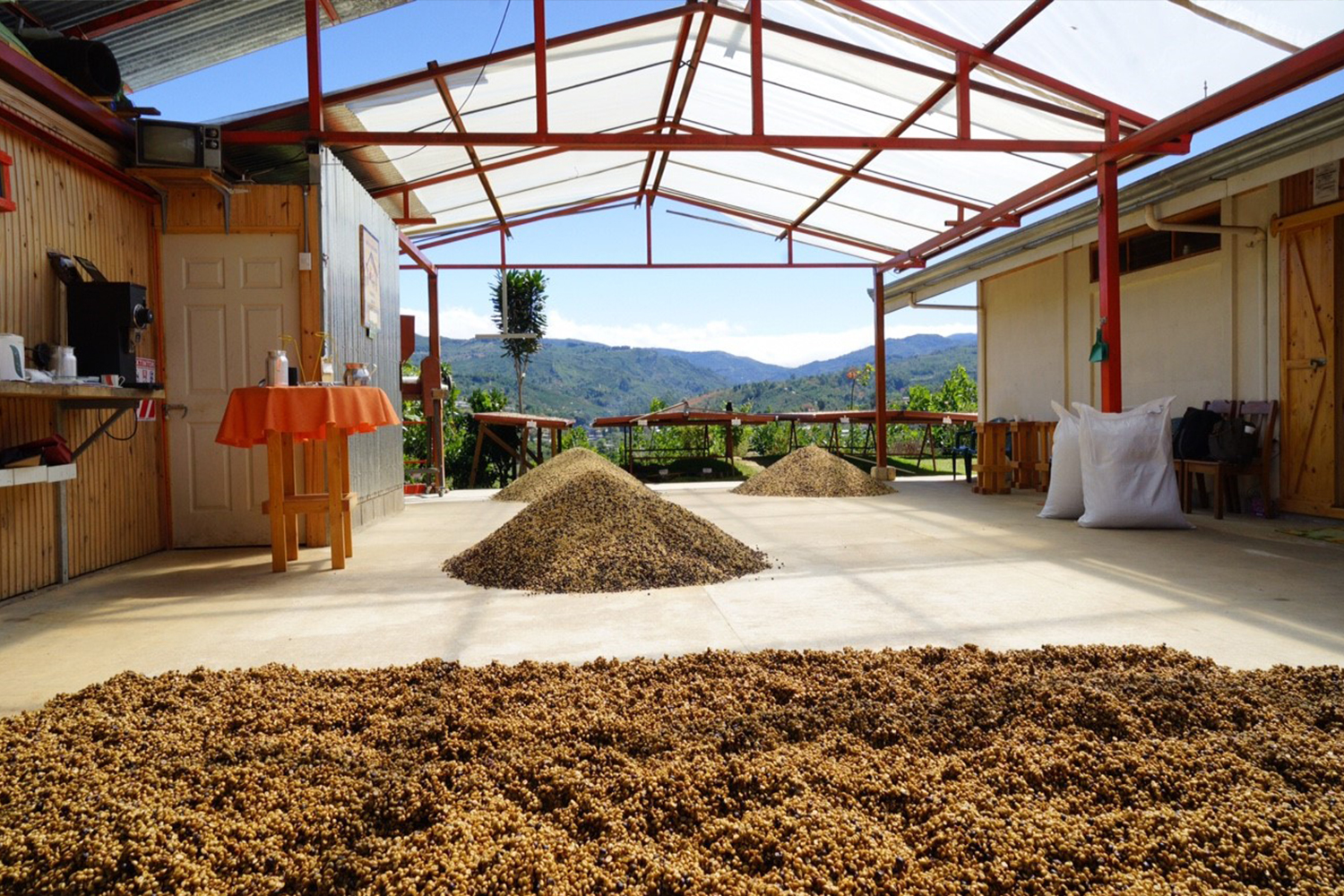
Although Costa Rica’s coffee cultivation history spans only about three hundred years, local farmers place great emphasis on quality management and have established a rigorous cultivation and processing system. As early as 1830, the country introduced the washed processing method. With advancing technology, honey processing—a middle-ground method between traditional washed and natural sun-dried processing—was gradually developed. Honey processing retains part or all of the fruit mucilage before shade-drying in ventilated conditions, typically taking 12 to 14 days. This method not only shortens the processing time but also imparts intense sweetness and unique fermentation aromas to the coffee beans due to the sugar penetration of the mucilage, forming the beloved flavor foundation of Costa Rican coffee.
The classification of black honey, gold honey, red honey, yellow honey, and white honey is primarily based on the proportion of mucilage retained and the drying method. Black honey retains the most mucilage, dries slowly and usually under full shade, resulting in intense flavors and prominent sweetness. Gold honey retains about 50% of the mucilage, with moderate drying time and conditions, offering balanced fruitiness and acidity. Red and yellow honey have progressively lower mucilage retention, with flavors shifting toward brighter and cleaner profiles. White honey, on the other hand, removes most of the mucilage, approximating the clean profile of washed processing but still retaining some characteristics of honey processing.

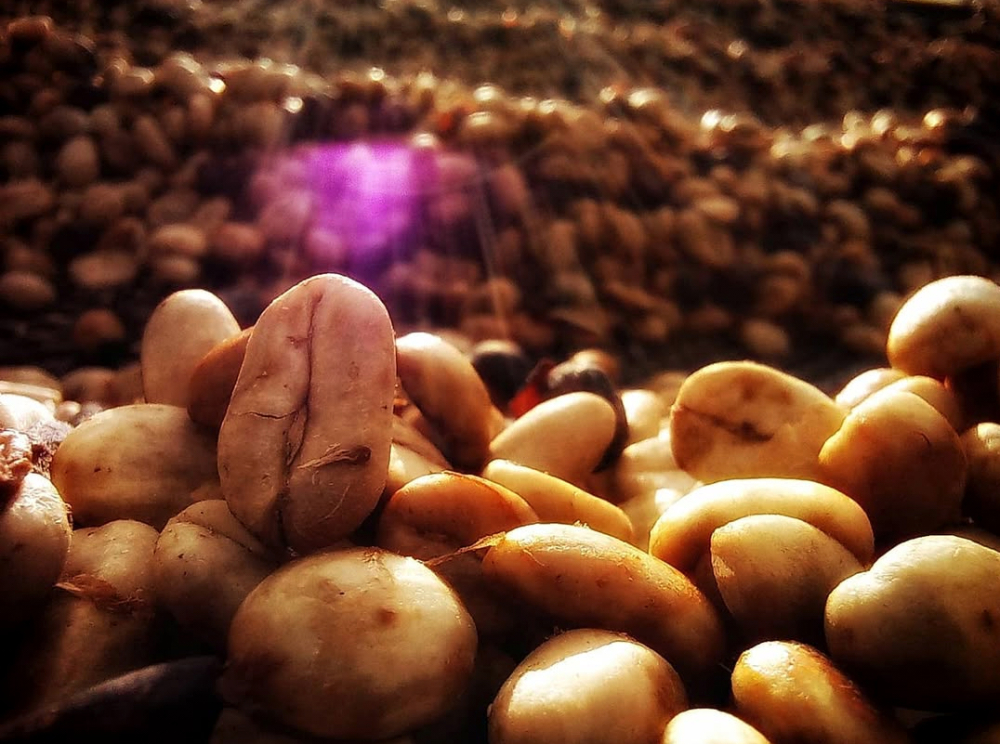
Among these, raisin honey processing is a special variation with a different workflow. First, the coffee cherries are thoroughly sun-dried until they shrivel like raisins with wrinkled surfaces. Then, the skin and pulp are removed while the mucilage remains almost entirely intact. Afterward, the beans undergo prolonged shaded drying until the moisture content drops to 11%. This technique imparts deeper sweetness and complex fruity notes, often showcasing intense berry, honey, and even dried fruit tones.
Taking the Mirasur Estate in Costa Rica’s Tarrazú region as an example, this estate sits at an altitude of approximately 1,700 meters and cultivates varieties such as Gesha, ET47, SL28, and MAICO. Using the raisin honey processing method, it produces a blend with layered flavors. Tarrazú accounts for about 35% of the country’s total coffee production and is a core region for specialty coffee. Its location in the Central Valley features distinct dry and wet seasons, fertile volcanic soil, and suitable altitudes (around 1,200–1,800 meters), creating an ideal environment for cultivating Arabica. The name “Tarrazú” originates from the ancient Guaymi Indian tribe that once settled there. The region not only boasts abundant production but is also known for its consistently high quality.
Costa Rica’s coffee grading system is also noteworthy, primarily categorized by altitude and defect rate. The higher the altitude, the greater the bean density, typically divided into SHB (Strictly Hard Bean) and HB (Hard Bean). Defect rates are divided into EP (European Preparation) and USP (U.S. Preparation), with EP requiring a lower defect ratio and representing higher quality. The Mirasur Estate coffee introduced in this article is of SHB EP grade—an upscale, high-volume bean available in the market, suitable not only for professional roasters but also an excellent choice for pour over enthusiasts.
Why can Costa Rica produce such high-quality coffee? In addition to its blessed volcanic soil and mild mountain climate, the country has actively promoted the coffee industry since the early 19th century. Today, coffee is a major economic crop and source of fiscal revenue. The Tarrazú region, with its high latitude and elevation, experiences significant day-night temperature variations that help coffee accumulate rich flavor compounds. The acidity is bright yet gentle, and the well-drained volcanic soil contributes to a structured and layered coffee character.
Returning to the Gesha blend from the Mirasur Estate, the Gesha variety itself originated in the Gesha Forest of Ethiopia in 1931, traveling through Kenya, Uganda, and Tanzania before finally being introduced to Costa Rica in 1953. This variety is extremely particular about its growing environment, requiring high altitude, cloud cover and shade, fertile soil, and ample accumulated heat. Compared to the grassy notes often found in other varieties, the grape raisin honey-processed Gesha blend showcases intense floral aromas and sweet berry tones, with rich flavor details—perfect for savoring through the pour over method.
Recommended pour over settings are as follows: Use a V60 filter, control water temperature at 90°C, use a coffee dose of 15 grams, and a brew ratio of 1:15. Grind size should be around 78% through a Chinese standard No. 20 sieve, considered a medium-fine grind. Begin brewing with a 30-second bloom using 30 grams of water, then pour in a slow circular motion until reaching 125 grams for the first pour. After a slight drop in water level, continue pouring up to 225 grams before stopping. Total brew time is approximately 2 minutes. These parameters help fully express the sweetness and aromatic layers of the honey-processed beans, while avoiding over-extraction or excessive acidity.
The above content is compiled by CoffeeHunters, a coffee news website.


